


As radar technology continues to advance across aerospace, defense, telecommunications, weather monitoring, and scientific research applications, the demand for high-performance materials has never been greater. Among the critical components used in radar systems, wave-transparent materials play a vital role in ensuring signal accuracy, transmission efficiency, and long-term operational reliability.
One material that has gained significant attention in advanced radar engineering is wave-transparent quartz fabric. Known for its exceptional dielectric properties, thermal stability, mechanical strength, and electromagnetic transparency, quartz fabric has become a preferred reinforcement material for radar radomes and electromagnetic wave transmission structures.
High performance wave-transparent quartz fabric for radar devices offers an ideal combination of durability and signal transparency, enabling next-generation radar systems to operate with outstanding precision under demanding environmental conditions.
Why Wave Transparency Matters in Radar Systems
Radar devices rely on the transmission and reception of electromagnetic waves to detect, track, and analyze objects. Any material positioned between the radar antenna and the external environment must allow signals to pass through with minimal interference.
Wave-transparent materials are specifically engineered to exhibit low dielectric constant, low dielectric loss, stable electromagnetic performance, minimal signal attenuation, and consistent transmission efficiency.
When radar signals encounter materials with unfavorable electrical characteristics, transmission quality may be reduced. Therefore, selecting a material that supports efficient electromagnetic wave propagation is essential for maximizing radar performance.
Quartz fabric has become one of the most trusted solutions because it provides excellent wave transparency while maintaining structural integrity.
Unique Properties of Quartz Fabric
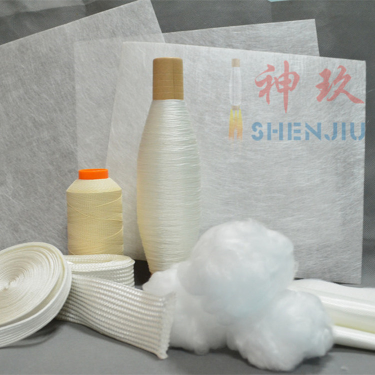
Quartz fabric is manufactured from high-purity quartz fibers that are woven into various textile structures. These fibers inherit the exceptional properties of quartz, making them suitable for demanding radar applications.
Key characteristics include excellent electromagnetic transparency, high-purity silica composition, outstanding thermal resistance, low dielectric constant, low dielectric loss factor, superior dimensional stability, high tensile strength, excellent chemical resistance, and long-term durability.
These advantages allow quartz fabric to perform consistently in environments where reliability and signal accuracy are critical.
The combination of mechanical and electrical performance makes quartz fabric an ideal reinforcement material for advanced composite structures used in radar systems.
Supporting Advanced Radome Manufacturing
A radar radome serves as a protective enclosure that shields sensitive antenna equipment while allowing electromagnetic signals to pass through efficiently.
The effectiveness of a radome depends heavily on the materials used in its construction. High performance wave-transparent quartz fabric is widely utilized as a reinforcement material in composite radome structures due to its exceptional balance of strength and transparency.
Quartz fabric helps manufacturers create radomes that offer high structural strength, lightweight construction, stable dielectric properties, environmental durability, excellent weather resistance, and long service life.
The result is a radar enclosure capable of maintaining optimal electromagnetic performance while protecting internal components from external conditions.
Exceptional Thermal Stability for Harsh Environments
Many radar systems operate in environments where temperatures can fluctuate significantly. Aerospace platforms, marine systems, ground-based installations, and high-altitude applications all require materials capable of maintaining performance across broad temperature ranges.
Quartz fabric is recognized for its remarkable thermal stability.
Its high silica content enables the material to withstand elevated temperatures while maintaining dimensional consistency and mechanical strength.
Benefits include reliable operation during thermal cycling, reduced structural deformation, consistent electromagnetic properties, enhanced system stability, and extended service life.
This thermal resilience makes quartz fabric particularly suitable for advanced radar systems deployed in challenging environments.
Lightweight Performance for Modern Radar Platforms
Weight reduction remains a key objective in aerospace, aviation, and mobile radar system design.
High performance wave-transparent quartz fabric contributes to lightweight composite structures without compromising strength or functionality.
The lightweight nature of quartz-fabric-reinforced composites offers several advantages, including improved fuel efficiency, enhanced mobility, reduced structural load, greater design flexibility, and optimized equipment performance.
For airborne radar systems, every kilogram saved contributes to improved operational efficiency and mission effectiveness.
As modern platforms increasingly prioritize lightweight engineering, quartz fabric continues to play a vital role in advanced composite development.
Enhancing Signal Accuracy and Transmission Efficiency
Radar performance depends heavily on accurate signal transmission and reception.
Materials with favorable dielectric properties help ensure that electromagnetic waves travel through protective structures with minimal distortion.
Quartz fabric supports this objective through low dielectric constant, low dielectric loss, stable frequency response, excellent electromagnetic transparency, and reduced signal interference.
These characteristics contribute to improved radar sensitivity, target detection accuracy, and overall system effectiveness.
Engineers designing sophisticated radar equipment often select quartz fabric because it helps maintain signal integrity across a wide range of operating frequencies.
Durability for Long-Term Reliability
Radar devices are often expected to operate continuously for extended periods with minimal maintenance requirements.
Material durability is therefore an important factor in system design.
Quartz fabric offers excellent resistance to moisture exposure, chemical environments, UV radiation, mechanical stress, thermal aging, and environmental fluctuations.
Its ability to maintain structural and electrical properties over time supports long-term operational reliability.
This durability reduces lifecycle costs while helping radar systems maintain consistent performance throughout their service life.
Applications Across Multiple Industries
High performance wave-transparent quartz fabric is used in a wide range of radar and electromagnetic applications.
Common industries include aerospace, defense, satellite communications, weather monitoring, air traffic control, marine navigation, scientific instrumentation, telecommunications, unmanned systems, and advanced research facilities.
In each of these sectors, quartz fabric supports the development of lightweight, durable, and high-performance composite structures capable of transmitting electromagnetic signals efficiently.
As radar technologies continue to evolve, demand for advanced wave-transparent materials is expected to grow significantly.
Manufacturing Excellence and Quality Standards
The performance of quartz fabric depends not only on the raw fibers but also on manufacturing precision and quality control.
Leading manufacturers focus on high-purity fiber production, consistent weaving techniques, precise thickness control, uniform fiber distribution, rigorous testing procedures, and material traceability.
Quality assurance throughout production helps ensure reliable performance across demanding radar applications.
Advanced manufacturing technologies also enable customization of fabric architectures to meet specific radar system requirements.
This flexibility allows engineers to optimize composite designs for different frequency ranges, structural requirements, and environmental conditions.
Future Opportunities for Quartz Fabric in Radar Technology
The future of radar technology is closely linked to advancements in materials science.
As radar systems become more sophisticated, materials must deliver even higher levels of performance, efficiency, and reliability.
Quartz fabric is well positioned to support future innovations through enhanced electromagnetic transparency, advanced composite integration, lightweight structural solutions, improved thermal management, high-frequency compatibility, and next-generation aerospace applications.
The growing adoption of advanced radar technologies across commercial, industrial, and scientific sectors will continue to drive demand for high-performance quartz fabric solutions.
High performance wave-transparent quartz fabric for radar devices represents a critical material solution for modern electromagnetic systems. Its combination of low dielectric properties, excellent wave transparency, thermal stability, mechanical strength, and environmental durability makes it an ideal choice for advanced radar applications.
From aerospace radomes and satellite communication systems to weather monitoring stations and next-generation radar technologies, quartz fabric supports reliable signal transmission while delivering exceptional structural performance.
As industries continue to seek lighter, stronger, and more efficient materials, wave-transparent quartz fabric will remain an essential component in the development of innovative radar technologies and high-performance composite structures.
Jun-10-2026