


In many high-temperature industrial applications, material performance directly influences equipment reliability, operational efficiency, and product quality. Industries such as aerospace, semiconductor manufacturing, energy systems, high-temperature processing, and advanced engineering require materials that can maintain stable performance under extreme thermal conditions.
High-purity ablation-resistant quartz fiber has become an important material solution for applications that demand excellent thermal shock resistance, high-temperature stability, and reliable insulation performance. With its unique properties, quartz fiber helps engineers develop components that can withstand rapid temperature changes while maintaining structural integrity.
For manufacturers and engineers selecting thermal protection materials, the right quartz fiber product is not only about temperature resistance. It also involves purity requirements, fiber structure, processing compatibility, and consistency during application.
Understanding the Value of High-Purity Quartz Fiber
High-purity quartz fiber is manufactured from high-quality silica materials and is designed for demanding environments where thermal stability and material reliability are essential.
The high silica content provides excellent resistance to extreme temperatures, while the fiber structure offers lightweight characteristics and effective thermal insulation performance. These advantages make quartz fiber suitable for applications where traditional materials may not meet strict performance requirements.
For users working on advanced thermal protection solutions, material selection plays an important role in achieving the desired balance between performance, weight, and durability. High-purity quartz fiber provides engineers with greater flexibility when designing systems that require reliable heat resistance.
Excellent Thermal Shock Resistance for Extreme Temperature Applications
Thermal shock resistance is one of the key characteristics of high-performance quartz fiber. In many industrial environments, materials may experience rapid temperature changes during operation. These sudden thermal variations can place significant stress on materials and affect long-term performance.
Quartz fiber is designed to maintain stability under repeated heating and cooling conditions. Its thermal properties help reduce the impact of temperature fluctuations, making it suitable for applications involving intense heat exposure and fast temperature transitions.
For industries requiring dependable thermal protection, choosing a material with strong thermal shock resistance can improve overall system reliability and support more stable operating conditions.
Ablation Resistance for Demanding Industrial Environments
Ablation resistance is another important advantage of high-quality quartz fiber. During high-temperature exposure, materials may face intense heat, thermal erosion, and energy impact. A suitable ablation-resistant material helps provide protection and maintain performance in challenging environments.
Quartz fiber is commonly used in thermal protection structures, insulation systems, and specialized high-temperature components where controlled heat resistance is required.
Engineers often consider factors such as operating temperature, exposure conditions, mechanical requirements, and installation methods when selecting quartz fiber products. Understanding these application needs helps ensure the material delivers the expected performance.
Wide Application Possibilities Across Advanced Industries
High-purity ablation-resistant quartz fiber supports a wide range of industrial applications. Its combination of thermal stability, lightweight structure, and insulation capability makes it valuable for different high-temperature environments.
In aerospace applications, quartz fiber can be used in thermal protection components and advanced composite structures that require reliable performance under extreme conditions.
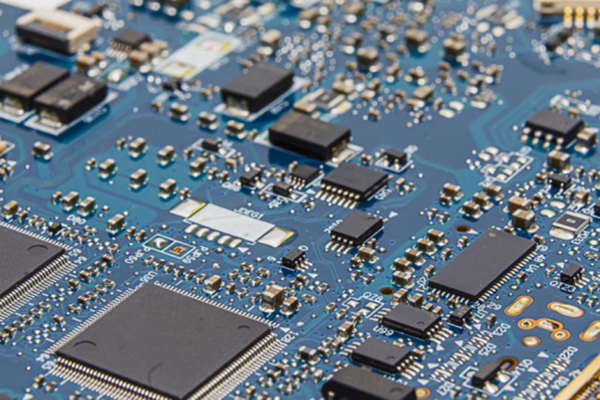
In semiconductor and electronics manufacturing, high-purity materials are important for processes where contamination control and thermal stability are critical.
In industrial furnaces, energy equipment, and specialized engineering projects, quartz fiber provides effective thermal insulation solutions that help improve equipment performance and operational safety.
Important Factors When Selecting Quartz Fiber Products
Choosing the right quartz fiber requires careful consideration of several factors. Different applications may have different requirements for purity level, fiber diameter, product form, temperature performance, and processing compatibility.
Before purchasing, engineers and manufacturers should evaluate the actual working environment, including temperature range, thermal cycling conditions, mechanical requirements, and installation method.
Product consistency is also an important consideration for industrial applications. Reliable material quality helps manufacturers maintain stable production processes and achieve predictable results in final products.
Working with an experienced quartz fiber manufacturer can help customers better understand available material options and select solutions that match their technical requirements.
SHENJIU Provides Professional Quartz Fiber Material Solutions
For companies looking for high-quality quartz fiber products, choosing an experienced supplier is an important step in ensuring material performance and application suitability.
SHENJIU specializes in quartz fiber materials and provides professional solutions for industries requiring high-temperature resistance, thermal protection, and advanced fiber products. With expertise in quartz fiber manufacturing, SHENJIU supports customers with products including quartz fiber cloth, quartz fiber yarn, quartz fiber fabric, and other customized material solutions.
Through professional manufacturing capabilities and attention to material quality, SHENJIU helps customers select suitable quartz fiber products based on different application requirements. Whether for thermal insulation systems, composite materials, or specialized industrial applications, SHENJIU focuses on providing reliable material solutions.
Improving Material Performance Through Proper Application
Even advanced materials require proper selection and application methods to achieve the best results. Engineers should consider product specifications, installation conditions, and operating environments when integrating quartz fiber into industrial systems.
A suitable quartz fiber solution can help improve thermal management, enhance component protection, and support stable performance in demanding applications.
By working with professional suppliers and understanding material characteristics, manufacturers can make better decisions during product development and production planning.
Building Reliable Solutions with Advanced Quartz Fiber Technology
As industries continue to develop toward higher performance and greater efficiency, the demand for advanced thermal protection materials continues to increase. High-purity ablation-resistant quartz fiber provides an effective solution for applications requiring thermal stability, insulation performance, and resistance to extreme conditions.
For engineers, manufacturers, and industrial users, selecting the right quartz fiber supplier is essential for achieving consistent material performance.
With professional experience and advanced quartz fiber manufacturing capabilities, SHENJIU continues to provide high-quality quartz fiber solutions that support modern industrial applications and advanced engineering development.
Aug-20-2026