


Laboratory furnaces play an essential role in scientific research, material testing, heat treatment experiments, and industrial development. Whether a laboratory is analyzing ceramic materials, conducting chemical experiments, studying advanced materials, or performing high-temperature testing, furnace performance directly affects experiment accuracy and efficiency.
One of the most important components inside a laboratory furnace is the insulation material. Good insulation helps maintain stable temperatures, reduce heat loss, improve energy efficiency, and protect surrounding equipment. High purity fine quartz wool has become a practical insulation solution for many laboratory furnace applications because of its excellent thermal stability, chemical resistance, and ability to perform in demanding high-temperature environments.
For researchers and engineers, selecting the right insulation material is not only about temperature resistance. It is also about reliability, consistency, and ensuring that experimental results remain accurate over repeated heating cycles.
High purity fine quartz wool provides a balance between lightweight structure and effective insulation performance, making it suitable for laboratories that require precise temperature control and dependable furnace operation.
Why Quartz Wool Is Important for Laboratory Furnace Insulation
Temperature stability is a key requirement in laboratory heating applications. During experiments, even small temperature fluctuations can influence material reactions, testing results, and product development processes.
Quartz wool works as an effective thermal barrier because its fine fiber structure helps reduce heat transfer. The material creates air spaces within the insulation layer, limiting heat movement and helping furnaces maintain consistent internal temperatures.
In research environments, laboratory furnaces are often used for long heating cycles. Materials may need to be heated gradually, maintained at specific temperatures, and cooled under controlled conditions. A reliable insulation material helps the furnace perform these processes more efficiently.
High purity quartz wool is especially valuable in laboratories where contamination control is important. Its clean composition helps reduce the risk of unwanted material interaction during sensitive experiments, supporting more reliable testing conditions.
Meeting Different Laboratory and Industrial Research Needs
Laboratory requirements vary depending on the application. Universities, research institutes, and industrial laboratories may use furnaces for different purposes, including material analysis, thermal testing, sample preparation, and prototype development.
For example, a materials science laboratory may use a furnace to study ceramic samples at high temperatures. Researchers need insulation that can withstand repeated heating cycles while maintaining stable performance.
In electronics and semiconductor-related research, temperature control and material purity are critical. Insulation materials must support controlled environments where experimental accuracy is highly valued.
In chemical laboratories, furnace insulation must also provide reliable performance when exposed to different experimental conditions. The insulation material should help maintain furnace efficiency while supporting safe and consistent operation.
Because of these different requirements, choosing the appropriate quartz wool specification, density, and purity level is an important step for laboratory users.
Advantages of High Purity Fine Quartz Wool in High Temperature Applications
High purity fine quartz wool offers several practical advantages for laboratory furnace insulation.
First, it provides excellent thermal stability. Quartz fibers can maintain their structural performance in high-temperature environments, making them suitable for furnaces used in demanding applications.
Second, the lightweight fiber structure makes installation and replacement more convenient. Laboratory equipment often requires insulation materials that are easy to handle while still providing effective thermal protection.
Third, quartz wool has strong chemical resistance. In many laboratory environments, insulation materials may come into contact with different gases, vapors, or experimental conditions. A stable material helps maintain long-term performance.
Another important benefit is energy efficiency. Effective insulation reduces unnecessary heat loss, allowing furnaces to reach and maintain target temperatures more efficiently. This can help laboratories improve operational efficiency during frequent heating processes.
For users managing multiple experiments, reliable insulation can also reduce maintenance requirements and improve overall equipment availability.
How to Choose Suitable Quartz Wool for Laboratory Furnaces
Selecting the right quartz wool requires understanding the specific requirements of the furnace and application.
Temperature range is one of the first factors to consider. Different laboratory processes require different operating conditions, so users should choose insulation materials that match their furnace environment.
Purity level is another important consideration. For sensitive experiments, high purity quartz wool helps maintain cleaner working conditions and reduces potential contamination concerns.
Fiber structure, thickness, and installation method should also be evaluated. Proper insulation design ensures better thermal performance and helps the furnace operate more effectively.
Working with an experienced supplier can simplify the selection process. Professional manufacturers can provide technical information, product recommendations, and customized solutions based on actual laboratory requirements.
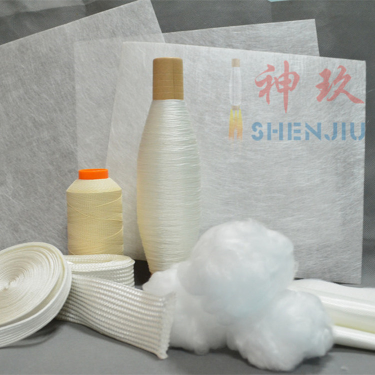
SHENJIU provides quartz fiber and quartz wool solutions for industrial and laboratory applications. With experience in high-performance quartz materials, the company supports customers looking for reliable insulation products suitable for different temperature environments.
Improving Laboratory Efficiency Through Reliable Material Selection
In scientific and industrial research, equipment performance depends on every component working together effectively. While furnace systems, temperature controllers, and testing instruments receive significant attention, insulation materials also play an important role in overall performance.
Choosing high quality quartz wool can help laboratories achieve better temperature stability, reduce heat loss, and support more consistent experimental results.
For research teams, reliable insulation means fewer interruptions and greater confidence during repeated testing. For industrial laboratories, it helps maintain production research efficiency and improve process control.
Material selection is a long-term investment. A suitable insulation solution can support laboratory operations for many heating cycles while maintaining dependable performance.
The Future Role of Quartz Wool in Advanced Heating Applications
As scientific research and advanced manufacturing continue developing, the demand for precise thermal control is increasing. Industries working with new materials, energy technologies, and advanced manufacturing processes require heating systems that can provide stable and repeatable performance.
High purity fine quartz wool will continue to be an important insulation material for laboratory furnaces because it combines thermal performance, material purity, and practical usability.
From university research projects to industrial testing facilities, reliable insulation supports innovation by helping researchers create controlled environments for discovery and development.
Selecting a professional supplier and suitable quartz wool product is an important step toward achieving efficient and dependable furnace performance.
Jul-30-2026