


High purity quartz fiber has become an essential material in advanced engineering industries due to its exceptional thermal resistance, electrical insulation, chemical stability, and lightweight characteristics. As industries such as aerospace, semiconductors, electronics, defense, and renewable energy continue to evolve, manufacturers are increasingly seeking reliable quartz fiber solutions that can meet demanding operational standards.
A professional high purity quartz fiber manufacturer plays a critical role in supplying advanced materials that support next-generation technologies. From thermal insulation systems to high-frequency electronic applications, quartz fiber is recognized for delivering long-term durability and outstanding performance under extreme conditions.
Unlike conventional industrial fibers, high purity quartz fiber is produced from refined silica materials with extremely low impurity levels. This manufacturing precision ensures stable performance in high-temperature and corrosive environments, making the material suitable for mission-critical engineering applications.
Key Features of High Purity Quartz Fiber
High purity quartz fiber offers a unique combination of properties that distinguish it from traditional fiberglass and ceramic fibers. These advantages make it highly valuable across multiple industrial sectors.
Excellent High Temperature Resistance
Quartz fiber can withstand continuous exposure to temperatures exceeding 1000°C while maintaining structural integrity. In many advanced engineering applications, thermal stability is essential for maintaining operational safety and efficiency.
Industries such as aerospace propulsion systems, industrial furnaces, and semiconductor manufacturing rely on quartz fiber materials because they can perform consistently in environments where ordinary materials would fail.
Superior Electrical Insulation
One of the most important characteristics of high purity quartz fiber is its excellent dielectric performance. The material provides stable electrical insulation even under high-frequency conditions, making it suitable for electronic substrates, communication systems, and precision instrumentation.
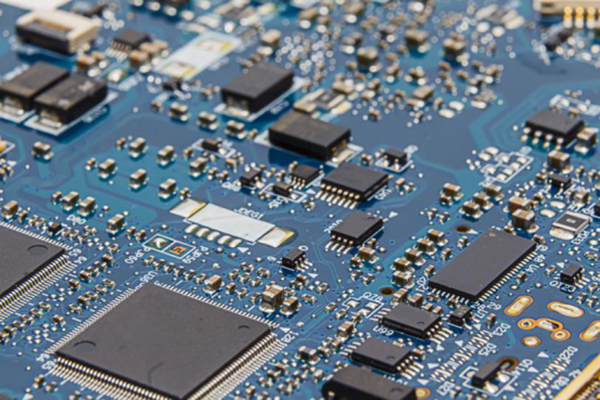
As 5G communication technologies and high-frequency electronics continue to expand globally, quartz fiber materials are increasingly used in advanced PCB manufacturing and insulation components.
Outstanding Chemical Stability
Quartz fiber demonstrates strong resistance to acids, corrosion, oxidation, and harsh chemicals. This durability extends the service life of engineering systems while reducing maintenance requirements and operational costs.
Chemical processing equipment and industrial filtration systems often incorporate quartz fiber due to its long-term reliability in aggressive environments.
Low Thermal Expansion
The low thermal expansion coefficient of quartz fiber helps maintain dimensional stability during temperature fluctuations. This characteristic is particularly important in precision engineering applications where even small deformations can affect performance.
Semiconductor equipment, optical devices, and aerospace structures benefit significantly from this property.
Manufacturing Process of High Purity Quartz Fiber
A reliable high purity quartz fiber manufacturer follows strict production procedures to ensure consistent quality and performance. The manufacturing process involves several advanced steps that directly impact the purity and mechanical properties of the final product.
Raw Material Selection
The process begins with selecting ultra-high purity silica raw materials. The quality of the silica directly influences the thermal and electrical performance of the finished quartz fiber.
Manufacturers use advanced purification technologies to remove metallic impurities and contaminants that may compromise product reliability.
High Temperature Melting
The purified silica is melted at extremely high temperatures using specialized furnaces. Precise temperature control is essential for achieving uniform fiber formation and maintaining purity standards.
Advanced manufacturing equipment helps produce fibers with consistent diameter, strength, and flexibility.
Fiber Drawing Technology
During the drawing process, molten quartz is transformed into continuous fibers. This stage requires highly controlled processing conditions to ensure optimal mechanical performance.
Modern quartz fiber manufacturers invest heavily in automated production systems to improve precision and production efficiency.
Surface Treatment and Finishing
Depending on the intended application, quartz fibers may undergo surface treatments to enhance compatibility with composite materials or improve handling performance.
Finished products are then tested for purity, tensile strength, thermal resistance, and electrical properties before shipment.
Applications of High Purity Quartz Fiber in Advanced Engineering
The versatility of high purity quartz fiber enables its use in a wide range of advanced engineering sectors.
Aerospace and Defense
Aerospace manufacturers require lightweight materials capable of surviving extreme temperatures and mechanical stress. Quartz fiber is widely used in thermal protection systems, insulation blankets, radomes, and composite reinforcement materials.
Its flame resistance and thermal stability make it ideal for aircraft engines, missile systems, and spacecraft structures.
Semiconductor Industry
Semiconductor manufacturing environments demand ultra-clean materials with exceptional heat resistance and low contamination risks.
Quartz fiber products are commonly used in wafer processing equipment, thermal insulation components, and cleanroom applications. The material’s high purity helps maintain the strict standards required for semiconductor production.
High Frequency Electronics
As electronic devices become faster and more compact, materials with low dielectric constants and excellent signal transmission performance are increasingly important.
Quartz fiber supports high-frequency PCB manufacturing, antenna systems, and communication infrastructure used in modern wireless technologies.
Industrial Thermal Insulation
Industrial equipment operating at elevated temperatures requires reliable insulation materials to improve energy efficiency and operational safety.
Quartz fiber textiles, fabrics, and insulation products are commonly used in furnaces, kilns, and high-temperature pipelines.
Renewable Energy Systems
Renewable energy technologies such as solar power systems and hydrogen energy equipment require durable materials capable of withstanding harsh operating environments.
Quartz fiber materials contribute to improved thermal management, insulation, and structural performance in advanced energy applications.
How to Choose a Reliable High Purity Quartz Fiber Manufacturer
Selecting the right manufacturer is essential for ensuring product quality and long-term engineering success.
Manufacturing Experience
Experienced manufacturers typically possess advanced technical knowledge and stable production capabilities. Companies with years of industry expertise are more likely to provide consistent product performance and customized engineering support.
Quality Control Standards
A professional manufacturer should implement strict quality management systems and comprehensive testing procedures.
Certifications related to material quality, environmental management, and industrial safety demonstrate a commitment to international manufacturing standards.
Research and Development Capability
Innovation is essential in advanced engineering industries. Manufacturers with strong R&D capabilities can develop customized quartz fiber solutions for specialized applications.
Continuous investment in production technology also improves material performance and manufacturing efficiency.
Product Customization
Different industries often require specific fiber diameters, weaving structures, thermal properties, or surface treatments.
A reliable manufacturer should be capable of providing customized products tailored to customer requirements.
Global Supply Capability
Engineering projects frequently involve international procurement and long-term supply partnerships. Manufacturers with efficient logistics systems and stable export experience can better support global customers.
Future Trends in High Purity Quartz Fiber Industry
The global demand for high purity quartz fiber is expected to grow significantly as advanced technologies continue to evolve.
Emerging industries such as electric vehicles, advanced communications, aerospace innovation, and clean energy systems are driving the need for lightweight, heat-resistant, and electrically stable materials.
Manufacturers are also focusing on sustainable production methods, improved fiber performance, and enhanced manufacturing automation. These developments will further expand the applications of quartz fiber in next-generation engineering solutions.
As industries increasingly prioritize reliability, efficiency, and material performance, high purity quartz fiber will continue to play a central role in advanced engineering innovation.
May-29-2026