


Industrial processes often operate under demanding thermal conditions. Furnaces, laboratory equipment, thermal processing systems, high temperature piping, and advanced manufacturing equipment all require insulation materials that can maintain stable performance when exposed to intense heat.
High purity quartz wool is designed for applications where thermal insulation performance and material purity are important considerations. Produced from high purity silica based materials, quartz wool has a fibrous structure that creates numerous small air spaces. These spaces help reduce heat transfer and make the material suitable for demanding insulation applications.
For engineers and purchasing teams, choosing an insulation material should begin with the actual operating environment. Temperature range, chemical exposure, installation space, mechanical requirements, material purity, and equipment design all influence the appropriate specification.
Why Quartz Wool Is Suitable for Extreme Heat Applications
High temperature insulation needs to perform reliably under demanding thermal conditions. Quartz wool offers a combination of thermal resistance, low thermal conductivity, low density, and chemical stability that can support a variety of industrial applications.
Its lightweight fibrous structure makes quartz wool practical when insulation thickness and equipment weight need to be carefully managed. The material can be used in applications where conventional insulation approaches may not provide the desired combination of thermal performance and material characteristics.
Another important feature is its high silica content. For applications that require clean and stable insulation materials, high purity quartz wool can provide an appropriate material option for thermal processing and specialized industrial environments.
Applications Across Thermal Processing Industries
Quartz wool is used in a range of industries where thermal management is an important part of equipment performance.
In laboratory environments, quartz wool can be used for high temperature insulation around furnaces, heating equipment, quartz tubes, and experimental thermal systems. Its high purity characteristics are useful when material contamination needs to be carefully controlled.
In semiconductor and advanced manufacturing environments, thermal processing equipment requires carefully selected insulation materials. Quartz wool can support insulation requirements around components exposed to elevated temperatures while maintaining a lightweight structure.
Industrial furnace applications represent another important area. Quartz wool can be incorporated into insulation systems for thermal chambers, heating zones, and related equipment where controlling heat loss is an important part of process efficiency.
The material can also be considered for specialized applications involving glass processing, high temperature chemical processes, analytical equipment, and other thermal systems.
Supporting Efficient Thermal Management
Good insulation is not simply about preventing heat from escaping. It is also about helping equipment maintain the desired temperature within a controlled thermal environment.
When heat transfer through an insulation layer is reduced, heating systems can operate within a more controlled environment. This can support process consistency and help engineers manage thermal energy more effectively.
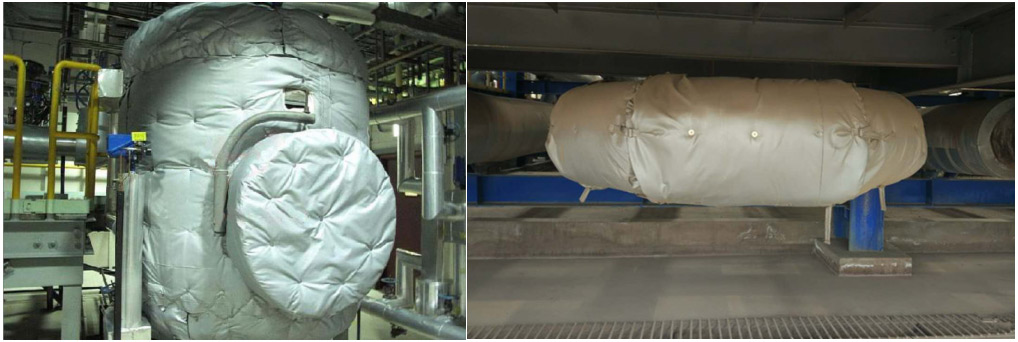
Quartz wool can be incorporated into insulation designs according to the specific thermal requirements of a system. Engineers can consider insulation thickness, density, installation configuration, operating temperature, and surrounding components when developing a suitable solution.
The correct specification should always be based on the complete operating environment rather than a single material property.
High Purity Matters in Specialized Environments
Material purity becomes particularly important when insulation is used near sensitive processes or high value components.
High purity quartz wool is manufactured with a focus on reducing unwanted impurities within the material. This characteristic can make it suitable for applications where cleanliness and material composition are important considerations.
For laboratory equipment, semiconductor related processes, optical manufacturing, and other specialized environments, engineers may need to consider whether insulation materials could introduce unwanted contamination.
When selecting quartz wool, buyers should review technical specifications and communicate the intended application clearly with the manufacturer. This allows material characteristics to be matched more appropriately with process requirements.
Lightweight Structure Helps Simplify Insulation Design
Industrial insulation can add considerable weight to equipment when large amounts of dense material are required. Quartz wool provides a lightweight alternative for applications where reducing insulation weight is beneficial.
Its fibrous structure can be formed into suitable configurations according to the requirements of the insulation system. This makes it useful for equipment where available space and overall weight need to be considered during engineering design.
Lightweight insulation can also make installation planning more manageable. Engineers can evaluate the available space and determine the appropriate material form and thickness based on the thermal requirements of the equipment.
Selecting the Right Quartz Wool Specification
There is no single quartz wool specification that fits every industrial application. The appropriate choice depends on the operating conditions and the design of the equipment.
Important factors include the working temperature, required insulation thickness, material purity, density, fiber characteristics, thermal conductivity, chemical environment, and installation method.
Buyers should also consider the dimensions and packaging requirements of the material. For manufacturers using quartz wool as part of their own production process, consistent material specifications can be important for maintaining stable product quality.
Clear communication between the engineering team and material supplier can help reduce specification errors and ensure that the selected quartz wool is appropriate for its intended use.
Choosing SHENJIU for Quartz Wool Supply
For companies sourcing high purity quartz wool, supplier expertise is an important part of the purchasing decision. Material consistency, technical communication, manufacturing experience, and the ability to understand specialized applications can all contribute to a smoother sourcing process.
SHENJIU focuses on quartz material manufacturing and supply, serving customers that require quartz based products for industrial and specialized applications. Its product experience includes quartz wool and other quartz material solutions, allowing customers to discuss their specific technical requirements with a supplier familiar with quartz based materials.
For engineering teams, this type of professional communication can be valuable when selecting material specifications. Instead of choosing a product based only on general descriptions, customers can provide information about operating temperature, insulation purpose, dimensions, purity requirements, and application environment.
SHENJIU can then support the material selection process according to the information provided, helping customers identify a quartz wool specification that is aligned with their application requirements.
Practical Considerations for Industrial Buyers
Before placing an order, purchasing teams should prepare a clear technical requirement sheet. Information such as operating temperature, application type, required dimensions, purity level, density, expected quantity, and installation method can help suppliers understand the project accurately.
It is also useful to request technical documentation for internal engineering review. Material specifications, dimensional information, applicable testing data, and product handling recommendations can support the evaluation process.
For projects involving specialized thermal equipment, communication between the material supplier, equipment manufacturer, and engineering team can help ensure that insulation materials are integrated correctly into the overall design.
Building Reliable High Temperature Insulation Solutions
High purity quartz wool can provide valuable thermal insulation characteristics for industries that operate demanding heating and thermal processing equipment. Its high silica composition, lightweight fibrous structure, thermal resistance, and material purity make it suitable for a range of specialized applications.
The most effective approach is to select the material according to the actual requirements of the equipment rather than choosing insulation based on general specifications alone.
For companies seeking a professional quartz wool supplier, SHENJIU offers quartz material expertise and application focused support. By communicating technical requirements clearly and evaluating the relevant material specifications, engineering teams can develop insulation solutions that are better aligned with their equipment and production needs.
In high temperature applications, the right insulation material can contribute to better thermal control, equipment design flexibility, and stable industrial processes. High purity quartz wool provides a practical material option for engineers and manufacturers looking for specialized insulation performance in demanding thermal environments.
Aug-24-2026