


As industries continue to demand materials capable of performing in extreme environments, high temperature resistant quartz glass wool has emerged as a reliable solution for thermal insulation applications. Known for its exceptional heat resistance, low thermal conductivity, and long-term stability, quartz glass wool is widely used in aerospace, industrial manufacturing, electronics, energy systems, and advanced engineering projects.
Unlike conventional insulation materials, quartz glass wool is produced from high-purity quartz fibers, offering superior performance under elevated temperatures. Its unique structure allows it to maintain insulation effectiveness while resisting thermal degradation, making it an ideal choice for environments where safety, efficiency, and durability are critical.
As thermal management becomes increasingly important in modern industries, quartz glass wool continues to gain attention as a high-performance insulation material capable of meeting stringent engineering requirements.
Understanding the Composition of Quartz Glass Wool
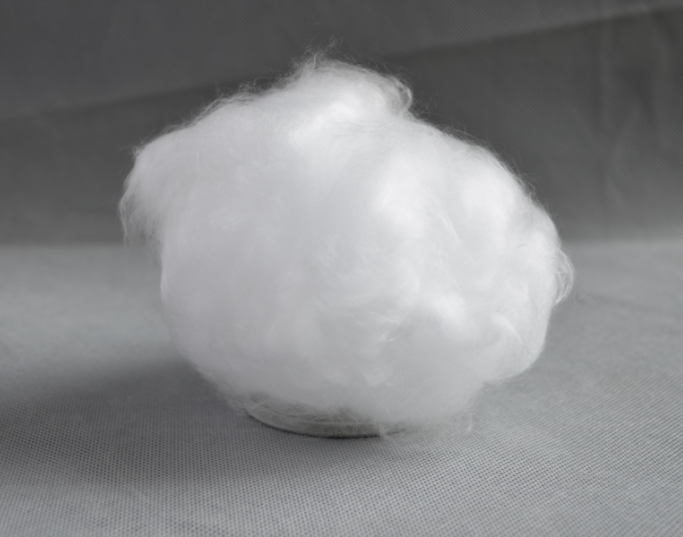
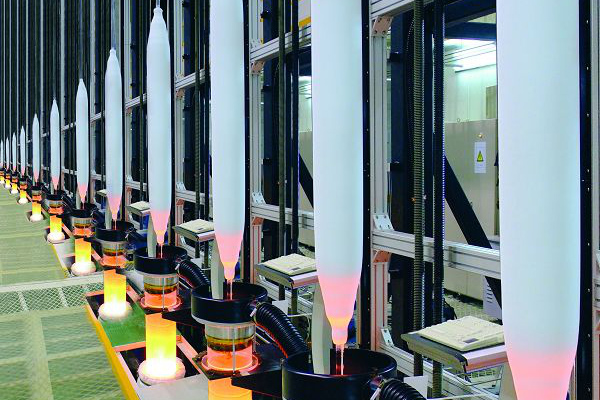
Quartz glass wool is manufactured using ultra-pure silicon dioxide (SiO₂), typically with a purity level exceeding 99.9%. Through specialized processing techniques, quartz materials are transformed into fine fibers that are then formed into lightweight wool structures.
The resulting material possesses a combination of desirable properties, including:
High thermal resistance
Low thermal conductivity
Excellent dimensional stability
Outstanding chemical resistance
Electrical insulation capabilities
Low density and lightweight construction
These characteristics allow quartz glass wool to perform effectively under conditions where traditional insulation materials may fail.
Its fibrous structure traps air within the material, significantly reducing heat transfer while maintaining flexibility and ease of installation.
Exceptional Thermal Insulation Performance
One of the most significant advantages of quartz glass wool is its remarkable thermal insulation capability.
Heat transfer occurs through conduction, convection, and radiation. Quartz glass wool minimizes all three mechanisms through its unique microstructure. The fine fibers create numerous air pockets that slow conductive heat flow, while the dense fiber network limits convective movement.
As a result, equipment and systems insulated with quartz glass wool can maintain stable operating temperatures even when exposed to extreme heat sources.
Industries requiring precise thermal control often rely on quartz glass wool to improve energy efficiency and reduce heat loss. By minimizing thermal transfer, facilities can lower energy consumption while enhancing overall system performance.
The material’s ability to retain insulating properties over long periods further contributes to its value in demanding industrial environments.
High Temperature Resistance in Extreme Environments
Quartz glass wool is specifically designed for applications involving elevated temperatures.
Unlike organic insulation materials that may burn, melt, or degrade, quartz fibers exhibit exceptional thermal stability. The material can withstand continuous exposure to high temperatures while maintaining structural integrity and insulation effectiveness.
This capability makes quartz glass wool suitable for environments such as:
Industrial furnaces
Heat treatment equipment
Power generation facilities
Semiconductor manufacturing systems
Aerospace thermal protection systems
High-temperature laboratory equipment
The ability to perform reliably under thermal stress enhances operational safety and reduces the risk of insulation failure.
For industries where temperature control directly affects product quality and process efficiency, quartz glass wool offers a dependable solution.
Chemical Stability and Corrosion Resistance
Industrial environments often expose insulation materials to chemicals, moisture, and corrosive substances.
Quartz glass wool demonstrates outstanding resistance to many chemical agents due to the inherent stability of high-purity silica. It remains unaffected by most acids, solvents, and environmental contaminants that can damage conventional insulation products.
This resistance helps maintain long-term performance even in harsh operating conditions.
In addition to chemical durability, quartz glass wool exhibits excellent aging resistance. It does not easily deteriorate over time, ensuring consistent insulation performance throughout its service life.
The combination of thermal and chemical stability reduces maintenance requirements and lowers overall lifecycle costs.
Lightweight Structure and Installation Advantages
Weight is a critical consideration in many engineering applications.
Quartz glass wool provides high insulation efficiency while maintaining a lightweight structure. This characteristic is especially valuable in industries where reducing system weight can improve performance and energy efficiency.
The flexible fiber construction allows the material to be easily cut, shaped, and installed around complex equipment geometries.
Installation advantages include:
Reduced labor requirements
Simplified handling procedures
Adaptability to various equipment designs
Improved coverage of irregular surfaces
Enhanced insulation consistency
These benefits make quartz glass wool a practical option for both new installations and retrofit projects.
Its lightweight design also contributes to transportation efficiency and lower logistical costs.
Applications Across Multiple Industries
The versatility of quartz glass wool has led to its adoption across a wide range of industries.
In aerospace applications, it is used to protect sensitive components from extreme temperatures encountered during operation. The material contributes to thermal management systems that ensure reliability and safety.
Within the electronics sector, quartz glass wool helps maintain temperature stability in advanced manufacturing equipment and semiconductor production facilities.
Industrial processing plants use quartz glass wool to insulate furnaces, kilns, reactors, and pipelines, reducing heat loss and improving energy efficiency.
Energy production facilities utilize the material in thermal insulation systems designed to optimize operational performance while minimizing energy waste.
Research laboratories and scientific institutions also rely on quartz glass wool for high-temperature experimental equipment where precise thermal control is essential.
Environmental and Energy Efficiency Benefits
Sustainability has become an increasingly important consideration in material selection.
Quartz glass wool contributes to environmental goals by improving energy efficiency and reducing heat loss across industrial systems. Better insulation performance translates directly into lower energy consumption and reduced greenhouse gas emissions.
The material’s long service life further supports sustainability objectives by minimizing replacement frequency and reducing material waste.
Additionally, quartz glass wool contains inorganic components that exhibit excellent thermal durability without requiring frequent maintenance or replacement.
Organizations seeking to improve operational efficiency while supporting environmental initiatives often view quartz glass wool as a valuable insulation solution.
Quality Considerations When Selecting Quartz Glass Wool
Choosing high-quality quartz glass wool is essential for achieving optimal performance.
Several factors should be evaluated when selecting insulation materials:
Quartz fiber purity
Thermal conductivity rating
Maximum operating temperature
Fiber diameter consistency
Mechanical strength
Density and thickness specifications
Manufacturing quality standards
Products manufactured using advanced production technologies generally provide more consistent performance and greater reliability.
Working with experienced suppliers can help ensure that the material meets the specific requirements of the intended application.
Proper material selection contributes to improved safety, efficiency, and long-term operational success.
High temperature resistant quartz glass wool has become an indispensable material for modern thermal insulation applications. Its exceptional heat resistance, low thermal conductivity, lightweight structure, and chemical stability make it suitable for some of the most demanding industrial environments.
From aerospace systems and semiconductor manufacturing to industrial processing and energy production, quartz glass wool provides reliable insulation performance that supports efficiency, safety, and sustainability.
As industries continue to seek advanced solutions for thermal management challenges, quartz glass wool remains a preferred choice for engineers and manufacturers requiring high-performance insulation materials capable of delivering long-term value.
Jun-04-2026