


In advanced aerospace systems, maintaining signal integrity while protecting sensitive equipment is a critical challenge. Radomes, the protective enclosures that shield radar and communication antennas, must balance mechanical strength with electromagnetic transparency. Aerospace quartz fabric has emerged as a transformative material in this field, offering exceptional thermal stability, low dielectric properties, and superior structural performance. Its integration into radome design is redefining what is possible in high-performance aerospace applications, enabling more reliable communication, enhanced durability, and improved operational efficiency.
Understanding the Role of Radomes in Aerospace Systems
Radomes serve as protective covers for radar and antenna systems, safeguarding them from environmental factors such as extreme temperatures, moisture, wind, and particulate impact. At the same time, they must allow electromagnetic waves to pass through with minimal attenuation or distortion.
This dual requirement makes material selection highly critical. A radome that interferes with signal transmission can compromise system accuracy, while insufficient structural integrity can lead to physical damage. Aerospace quartz fabric addresses both challenges by offering a unique combination of mechanical and electromagnetic properties.
What Is Aerospace Quartz Fabric
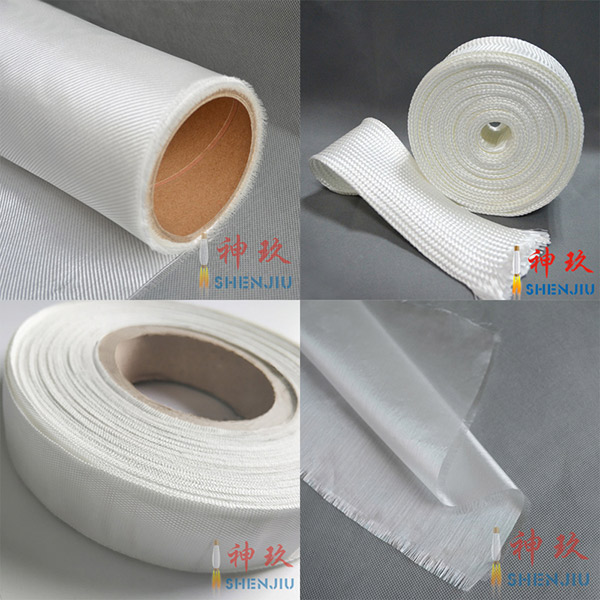
Aerospace quartz fabric is a high-performance textile made from ultra-pure quartz fibers. These fibers are derived from silica and processed to achieve exceptional purity and uniformity.
Unlike conventional glass fibers, quartz fibers exhibit lower dielectric constants and reduced signal loss, making them ideal for applications involving high-frequency electromagnetic transmission. Additionally, their high melting point and resistance to thermal shock make them suitable for extreme aerospace environments.
The fabric form allows for flexibility in composite manufacturing, enabling engineers to create complex radome structures with precision.
Electromagnetic Transparency and Signal Integrity
One of the most significant advantages of aerospace quartz fabric is its electromagnetic transparency. In radome applications, maintaining signal clarity is essential for accurate radar and communication performance.
Quartz fabric has a low dielectric constant and low loss tangent, which minimizes signal attenuation and phase distortion. This ensures that electromagnetic waves can pass through the radome with minimal interference.
As radar systems operate at increasingly higher frequencies, the demand for materials that preserve signal integrity becomes even more critical. Aerospace quartz fabric meets this requirement, supporting advanced communication and detection capabilities.
Exceptional Thermal Stability in Extreme Conditions
Aerospace environments are characterized by extreme temperature variations, from intense heat during high-speed flight to low temperatures at high altitudes. Materials used in radomes must maintain their properties under these conditions.
Quartz fibers offer outstanding thermal stability, with the ability to withstand high temperatures without degradation. They also exhibit low thermal expansion, reducing the risk of structural distortion.
This stability ensures that radomes maintain consistent performance regardless of environmental conditions, contributing to the reliability of aerospace systems.
Mechanical Strength and Structural Integrity
In addition to electromagnetic performance, radomes must be structurally robust. They are exposed to aerodynamic forces, pressure changes, and potential impact from debris.
Aerospace quartz fabric provides high tensile strength and excellent resistance to mechanical stress. When used in composite structures, it enhances the overall durability and impact resistance of the radome.
This combination of strength and lightweight characteristics is particularly valuable in aerospace applications, where weight reduction is a key design consideration.
Lightweight Advantage for Aerospace Efficiency
Weight plays a crucial role in aerospace engineering. Reducing the weight of components can improve fuel efficiency, increase payload capacity, and enhance overall performance.
Quartz fabric composites are significantly lighter than many traditional materials while maintaining high strength. This makes them an attractive option for radome construction.
By incorporating aerospace quartz fabric, engineers can achieve a balance between performance and efficiency, optimizing system design without compromising functionality.
Resistance to Environmental Degradation
Radomes are continuously exposed to environmental stressors such as UV radiation, moisture, and chemical exposure. Materials must resist degradation to ensure long-term performance.
Quartz fibers are inherently resistant to environmental factors, maintaining their properties over extended periods. This durability reduces maintenance requirements and extends the service life of radomes.
For aerospace operators, this translates into lower lifecycle costs and improved reliability.
Design Flexibility in Advanced Composites
Modern radome designs often require complex shapes to optimize aerodynamic performance and signal transmission. Aerospace quartz fabric supports this need through its compatibility with advanced composite manufacturing techniques.
It can be integrated into multilayer composite structures, allowing engineers to tailor properties such as thickness, strength, and electromagnetic performance.
This design flexibility enables the development of radomes that meet specific operational requirements, from commercial aviation to defense applications.
Supporting Next Generation Radar Technologies
As radar and communication technologies continue to evolve, the materials used in radomes must keep pace. High-frequency systems, including those used in advanced navigation and detection, demand materials with superior electromagnetic performance.
Aerospace quartz fabric is well-suited for these applications, providing the necessary properties to support next-generation technologies.
Its ability to maintain signal clarity and structural integrity under demanding conditions makes it a key enabler of innovation in aerospace systems.
Manufacturing Considerations and Quality Control
The production of aerospace quartz fabric and its integration into radome structures require precise manufacturing processes. Quality control is essential to ensure consistent performance.
Factors such as fiber alignment, resin compatibility, and curing conditions must be carefully managed. Advanced manufacturing techniques, including automated layup and controlled curing environments, are often employed.
These processes ensure that the final radome meets stringent aerospace standards for both mechanical and electromagnetic performance.
Future Outlook of Quartz Fabric in Aerospace Applications
The use of aerospace quartz fabric is expected to expand as the demand for high-performance materials continues to grow. Ongoing research is focused on improving fiber properties, enhancing composite performance, and reducing production costs.
Innovations in material science and manufacturing technology will further strengthen the role of quartz fabric in aerospace applications.
As systems become more advanced and requirements more demanding, materials like aerospace quartz fabric will play an increasingly important role in enabling reliable and efficient operation.
Aerospace quartz fabric is revolutionizing high-performance radome design by addressing the critical challenges of electromagnetic transparency, thermal stability, and structural integrity. Its unique combination of properties makes it an ideal material for modern aerospace applications.
By enabling improved signal performance, enhanced durability, and greater design flexibility, quartz fabric supports the advancement of radar and communication systems. As the aerospace industry continues to evolve, its role in high-performance radomes will only become more significant.
Apr-07-2026