


As artificial intelligence workloads continue to expand, data centers are rapidly evolving toward high density server architectures. These systems pack more processing power into smaller spaces, generating significant amounts of heat. Efficient thermal management has become a critical factor in maintaining system stability, performance, and longevity.
Traditional cooling methods such as air cooling and liquid cooling remain essential, but they are no longer sufficient on their own. Advanced materials are now playing a key role in improving heat dissipation and thermal insulation. Among these, AI quartz fabric has emerged as an innovative solution that enhances thermal management in high density servers.
Understanding AI Quartz Fabric
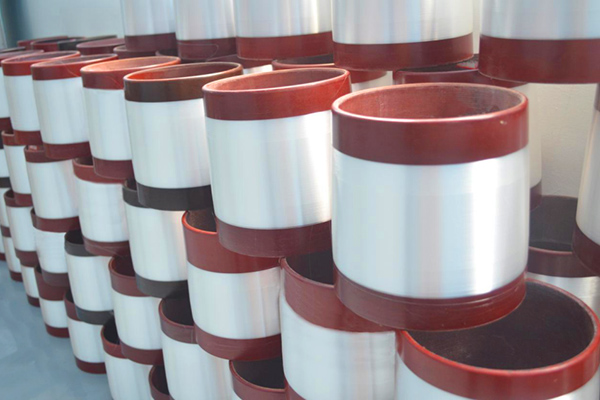
AI quartz fabric is a high performance material engineered from ultra pure quartz fibers and optimized through advanced design techniques for modern computing environments. It combines the intrinsic properties of quartz with intelligent structural configurations that improve heat control and system efficiency.
This fabric is designed to function in extreme thermal environments while maintaining stability and durability. Its unique composition allows it to serve both as a thermal barrier and as a heat management enhancer, depending on how it is integrated into server systems.
In high density servers, where temperature fluctuations can impact performance, AI quartz fabric provides a consistent and reliable solution.
Key Thermal Properties of Quartz Based Materials
Quartz based materials are widely recognized for their exceptional thermal resistance and stability. One of the most important characteristics is their ability to withstand high temperatures without degradation. This makes them suitable for continuous operation in demanding environments.
Another key property is low thermal conductivity in certain configurations, which allows quartz fabric to act as an effective thermal insulator. At the same time, engineered structures can be designed to guide heat flow in controlled ways, improving overall heat distribution.
Quartz materials also exhibit low thermal expansion, ensuring dimensional stability even under rapid temperature changes. This reduces mechanical stress on surrounding components and enhances system reliability.
These properties make quartz fabric an ideal candidate for thermal management in advanced computing systems.
Role of AI Quartz Fabric in Server Thermal Management
AI quartz fabric enhances thermal management in high density servers through multiple mechanisms.
First, it acts as a thermal barrier, protecting sensitive components from localized hotspots. By isolating heat sources, it prevents excessive temperature buildup in critical areas such as processors and memory modules.
Second, it improves heat distribution. When strategically placed, the fabric can guide heat away from high load zones and toward cooling systems. This helps maintain a balanced temperature profile across the server.
Third, it supports airflow optimization. The lightweight and flexible nature of quartz fabric allows it to be integrated into server designs without obstructing airflow. This ensures that existing cooling systems operate more efficiently.
Finally, AI optimized designs enable the material to adapt to different thermal conditions, enhancing its effectiveness in dynamic workloads.
Integration with Modern Cooling Systems
AI quartz fabric is not a replacement for traditional cooling technologies but rather a complementary solution that enhances their performance.
In air cooled systems, the fabric can be used to direct airflow and reduce heat interference between components. This leads to more efficient cooling and improved temperature control.
In liquid cooled systems, quartz fabric can serve as a protective layer that minimizes thermal stress and prevents heat leakage into surrounding areas.
It can also be integrated into heat shielding, cable insulation, and structural components within the server, providing a multi functional approach to thermal management.
By working alongside existing cooling methods, AI quartz fabric helps achieve a more efficient and reliable thermal management system.
Benefits for High Density Data Centers
The use of AI quartz fabric in high density servers offers several important benefits for data centers.
Improved thermal stability is one of the most significant advantages. By maintaining consistent temperatures, the fabric helps prevent overheating and reduces the risk of system failure.
Energy efficiency is another key benefit. Enhanced thermal management reduces the workload on cooling systems, leading to lower energy consumption and operational costs.
The material also contributes to longer equipment lifespan. By minimizing thermal stress and protecting sensitive components, it helps extend the durability of server hardware.
Additionally, its lightweight and flexible nature supports more compact and efficient server designs, which is essential for modern data center environments.
Reliability and Performance Optimization
Maintaining reliable performance in high density servers requires precise temperature control. AI quartz fabric plays a critical role in achieving this by stabilizing thermal conditions.
Consistent temperatures help ensure that processors and other components operate within their optimal ranges. This leads to improved computational performance and reduced latency.
The fabric also helps mitigate thermal cycling, which can cause wear and degradation over time. By reducing temperature fluctuations, it enhances overall system reliability.
For AI driven workloads that require continuous operation, this level of thermal optimization is particularly valuable.
Future Trends in Thermal Management Materials
As computing demands continue to grow, the role of advanced materials in thermal management will become increasingly important.
Research into quartz fiber technologies is focused on improving performance, adaptability, and integration with smart systems. AI driven design approaches are enabling more precise control over material properties and thermal behavior.
Future developments may include hybrid materials that combine quartz fibers with other advanced components to further enhance heat management capabilities.
Sustainability is also a growing focus. Efforts to develop more efficient manufacturing processes and reduce environmental impact are shaping the next generation of thermal management solutions.
AI quartz fabric is expected to remain at the forefront of these innovations.
AI quartz fabric represents a significant advancement in thermal management for high density servers. Its unique combination of thermal resistance, stability, and adaptability makes it an effective solution for addressing the challenges of modern computing environments.
By enhancing heat distribution, protecting critical components, and improving overall system efficiency, it supports the reliable operation of high performance data centers.
As technology continues to evolve, the integration of advanced materials like AI quartz fabric will play a crucial role in enabling the next generation of computing systems.
Apr-10-2026