


Filtration plays a critical role in industries ranging from environmental protection to advanced manufacturing. As systems become more sophisticated, the demand for materials that offer durability, stability, and high filtration performance continues to grow. Among the many filtration media available today, coarse quartz wool has emerged as a reliable solution due to its unique structural and chemical properties. This article explores how coarse quartz wool improves filtration efficiency, examining its material characteristics, performance advantages, and practical applications.
Understanding Coarse Quartz Wool
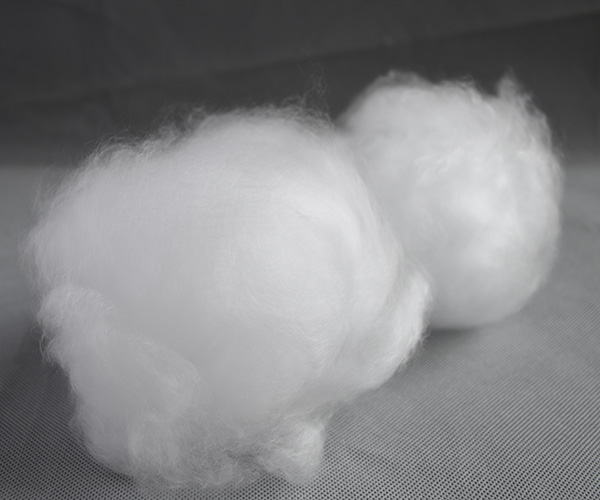
Coarse quartz wool is a fibrous material made from high-purity silica. Unlike finer fibers, coarse quartz wool features thicker filaments that create a robust and highly porous structure. This structure is essential for filtration, as it allows fluids or gases to pass through while capturing unwanted particles.
The material is known for its exceptional thermal stability, chemical resistance, and mechanical strength. These properties make it suitable for use in harsh environments where conventional filtration materials may degrade or lose effectiveness. Additionally, the inert nature of quartz ensures that it does not react with most chemicals, maintaining filtration integrity over time.
Structural Advantages for Filtration
One of the key reasons coarse quartz wool enhances filtration efficiency lies in its unique fiber arrangement. The random orientation of fibers creates a three-dimensional network with interconnected pores. This structure increases the probability of particle capture through multiple mechanisms, including interception, impaction, and diffusion.
The relatively larger fiber diameter contributes to improved airflow or fluid flow, reducing pressure drop across the filter. Lower resistance means that systems can operate more efficiently while maintaining high filtration performance. This balance between permeability and particle retention is critical in achieving optimal filtration efficiency.
High Temperature Performance
In many industrial applications, filtration systems are exposed to extreme temperatures. Coarse quartz wool excels in such conditions due to its high melting point and thermal stability. It can maintain structural integrity and filtration performance even at temperatures exceeding those tolerated by organic or polymer-based filters.
This capability ensures consistent performance in processes such as high-temperature gas filtration, metal processing, and chemical manufacturing. By preventing material degradation, coarse quartz wool reduces maintenance frequency and extends the lifespan of filtration systems.
Chemical Resistance and Purity
Filtration efficiency is not only about capturing particles but also about maintaining purity. Coarse quartz wool offers excellent resistance to acids, alkalis, and most corrosive substances. This makes it particularly valuable in environments where chemical exposure is unavoidable.
Moreover, the high purity of quartz minimizes the risk of contamination. Unlike some synthetic materials that may release impurities over time, quartz wool remains stable and clean. This characteristic is especially important in sensitive applications such as semiconductor manufacturing and laboratory filtration.
Mechanical Strength and Durability
Durability is a crucial factor in filtration performance. Coarse quartz wool provides strong mechanical stability, allowing it to withstand high flow rates and mechanical stress without collapsing or deforming. This resilience ensures that the pore structure remains consistent, which is essential for maintaining filtration efficiency.
The material’s ability to resist compression and wear also contributes to longer service life. As a result, systems using coarse quartz wool can operate for extended periods with minimal performance degradation, reducing operational costs and downtime.
Enhanced Particle Capture Mechanisms
Coarse quartz wool improves filtration efficiency through multiple particle capture mechanisms. Larger particles are typically captured through direct interception and inertial impaction, while smaller particles are trapped through diffusion and electrostatic interactions.
The multi-layered structure of quartz wool increases the likelihood of particle retention at different مستويات within the material. This depth filtration capability ensures that particles are not only captured on the surface but also within the structure, leading to higher overall efficiency and longer filter life.
Applications Across Industries
The versatility of coarse quartz wool makes it suitable for a wide range of applications. In industrial air filtration, it is used to remove dust, smoke, and other particulates from high-temperature exhaust streams. In liquid filtration, it helps purify chemicals, oils, and water by removing contaminants.
It is also widely used in laboratory settings for sample preparation and filtration processes that require high purity and reliability. In the energy sector, coarse quartz wool plays a role in filtering gases and fluids in power generation systems, contributing to improved efficiency and reduced emissions.
Environmental and Economic Benefits
Using coarse quartz wool in filtration systems offers both environmental and economic advantages. Its durability reduces the need for frequent replacement, minimizing waste and lowering material consumption. Additionally, its high efficiency helps improve system performance, leading to energy savings and reduced operational costs.
From an environmental perspective, better filtration means fewer pollutants are released into the atmosphere or water systems. This contributes to cleaner production processes and supports regulatory compliance in various industries.
Best Practices for Implementation
To maximize the benefits of coarse quartz wool, proper system design and maintenance are essential. Selecting the appropriate fiber density and thickness based on the specific application can significantly impact performance. Regular inspection and cleaning help maintain optimal filtration efficiency and extend the material’s lifespan.
It is also important to ensure compatibility with other system components, such as housings and support structures. By integrating coarse quartz wool effectively, users can achieve consistent and reliable filtration results.
Coarse quartz wool stands out as a high-performance filtration material due to its unique combination of structural, thermal, and chemical properties. Its ability to maintain efficiency under demanding conditions makes it an ideal choice for a wide range of industrial and scientific applications.
By improving particle capture, reducing pressure drop, and ensuring long-term stability, coarse quartz wool plays a vital role in enhancing filtration systems. As industries continue to prioritize efficiency and sustainability, the adoption of advanced materials like coarse quartz wool is expected to grow, driving further innovation in filtration technology.
Apr-29-2026