


As industries continue to prioritize energy efficiency and long-term operational reliability, advanced insulation materials are becoming increasingly essential. High-temperature environments, precision manufacturing systems, and energy-intensive processes all require materials that can deliver stable thermal performance over extended periods. Among these solutions, fused quartz wool stands out as a highly effective and reliable insulation material.
Understanding Fused Quartz Wool
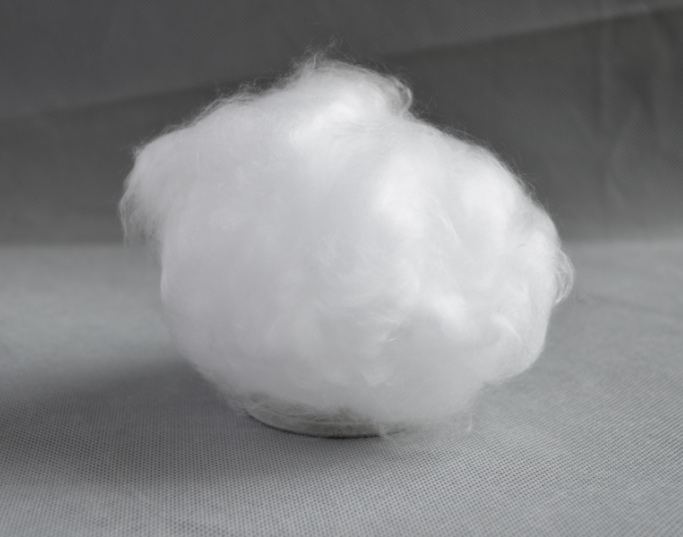
Fused quartz wool is manufactured from high-purity silica that is melted and transformed into fine, fibrous strands. These fibers are then processed into a soft, wool-like material with excellent insulation characteristics.
Its microstructure contains numerous air pockets, which significantly reduce heat transfer. Combined with its high thermal stability and chemical purity, fused quartz wool provides a dependable solution for demanding insulation applications.
This advanced material is specifically engineered to maintain consistent performance in environments where temperature control and reliability are critical.
Exceptional Thermal Insulation Performance
One of the most important advantages of fused quartz wool is its outstanding thermal insulation capability. The dense network of fine fibers traps air efficiently, minimizing heat transfer through conduction and convection.
In industrial systems such as furnaces, kilns, and reactors, this results in reduced heat loss and improved temperature stability. Maintaining consistent thermal conditions enhances process accuracy and reduces overall energy consumption.
By improving heat retention, fused quartz wool directly contributes to higher energy efficiency and optimized system performance.
High-Temperature Stability
Fused quartz wool is designed to withstand extreme temperatures while maintaining its structural integrity. It performs reliably in environments where continuous exposure to heat is a standard condition.
Even under prolonged thermal stress, the material retains its insulating properties and does not deform easily. This stability ensures that systems remain protected and efficient over time.
Such high-temperature resistance makes fused quartz wool an ideal choice for applications that demand both safety and durability.
Contribution to Energy Efficiency
Energy efficiency is a key priority in modern industrial operations, and fused quartz wool plays a significant role in achieving this objective. By reducing heat loss, it allows equipment to operate with lower energy input while maintaining optimal performance.
In power generation systems and manufacturing processes, improved insulation leads to measurable energy savings. This not only enhances operational efficiency but also supports sustainability initiatives.
The lightweight nature of fused quartz wool further contributes to efficiency by reducing the overall load on equipment and structures.
Durability and Long-Term Performance
Durability is essential for materials used in demanding industrial environments. Fused quartz wool offers excellent resistance to thermal shock, chemical exposure, and mechanical stress.
Its ability to maintain consistent performance over long periods reduces the need for frequent maintenance or replacement. This leads to lower lifecycle costs and improved operational reliability.
For industries that rely on continuous production, the long-term stability of fused quartz wool provides a valuable advantage.
Chemical Stability and Purity
Fused quartz wool is known for its high chemical purity and inert nature. It does not easily react with other substances, making it suitable for applications where material stability is critical.
This property is particularly important in sensitive environments such as electronics and semiconductor manufacturing, where contamination must be minimized.
The chemical stability of fused quartz wool ensures that it maintains its performance characteristics even under challenging conditions.
Lightweight and Flexible Design
In addition to its thermal and chemical benefits, fused quartz wool offers excellent flexibility and ease of handling. Its lightweight structure allows it to be easily shaped and installed in complex systems.
This adaptability makes it suitable for a wide range of applications, including industrial equipment, thermal protection systems, and advanced engineering components.
Ease of installation also improves operational efficiency by reducing labor time and simplifying maintenance processes.
Applications Across Industries
Fused quartz wool is widely used across multiple industries due to its versatile performance. In aerospace, it provides thermal insulation for high-temperature components. In energy systems, it enhances efficiency in turbines and reactors.
In electronics, it supports thermal management in sensitive devices. In manufacturing, it is used in furnaces and high-temperature processing equipment.
Its broad applicability highlights its role as a key material in supporting innovation and performance across industries.
Sustainability and Environmental Benefits
Sustainability is an important consideration in modern material selection. Fused quartz wool contributes to environmental goals by improving energy efficiency and reducing overall energy consumption.
Its long service life minimizes waste and supports resource efficiency. Additionally, its stable composition ensures consistent performance over time.
These benefits make fused quartz wool a responsible and forward-looking choice for industrial applications focused on sustainability.

Fused quartz wool represents a significant advancement in insulation technology, offering exceptional thermal performance, durability, and efficiency. Its ability to perform consistently in extreme conditions makes it an essential material for modern industries.
Mar-26-2026