


Thermal resistance is a critical factor in modern engineering, especially in industries where materials are exposed to extreme temperatures and demanding environments. Quartz fiber yarn has emerged as a high-performance material that significantly enhances thermal resistance while maintaining structural integrity. Known for its purity, stability, and exceptional heat tolerance, quartz fiber yarn is widely used in aerospace, electronics, insulation systems, and advanced industrial applications. This article explores how quartz fiber yarn improves thermal resistance and why it is becoming an essential material in engineering solutions.
What Is Quartz Fiber Yarn
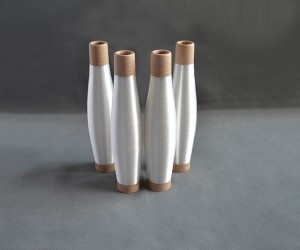
Quartz fiber yarn is produced from high-purity silica, typically exceeding 99.9 percent silicon dioxide. Through advanced processing techniques, the material is transformed into fine, continuous fibers and then spun into yarn. These fibers retain the inherent properties of quartz, including high temperature resistance, low thermal expansion, and excellent chemical stability.
Unlike conventional fibers, quartz fiber yarn maintains its structure and performance even under prolonged exposure to high temperatures, making it highly suitable for demanding engineering environments.
Key Thermal Properties of Quartz Fiber Yarn
Quartz fiber yarn offers a unique combination of thermal properties that make it ideal for high-temperature applications. It has a very high melting point, allowing it to withstand extreme heat without degradation. Its low thermal conductivity reduces heat transfer, helping to maintain temperature control in sensitive systems. Additionally, its low coefficient of thermal expansion ensures dimensional stability, even when subjected to rapid temperature changes.
These properties work together to enhance the overall thermal resistance of materials and systems in which quartz fiber yarn is incorporated.
Mechanisms Behind Improved Thermal Resistance
The effectiveness of quartz fiber yarn in improving thermal resistance lies in its molecular structure and physical characteristics. The tightly bonded silica network provides exceptional resistance to heat and thermal shock. This structure prevents deformation and maintains mechanical strength at elevated temperatures.
Furthermore, the fibrous form creates air pockets within composite materials, which act as natural insulators. These air pockets reduce heat transfer, enhancing the insulating performance of the material. When used in layered or woven structures, quartz fiber yarn further improves thermal protection by creating multiple barriers to heat flow.
Applications in Aerospace Engineering
In aerospace engineering, materials must withstand extreme temperatures, rapid thermal cycling, and harsh environmental conditions. Quartz fiber yarn is widely used in thermal protection systems, insulation blankets, and composite materials for aircraft and spacecraft.
Its ability to maintain performance at high temperatures makes it ideal for components exposed to engine heat, atmospheric re-entry conditions, and high-speed airflow. By incorporating quartz fiber yarn, engineers can improve safety, durability, and efficiency in aerospace systems.
Role in Electronics and Electrical Insulation
Electronic devices generate heat during operation, and effective thermal management is essential to ensure reliability and longevity. Quartz fiber yarn is used in insulation materials for wires, cables, and electronic components due to its excellent dielectric properties and thermal resistance.
It helps prevent overheating and protects sensitive components from thermal damage. Its stability under high temperatures ensures consistent performance in demanding electronic applications.
Use in Industrial Insulation Systems
In industrial settings such as furnaces, kilns, and power plants, materials are exposed to continuous high temperatures. Quartz fiber yarn is commonly used in insulation textiles, ropes, and protective fabrics designed for these environments.
Its resistance to heat, flame, and chemical exposure makes it a reliable choice for improving energy efficiency and maintaining safe operating conditions. By reducing heat loss, it also contributes to lower energy consumption in industrial processes.
Integration in Composite Materials
Quartz fiber yarn is often combined with resins and other materials to create high-performance composites. These composites benefit from the thermal stability and strength of quartz fibers, making them suitable for structural applications in extreme environments.
The addition of quartz fiber yarn enhances the thermal resistance of composites while maintaining lightweight properties. This is particularly valuable in industries where both strength and weight reduction are important.
Advantages Over Traditional Materials
Compared to conventional materials, quartz fiber yarn offers superior thermal resistance, chemical stability, and durability. It does not easily degrade under high temperatures and maintains its properties over time.
Its low thermal expansion reduces the risk of cracking or deformation, while its insulating characteristics improve energy efficiency. These advantages make it a preferred choice for advanced engineering applications.
Innovation and Technological Advancements
Ongoing research and development continue to improve the performance and accessibility of quartz fiber yarn. Advances in manufacturing techniques are enhancing fiber quality, consistency, and cost efficiency.
New applications are being explored in emerging fields such as renewable energy, high-performance electronics, and advanced manufacturing. These innovations are expanding the role of quartz fiber yarn in modern engineering.
Sustainability and Environmental Impact
Quartz fiber yarn contributes to sustainability by improving energy efficiency and reducing material degradation. Its long lifespan and resistance to extreme conditions reduce the need for frequent replacement, minimizing waste.
Additionally, its use in insulation systems helps conserve energy by reducing heat loss, supporting environmentally responsible engineering practices.
Future Outlook
As industries continue to demand materials that can withstand extreme conditions, the importance of quartz fiber yarn will continue to grow. Its unique combination of thermal resistance, stability, and versatility positions it as a key material in next-generation engineering solutions.
Future developments are expected to further enhance its properties and expand its applications across various industries.
Quartz fiber yarn plays a crucial role in improving thermal resistance in engineering applications. Its exceptional heat tolerance, low thermal conductivity, and structural stability make it an invaluable material for high-performance environments. By integrating quartz fiber yarn into systems and materials, engineers can achieve greater efficiency, safety, and durability. As technology advances, this material will continue to support innovation and excellence in engineering design.
Apr-30-2026