


In industries where extreme temperatures are commonplace, materials that can withstand thermal stress while maintaining structural integrity are critical. Quartz rovings, made from high-purity silica fibers, have become an essential material in high-temperature applications. Their unique combination of thermal stability, mechanical strength, and chemical resistance makes them invaluable for sectors such as aerospace, metallurgy, electronics, and glass manufacturing. By integrating quartz rovings into industrial processes, companies can improve equipment durability, process efficiency, and overall safety. Understanding how quartz rovings function and their benefits is crucial for businesses aiming to optimize performance in high-temperature environments.
Understanding Quartz Rovings
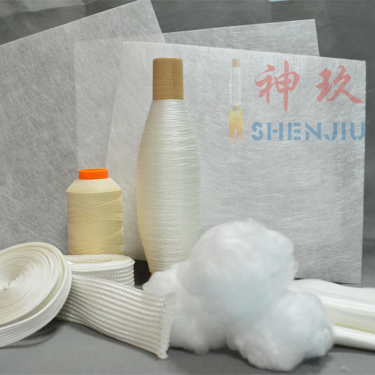
Quartz rovings are continuous bundles of silica fibers, typically exceeding 99% SiO₂ purity. Unlike loose fibers, rovings are twisted and wound into uniform threads, providing a combination of flexibility and mechanical strength. This structure allows them to be easily woven, braided, or molded into various industrial forms while maintaining high thermal and chemical resistance.
Rovings can be tailored to specific requirements, including fiber diameter, tensile strength, and surface treatments. This adaptability ensures they perform optimally in diverse high-temperature processes, whether for insulation, reinforcement, or thermal management.
Exceptional Thermal Stability
The most notable feature of quartz rovings is their ability to withstand extremely high temperatures, often exceeding 1,200°C, without significant deformation or degradation.
This property makes them ideal for applications in furnaces, kilns, heat shields, and thermal insulation systems. Maintaining structural integrity at high temperatures ensures consistent performance, reduces the risk of equipment failure, and supports operational safety in extreme industrial environments.
Mechanical Strength and Durability
Quartz rovings provide excellent mechanical strength, allowing them to reinforce composite materials or withstand mechanical stress in high-temperature processes.
Their durability extends equipment life by protecting structural components from thermal fatigue, vibration, and mechanical wear. Industries using quartz rovings benefit from reduced maintenance needs, fewer replacements, and lower operational costs, all while maintaining safety standards.
Chemical Resistance and Environmental Stability
In addition to thermal and mechanical properties, quartz rovings exhibit outstanding chemical resistance. They are largely inert to acids, alkalis, and other industrial chemicals, making them suitable for use in chemically aggressive environments.
Environmental stability ensures that quartz rovings maintain their performance under fluctuating temperatures, humidity, and chemical exposure. This reliability is essential for high-performance industries such as chemical processing, aerospace, and glass manufacturing.
Enhancing Composite Materials
Quartz rovings are often integrated into composite materials to improve thermal, mechanical, and chemical performance. When combined with resins or other binding agents, they form reinforced materials that can endure high temperatures while maintaining structural integrity.
These composites are widely used in aerospace for heat shields and engine components, in electronics for high-temperature insulation, and in industrial manufacturing for furnace linings and protective coatings. By enhancing composites, quartz rovings contribute to safer and more efficient operations.
Applications in Aerospace and Defense
In aerospace and defense, weight reduction, thermal resistance, and mechanical reliability are critical. Quartz rovings are used in high-temperature insulation blankets, engine components, and thermal protection systems.
Their ability to endure repeated thermal cycling and extreme conditions ensures aircraft and spacecraft operate safely under demanding conditions. Additionally, the lightweight nature of quartz rovings contributes to overall weight reduction, improving fuel efficiency and performance.
Applications in Metallurgy and Glass Manufacturing
Quartz rovings play a vital role in metallurgical and glass industries. In furnaces and kilns, they provide high-temperature insulation and structural support for crucibles, molds, and heat shields.
By maintaining consistent temperatures and minimizing heat loss, quartz rovings enhance energy efficiency and product quality. Their chemical resistance also ensures longevity in environments that would degrade conventional materials.
Applications in Electronics and Semiconductor Industry
High-temperature processes in electronics manufacturing, such as soldering, wafer processing, and annealing, require materials that can maintain dimensional stability and thermal resistance.
Quartz rovings are used to reinforce insulation materials and protective coatings, ensuring that sensitive electronic components remain stable during production. This enhances yield rates and reduces defects in critical manufacturing processes.
Integration into Industrial Processes
Effective use of quartz rovings requires proper integration into industrial equipment and processes. They can be woven into fabrics, braided into ropes, or molded into complex shapes, depending on the application.
Custom sizing, surface treatments, and pre-assembly techniques optimize performance, improve thermal management, and reduce installation time. Proper integration ensures that industries reap maximum benefits from the material’s properties.
Safety and Handling Considerations
Quartz rovings are generally safe to handle, but precautions are necessary to prevent fiber irritation. Personal protective equipment (PPE), such as gloves and masks, is recommended during cutting, weaving, or molding operations.
Proper training and handling guidelines reduce risks while ensuring efficient use of quartz rovings in high-temperature applications.
Environmental and Economic Benefits
Using quartz rovings contributes to both sustainability and cost-efficiency. Their high thermal efficiency reduces energy consumption, lowering operational costs and greenhouse gas emissions.
Durable materials require less frequent replacement, reducing waste and raw material use. Industries gain both environmental and economic advantages by incorporating quartz rovings into high-temperature processes.
Advances in Quartz Roving Technology
Ongoing research and innovation have led to higher purity fibers, improved tensile strength, and advanced surface coatings for better chemical resistance.
These advancements allow industries to push the limits of temperature, pressure, and chemical exposure, opening new possibilities for performance and efficiency. Modern quartz rovings enable more complex applications with improved reliability and durability.
Best Practices for Using Quartz Rovings
-
Select rovings with appropriate fiber diameter and tensile strength for the specific application.
-
Ensure proper installation, weaving, or molding to avoid gaps or stress points.
-
Monitor thermal cycling and mechanical stress to prevent premature wear.
-
Train personnel in handling and safety protocols to minimize fiber irritation.
-
Consider integrating quartz rovings with complementary insulation materials for specialized applications.

Quartz rovings are an indispensable material for industries that operate under extreme temperatures. Their unique combination of thermal stability, mechanical strength, and chemical resistance enhances equipment durability, improves process efficiency, and supports safety across high-temperature applications.
By understanding their properties, applications, and best practices, businesses can leverage quartz rovings to optimize industrial operations, reduce energy consumption, and achieve sustainable performance improvements. As technology continues to advance, quartz rovings will remain a cornerstone material for high-performance industrial environments.
Mar-19-2026