


Quartz fabric 0.04mm materials are widely used in industries that require excellent thermal resistance, dimensional stability, electrical insulation, and lightweight performance. These ultra-thin fabrics are manufactured using high-purity quartz fibers and are commonly applied in aerospace, electronics, industrial insulation, composite manufacturing, and high-temperature engineering environments.
Choosing the right quartz fabric 0.04mm material is essential for ensuring long-term performance, durability, and manufacturing efficiency. Since different applications require different technical properties, buyers and engineers should understand the key factors involved before selecting a material.
This guide explains how to evaluate quartz fabric 0.04mm materials based on fiber quality, weave structure, thermal performance, flexibility, coating compatibility, and industrial application requirements.
Understanding Quartz Fabric and Its Composition
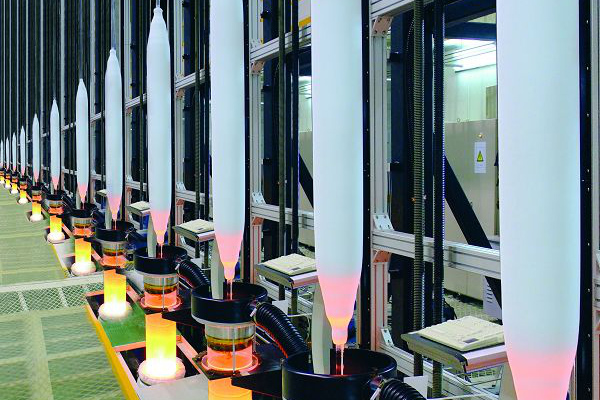
Quartz fabric is produced from continuous quartz fibers that contain extremely high silica purity. Compared with traditional fiberglass materials, quartz fabrics offer higher temperature resistance and lower dielectric properties, making them suitable for advanced technical applications.
The 0.04mm thickness category refers to ultra-thin quartz fabrics designed for lightweight precision environments. These materials are valued for their ability to provide insulation and heat resistance without adding significant weight or bulk.
Key characteristics of quartz fabric include:
- Excellent thermal stability
- Low thermal expansion
- High tensile strength
- Strong dielectric performance
- Chemical corrosion resistance
- Lightweight construction
Because of these properties, quartz fabric 0.04mm materials are often selected for specialized industrial systems and high-performance composite structures.
Evaluate the Purity of Quartz Fibers
One of the most important considerations when choosing quartz fabric is fiber purity. High-purity quartz fibers typically contain more than 99 percent silica, which contributes to thermal resistance and electrical insulation performance.
Higher purity materials generally provide:
- Better high-temperature resistance
- Improved dimensional stability
- Lower dielectric constant
- Enhanced chemical resistance
- Greater long-term reliability
When evaluating suppliers, reviewing technical specifications and material certification documents can help verify quartz fiber purity standards.
Applications in aerospace electronics and advanced manufacturing often require consistent purity levels to maintain stable operational performance.
Consider the Weave Structure
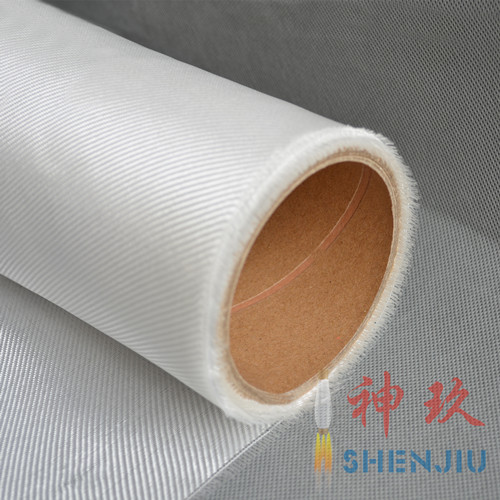
The weave pattern of quartz fabric directly affects flexibility, strength, drapability, and surface smoothness.
Common weave styles include:
Plain Weave
Plain weave quartz fabric provides balanced strength and stability. It is widely used for insulation layers and composite reinforcement applications.
Advantages include:
- Uniform surface texture
- Good dimensional stability
- Easy handling during fabrication
Satin Weave
Satin weave fabrics offer greater flexibility and smoother surfaces. They are commonly used in precision composite applications where improved conformability is required.
Benefits include:
- Enhanced drapability
- Reduced fiber crimp
- Better surface finish
Twill Weave
Twill weave structures provide a balance between flexibility and strength, making them suitable for complex molding environments.
Selecting the appropriate weave depends on the intended industrial application and manufacturing process.
Analyze Thermal Resistance Requirements
Quartz fabric is primarily chosen for its high-temperature capabilities. However, thermal performance requirements vary significantly depending on operating environments.
When selecting 0.04mm quartz fabric materials, consider:
- Continuous operating temperature
- Peak exposure temperature
- Thermal cycling conditions
- Flame resistance requirements
- Heat transfer performance
High-quality quartz fabrics can withstand extreme temperatures while maintaining structural stability and insulation performance.
Applications involving aerospace insulation, thermal shielding, and industrial furnace systems often require advanced thermal durability.
Evaluate Mechanical Strength and Flexibility
Although quartz fabric 0.04mm materials are extremely thin, they must still provide adequate mechanical strength for handling and processing.
Important factors include:
- Tensile strength
- Tear resistance
- Flexibility during molding
- Resistance to fiber breakage
- Surface integrity
Ultra-thin materials should remain stable during cutting, lamination, and composite manufacturing operations.
A good balance between flexibility and strength improves manufacturing efficiency and reduces material waste during production.
Consider Electrical Insulation Properties
Quartz fabric is widely used in applications that require high electrical insulation performance. The material’s low dielectric constant and low dielectric loss make it suitable for advanced electronics and communication systems.
Electrical performance factors include:
- Dielectric constant
- Dielectric strength
- Signal transmission compatibility
- Electrical stability under heat exposure
High-frequency electronic systems often benefit from the superior insulation characteristics of quartz-based materials.
Consistent electrical properties are especially important in precision engineering and aerospace applications.
Check Surface Finish and Uniformity
Surface quality plays an important role in composite manufacturing and precision lamination processes.
When evaluating quartz fabric 0.04mm materials, inspect:
- Fiber uniformity
- Surface smoothness
- Thickness consistency
- Absence of contamination
- Edge quality
Uniform fabric construction helps improve resin distribution, bonding performance, and final product quality.
In high-performance manufacturing environments, consistent surface properties contribute to more reliable production results.
Compatibility With Resin Systems and Coatings
Many quartz fabrics are combined with resin systems, protective coatings, or adhesive layers during manufacturing.
It is important to verify compatibility with:
- Epoxy resins
- Silicone coatings
- Polyimide systems
- High-temperature adhesives
- Composite prepreg processes
Good compatibility improves bonding performance and enhances the durability of the finished product.
Manufacturers should also consider curing temperatures and processing conditions when selecting materials.
Assess Environmental and Chemical Resistance
Quartz fabric materials are frequently exposed to demanding industrial environments. Chemical resistance and environmental stability are important for long-term performance.
Key considerations include:
- Moisture resistance
- Chemical exposure tolerance
- Oxidation resistance
- UV stability
- Corrosion resistance
Choosing materials with strong environmental durability can help extend operational lifespan and reduce maintenance requirements.
Industrial applications involving outdoor exposure or harsh processing environments particularly benefit from these properties.
Review Supplier Technical Support and Quality Standards
Selecting a reliable supplier is an important part of choosing quartz fabric materials.
A professional supplier should provide:
- Detailed technical datasheets
- Material testing reports
- Consistent manufacturing quality
- Customization capabilities
- Technical consultation support
Quality assurance systems and traceable manufacturing standards help ensure product consistency across different production batches.
Working with experienced material suppliers also improves communication during product development and industrial integration.
Common Applications of Quartz Fabric 0.04mm Materials
Quartz fabric 0.04mm materials are used across multiple advanced industries.
Typical applications include:
- Aerospace thermal insulation
- Electronic circuit insulation
- Composite reinforcement layers
- Industrial heat shielding
- High-temperature protective barriers
- Precision manufacturing systems
Their lightweight structure and high thermal performance make them valuable in applications requiring both efficiency and reliability.
Choosing the right quartz fabric 0.04mm materials requires careful evaluation of fiber purity, weave structure, thermal resistance, mechanical strength, electrical insulation, and manufacturing compatibility. Since these ultra-thin materials are often used in demanding technical environments, selecting the appropriate specifications is essential for achieving reliable long-term performance.
By understanding application requirements and reviewing supplier quality standards, manufacturers and engineers can identify quartz fabric materials that provide durability, efficiency, and consistent operational stability. As advanced industries continue to demand lightweight and high-temperature materials, quartz fabric 0.04mm products remain an important solution for modern engineering and industrial applications.
May-25-2026