


Quartz glass wool has become an important material across many industrial sectors because of its outstanding thermal resistance, insulation performance, chemical stability, and lightweight structure. Industries such as aerospace, electronics, metallurgy, energy, automotive manufacturing, and high-temperature processing increasingly rely on quartz glass wool to improve operational efficiency and material reliability.
Choosing the right quartz glass wool for industrial applications requires understanding several technical factors, including temperature resistance, fiber purity, density, insulation capability, and processing compatibility. Selecting suitable materials helps manufacturers achieve better long-term performance, production stability, and energy efficiency.
Understanding Quartz Glass Wool and Its Industrial Value
Quartz glass wool is produced from high-purity quartz materials processed into lightweight fibrous structures. The material is widely valued for its ability to withstand extremely high temperatures while maintaining stable insulation properties.
Compared with many traditional insulation materials, quartz glass wool offers:
- Excellent thermal insulation
- High temperature resistance
- Low thermal conductivity
- Strong chemical stability
- Lightweight performance
- Electrical insulation capability
- Long service life
These properties make quartz glass wool suitable for industrial environments that require stable operation under demanding conditions.
Evaluate Temperature Resistance Requirements
One of the first factors to consider when selecting quartz glass wool is operating temperature. Different industrial environments expose materials to varying thermal conditions, so temperature compatibility is essential.
For applications involving furnaces, aerospace components, industrial kilns, or high-temperature pipelines, choosing quartz glass wool with reliable heat resistance ensures long-term stability and safety.
High-quality quartz glass wool can maintain structural integrity and insulation performance even under continuous high-temperature exposure. Manufacturers should carefully review the product’s maximum operating temperature and thermal performance specifications before selection.
Industries that experience rapid temperature fluctuations should also prioritize materials with strong thermal shock resistance.
Consider Purity and Material Quality
The purity of quartz raw materials directly affects the overall performance of quartz glass wool. High-purity quartz fibers provide improved thermal stability, lower impurity levels, and more consistent insulation performance.
Industrial users should look for materials with controlled production standards and reliable quality consistency. Uniform fiber distribution and stable fiber diameter can improve both insulation efficiency and processing performance.
High-quality quartz glass wool also contributes to cleaner manufacturing environments, especially in industries that require precise thermal management and stable material properties.
Analyze Thermal Insulation Performance
Thermal insulation capability is one of the most important performance indicators for quartz glass wool. Materials with lower thermal conductivity provide more effective heat control and energy efficiency.
When evaluating insulation performance, manufacturers should consider:
- Operating temperature range
- Heat retention requirements
- Equipment energy efficiency goals
- Environmental conditions
- Thickness and density requirements
Selecting the proper insulation structure helps reduce energy loss and improve industrial system performance.
In high-temperature manufacturing environments, efficient insulation materials can also help stabilize production conditions and improve process consistency.
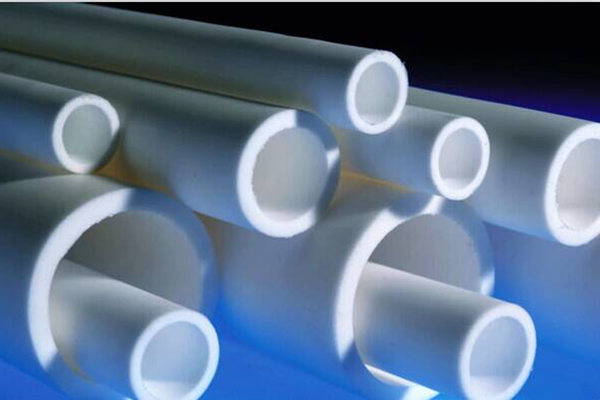
Select the Appropriate Density and Thickness
Quartz glass wool is available in different densities and thicknesses to meet various industrial needs. Higher-density materials generally provide stronger structural stability and enhanced insulation performance, while lower-density products may offer lighter weight and greater flexibility.
The ideal density depends on the application environment and installation requirements.
For example:
| Industrial Application | Recommended Material Focus |
|---|---|
| High-temperature furnaces | High-density insulation |
| Aerospace systems | Lightweight thermal protection |
| Industrial pipelines | Flexible insulation layers |
| Electronic equipment | Stable electrical insulation |
| Energy systems | Efficient heat retention |
Choosing the correct thickness also plays an important role in balancing thermal efficiency, installation space, and material cost.
Evaluate Chemical Stability and Durability
Industrial environments often expose insulation materials to chemicals, moisture, oxidation, and continuous thermal stress. Quartz glass wool with strong chemical stability helps maintain long-term performance under these demanding conditions.
Durable insulation materials contribute to:
- Longer service life
- Reduced maintenance frequency
- Stable thermal performance
- Improved production reliability
Industries with corrosive environments or complex manufacturing conditions should prioritize quartz glass wool products with proven chemical resistance and structural durability.
Consider Processing and Installation Requirements
Different industries require different material handling and installation methods. Some applications require flexible insulation materials for complex equipment shapes, while others prioritize rigid structural support.
Before choosing quartz glass wool, manufacturers should evaluate:
- Cutting and shaping compatibility
- Installation efficiency
- Compression resistance
- Flexibility requirements
- Integration with existing systems
Materials that are easier to process and install can help improve production efficiency and reduce operational downtime.
Importance of Reliable Manufacturing Standards
Choosing quartz glass wool from experienced manufacturers helps ensure stable product quality and consistent technical performance. Reliable suppliers typically provide detailed technical specifications, testing standards, and application support for industrial customers.
Manufacturing consistency is especially important for industries with strict thermal management and material reliability requirements.
Professional material suppliers may also offer customized solutions based on:
- Temperature requirements
- Industrial operating conditions
- Mechanical performance targets
- Product dimensions
- Application-specific insulation needs
Working with technically experienced suppliers helps improve long-term operational confidence.
Future Trends in Quartz Glass Wool Applications
As industries continue to prioritize energy efficiency, lightweight materials, and advanced thermal management, demand for high-performance quartz glass wool is expected to grow steadily.
Emerging applications include:
- Advanced aerospace systems
- Semiconductor manufacturing
- Renewable energy equipment
- Electric vehicle thermal systems
- High-speed electronics
- Industrial energy-saving technologies
Continuous improvements in quartz fiber processing and insulation technology are helping expand the role of quartz glass wool in modern industrial manufacturing.
Choosing the right quartz glass wool for industrial needs involves more than selecting a standard insulation material. Temperature resistance, purity, thermal conductivity, density, durability, and processing compatibility all play important roles in determining long-term industrial performance.
High-quality quartz glass wool helps improve thermal efficiency, operational stability, and equipment reliability across a wide range of industries. By carefully evaluating technical requirements and working with reliable material suppliers, manufacturers can select insulation solutions that support efficient and stable industrial operations for years to come.
May-09-2026