


Selecting the right industrial fabric is a critical step in ensuring product quality, durability, and long-term performance. Among advanced technical materials, M9 fabric has become increasingly popular in industries that require high strength, thermal stability, insulation performance, and dimensional consistency. From aerospace applications to electronic insulation and industrial manufacturing, M9 fabric offers a versatile solution for demanding environments.
However, choosing the right M9 fabric for a specific project requires a detailed understanding of material specifications, application conditions, environmental requirements, and manufacturing goals. Different projects demand different fabric characteristics, and selecting the appropriate grade or structure can significantly improve efficiency and reliability.
This guide explains the essential factors to consider when choosing M9 fabric for industrial and technical applications.
Understanding What M9 Fabric Is
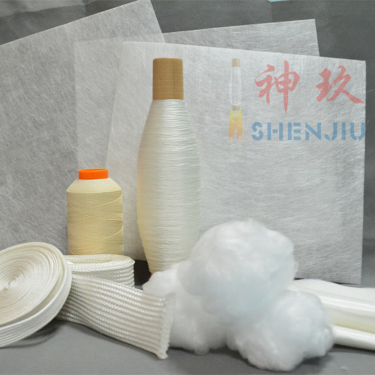
M9 fabric is a high-performance technical fabric commonly used in industrial environments requiring heat resistance, electrical insulation, and mechanical durability. It is often manufactured using advanced fibers designed to maintain structural integrity under harsh operating conditions.
The material is widely used in industries such as:
- Electronics manufacturing
- Aerospace engineering
- Thermal insulation systems
- Industrial filtration
- Composite reinforcement
- High-temperature protection
Because of its balanced performance characteristics, M9 fabric is often selected for applications where traditional fabrics may fail due to heat, stress, or chemical exposure.
Evaluate the Temperature Requirements of Your Project
One of the most important considerations when selecting M9 fabric is the operating temperature of the application. Different grades and weaving structures may offer varying levels of thermal resistance.
Projects involving high-temperature environments require fabrics capable of maintaining strength and stability during prolonged heat exposure. Examples include:
- Industrial furnaces
- Heat shields
- Thermal insulation barriers
- Electronic manufacturing equipment
- Aerospace components
When reviewing material specifications, pay attention to:
- Continuous operating temperature
- Maximum exposure temperature
- Thermal expansion properties
- Heat aging resistance
Selecting a fabric that exceeds the project’s thermal requirements helps ensure long-term reliability and safety.
Consider Mechanical Strength and Durability
Mechanical performance is another key factor in choosing the right M9 fabric. Projects involving vibration, pressure, abrasion, or repeated mechanical stress require fabrics with strong tensile and structural properties.
Important mechanical characteristics include:
- Tensile strength
- Tear resistance
- Flexibility
- Dimensional stability
- Abrasion resistance
For structural reinforcement applications, higher mechanical strength may improve the lifespan and reliability of the final product.
Durability is especially important in industrial settings where materials are exposed to continuous operation or harsh environmental conditions.
Analyze Electrical Insulation Requirements
M9 fabric is often used in electrical insulation applications due to its stable dielectric properties and resistance to heat.
Industries such as electronics and electrical equipment manufacturing rely on insulation materials that maintain performance under fluctuating temperatures and voltage conditions.
When evaluating insulation performance, consider:
- Dielectric strength
- Insulation resistance
- Arc resistance
- Electrical stability at high temperatures
Proper electrical insulation selection helps improve safety, reduce energy loss, and protect sensitive components from failure.
Choose the Appropriate Fabric Thickness and Weight
Fabric thickness and weight directly influence flexibility, handling, insulation performance, and structural support.
Thicker fabrics may provide:
- Better thermal insulation
- Higher mechanical protection
- Increased durability
Lighter fabrics may offer:
- Easier installation
- Greater flexibility
- Reduced overall system weight
The optimal choice depends on the project’s design requirements and operating environment.
For example, aerospace applications often prioritize lightweight materials, while industrial insulation systems may require thicker and more durable fabrics.
Understand the Importance of Weave Structure
The weave pattern of M9 fabric can affect strength, flexibility, surface texture, and performance characteristics.
Common weave structures may include:
- Plain weave
- Twill weave
- Satin weave
Each structure offers different advantages depending on the application.
Plain weave fabrics generally provide:
- Balanced strength
- Good dimensional stability
- Uniform surface characteristics
Twill and satin weaves may improve flexibility or drapability for specialized manufacturing processes.
Choosing the correct weave structure helps optimize both performance and processing efficiency.
Evaluate Chemical Resistance for Harsh Environments
Some industrial projects expose materials to oils, solvents, moisture, or corrosive chemicals. In these cases, chemical resistance becomes a major factor when selecting M9 fabric.
Chemical-resistant fabrics help maintain:
- Structural integrity
- Insulation performance
- Long-term reliability
- Surface stability
Industries such as chemical processing, automotive manufacturing, and heavy industrial production often require fabrics capable of withstanding aggressive operating conditions.
Reviewing compatibility with specific chemicals used in the project environment is highly recommended.
Consider Dimensional Stability During Manufacturing
Dimensional stability is important in projects requiring precision manufacturing or long-term structural consistency.
High-quality M9 fabric should resist:
- Shrinkage
- Warping
- Distortion
- Expansion under heat
Stable fabrics improve manufacturing accuracy and reduce defects during production processes such as lamination, molding, or composite fabrication.
Dimensional consistency also contributes to product quality in industries requiring tight engineering tolerances.
Review Compatibility with Composite Materials
M9 fabric is commonly used as reinforcement material in advanced composites. In these applications, compatibility with resins and matrix systems is essential.
Factors to evaluate include:
- Resin absorption characteristics
- Surface adhesion
- Wet-out performance
- Layer bonding capability
Proper compatibility improves composite strength, reduces manufacturing defects, and enhances structural reliability.
Composite applications are especially common in aerospace, transportation, marine, and industrial engineering sectors.
Focus on Long-Term Performance and Reliability
Choosing the right fabric should involve more than initial material specifications. Long-term reliability is equally important for reducing maintenance costs and improving operational efficiency.
High-quality M9 fabric should maintain performance under:
- Continuous heat exposure
- Mechanical stress
- Moisture
- Chemical contact
- Repeated operational cycles
Reliable materials help reduce downtime and extend the lifespan of industrial systems and components.
Verify Quality Standards and Manufacturing Consistency
Consistency is essential when sourcing technical fabrics for industrial applications. Manufacturing quality directly affects material performance and reliability.
When evaluating suppliers or materials, consider:
- Production quality control
- Material testing procedures
- Industry certifications
- Traceability systems
- Batch consistency
Reliable manufacturing standards help ensure that each production batch delivers consistent physical and thermal performance.
This is especially important for industries with strict regulatory or engineering requirements.
Understand Application-Specific Requirements
Different industries may prioritize different fabric characteristics. Understanding the unique needs of the project helps simplify material selection.
For example:
- Aerospace applications may prioritize lightweight strength
- Electronics manufacturing may focus on insulation performance
- Industrial insulation projects may require thermal stability
- Composite reinforcement may emphasize tensile strength
Defining project priorities early in the selection process improves efficiency and reduces the risk of material mismatch.
Importance of Expert Technical Support
Technical guidance can help engineers and manufacturers select the most suitable M9 fabric for complex applications.
Experienced material specialists can provide assistance with:
- Material specification analysis
- Performance comparisons
- Processing recommendations
- Application optimization
- Manufacturing compatibility
Professional technical support helps improve material selection accuracy and overall project performance.
Choosing the right M9 fabric for your project requires careful evaluation of thermal resistance, mechanical strength, electrical insulation, dimensional stability, chemical compatibility, and long-term durability. Because industrial and technical applications often operate under demanding conditions, selecting the proper fabric specification is essential for achieving reliable performance and product quality.
By understanding project requirements and evaluating material characteristics in detail, manufacturers and engineers can identify the most suitable M9 fabric for their specific application. A well-selected fabric not only improves operational efficiency but also enhances safety, durability, and overall manufacturing success.
May-24-2026