


As industries continue to push the boundaries of miniaturization and high-performance design, the demand for advanced materials has grown significantly. Ultra-thin Q-Glass cloth has become a preferred choice in applications requiring lightweight structure, electrical insulation, and thermal stability. From electronics to precision engineering, selecting the right type of Q-Glass cloth can directly impact product performance and reliability. This guide provides a comprehensive overview to help you choose the most suitable ultra-thin Q-Glass cloth for your specific project requirements.
What Is Ultra-Thin Q-Glass Cloth
Ultra-thin Q-Glass cloth is a finely woven fiberglass fabric engineered to deliver high performance in compact and sensitive applications. It is characterized by its extremely low thickness, uniform weave, and excellent mechanical and electrical properties.
This material is designed to provide reinforcement and insulation without adding significant weight or bulk. Its fine structure makes it ideal for applications where space is limited and precision is critical.
Key Properties to Consider
When selecting ultra-thin Q-Glass cloth, understanding its core properties is essential. One of the most important factors is thickness. Thinner fabrics are better suited for compact designs but may require careful handling during processing.
Another important property is dielectric performance. Q-Glass cloth offers reliable electrical insulation, making it suitable for electronic applications. Additionally, its thermal resistance ensures stable performance under varying temperatures.
Mechanical strength and flexibility are also key considerations, as they determine how well the material can withstand stress during use.
Thickness and Weight Selection
Thickness plays a crucial role in determining the performance of Q-Glass cloth. Ultra-thin variants are typically used in applications where minimizing weight and space is a priority.
However, thinner materials may have lower mechanical strength compared to thicker options. It is important to balance thickness with the structural requirements of your project.
Weight is closely related to thickness, and selecting the appropriate weight ensures that the material meets both performance and design constraints.
Weave Pattern and Fabric Structure
The weave pattern of Q-Glass cloth affects its strength, flexibility, and surface finish. Common weave styles include plain weave and satin weave, each offering different characteristics.
Plain weave provides uniform strength and stability, making it suitable for general applications. Satin weave offers smoother surfaces and better drapability, which is beneficial for complex shapes.
Choosing the right weave pattern ensures optimal performance and ease of processing.
Compatibility With Resin Systems
In many applications, Q-Glass cloth is used as reinforcement in composite materials. Therefore, compatibility with resin systems is an important factor.
The cloth should bond well with the selected resin to ensure strong adhesion and structural integrity. Factors such as fiber surface treatment and fabric density can influence this compatibility.
Testing the material with your chosen resin system can help ensure optimal results.
Thermal and Electrical Requirements
Different projects have varying thermal and electrical demands. Ultra-thin Q-Glass cloth offers good thermal stability, making it suitable for environments with moderate to high temperatures.
Its electrical insulation properties are essential for applications such as circuit boards and electronic components. Understanding the operating conditions of your project will help you select a material that meets these requirements.
Proper selection ensures long-term reliability and performance.
Handling and Processing Considerations
Due to its fine structure, ultra-thin Q-Glass cloth requires careful handling during processing. It is more delicate than thicker fabrics and may be prone to damage if not handled properly.
Using appropriate tools and techniques can help maintain the integrity of the material. Proper storage conditions, such as keeping the fabric dry and clean, are also important.
Manufacturing processes such as lamination and molding should be optimized to accommodate the material’s characteristics.
Application Areas
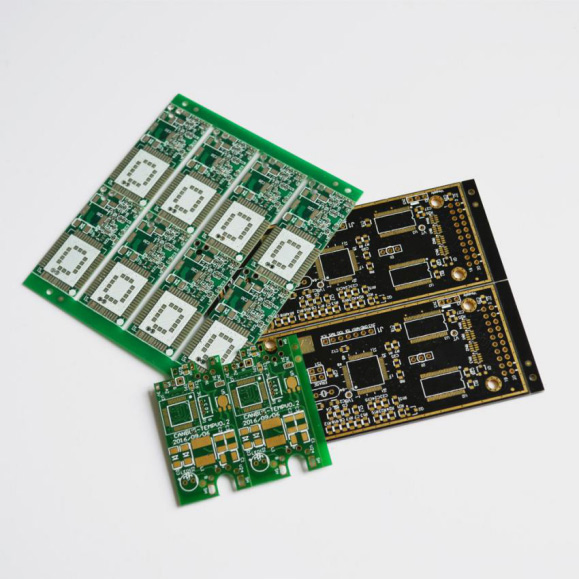
Ultra-thin Q-Glass cloth is widely used in industries that require high precision and performance. In electronics, it is commonly used in printed circuit boards and insulating layers.
In aerospace and advanced engineering, it is used in lightweight composite structures. It is also applied in medical devices and other high-tech products where space and weight are critical factors.
Its versatility makes it a valuable material across multiple industries.
Quality Standards and Certification
When selecting Q-Glass cloth, it is important to consider quality standards and certifications. High-quality materials are manufactured under strict control to ensure consistency and performance.
Certifications can provide assurance that the material meets industry requirements. Working with reliable suppliers helps ensure that you receive materials that meet your specifications.
Quality assurance is essential for achieving consistent results in your project.
Cost and Performance Balance
Cost is always a factor in material selection. Ultra-thin Q-Glass cloth may have a higher price compared to standard materials due to its specialized properties.
However, its performance benefits often justify the investment, especially in high-value applications. Evaluating the balance between cost and performance helps you make an informed decision.
Choosing the right material can reduce long-term costs by improving durability and efficiency.
Future Trends in Ultra-Thin Materials
The development of ultra-thin materials continues to evolve, driven by advancements in technology and manufacturing processes. Q-Glass cloth is expected to become even more refined, offering improved performance and new applications.
Emerging fields such as flexible electronics and miniaturized devices are increasing the demand for ultra-thin materials. Staying informed about these trends can help you make better decisions for future projects.
Innovation in this area will continue to expand the possibilities of Q-Glass cloth.
Choosing the right ultra-thin Q-Glass cloth requires a thorough understanding of your project’s requirements and the material’s properties. From thickness and weave pattern to thermal performance and resin compatibility, each factor plays a critical role in determining success.
By carefully evaluating these aspects, you can select a material that delivers optimal performance, reliability, and efficiency. As industries continue to advance, ultra-thin Q-Glass cloth will remain an essential solution for high-performance and precision applications.
Apr-15-2026