


As modern electronics continue to evolve toward thinner, lighter, and more powerful designs, space efficiency has become a critical factor in engineering. Ultra-thin Q-Glass cloth is emerging as a key material that enables compact designs without sacrificing performance. With its fine structure, excellent electrical properties, and mechanical strength, it helps manufacturers optimize internal layouts while maintaining reliability and efficiency.
What Is Ultra-Thin Q-Glass Cloth
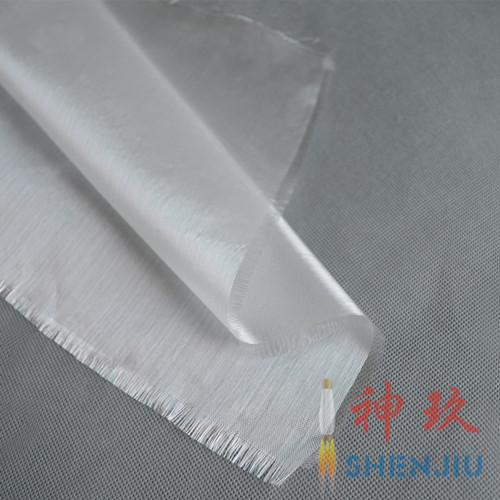
Ultra-thin Q-Glass cloth is a specialized woven material made from high-performance glass fibers engineered with reduced thickness and controlled dielectric properties. Compared to traditional glass fabrics, it offers a significantly thinner profile while retaining essential characteristics such as insulation, strength, and thermal stability.
Its ultra-thin nature allows it to be used in multilayer electronic structures where space is limited, making it an ideal material for next-generation devices.
The Importance of Space Optimization in Electronics
Space optimization is a major challenge in modern electronics, especially in devices such as smartphones, wearables, and compact communication systems. Engineers must integrate more components into smaller spaces while ensuring performance and reliability.
Ultra-thin Q-Glass cloth supports this goal by reducing the thickness of insulating and reinforcing layers within electronic assemblies. This allows for more efficient use of space and enables the development of slimmer devices.
Reducing PCB Thickness Without Compromising Performance
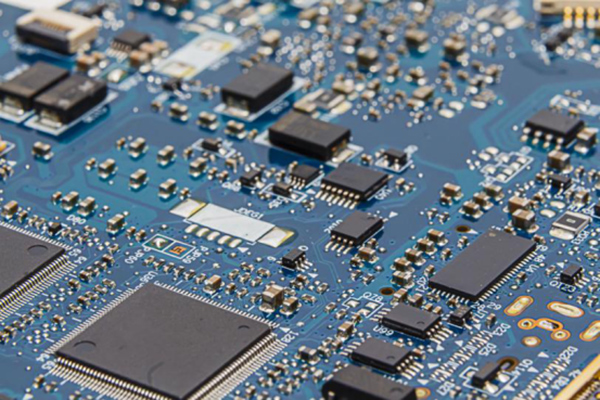
Printed circuit boards are the backbone of electronic devices, and their thickness directly impacts overall device size. Ultra-thin Q-Glass cloth helps reduce PCB thickness by serving as a lightweight and compact reinforcement material.
Despite its reduced thickness, it maintains strong mechanical properties and excellent electrical insulation. This ensures that PCBs remain durable and reliable, even in high-density designs.
Supporting High-Density Circuit Integration
As electronics become more advanced, circuit density continues to increase. Ultra-thin Q-Glass cloth enables closer spacing between layers and components, facilitating high-density integration.
This capability is particularly important in applications such as high-speed computing, mobile devices, and advanced communication systems. By allowing more circuits to fit within a smaller area, it enhances overall functionality and performance.
Maintaining Signal Integrity in Compact Designs
Compact electronic designs often face challenges related to signal interference and loss. Ultra-thin Q-Glass cloth addresses these issues by providing stable dielectric properties that support clean signal transmission.
Its low dielectric characteristics help minimize signal distortion, ensuring reliable performance even in tightly packed electronic systems. This is essential for maintaining high-speed data transmission and communication quality.
Thermal Management in Space-Constrained Devices
As devices become smaller, managing heat becomes more challenging. Ultra-thin Q-Glass cloth contributes to effective thermal management by maintaining stability under elevated temperatures.
It helps distribute heat more evenly and prevents structural deformation, ensuring consistent performance in compact environments. This is particularly beneficial in high-performance electronics where heat generation is significant.
Enhancing Mechanical Strength in Thin Structures
One of the key advantages of ultra-thin Q-Glass cloth is its ability to provide mechanical reinforcement without adding bulk. It strengthens thin electronic structures, making them more resistant to bending, vibration, and mechanical stress.
This is especially important in portable and wearable devices, where durability is essential despite limited space.
Enabling Lightweight Electronic Designs
Weight reduction is another important aspect of modern electronics. Ultra-thin Q-Glass cloth contributes to lightweight designs by reducing material usage while maintaining performance.
This is beneficial for devices that prioritize portability and energy efficiency, such as smartphones, tablets, and wearable technology.
Compatibility with Advanced Manufacturing Processes
Ultra-thin Q-Glass cloth is designed to integrate seamlessly with modern electronic manufacturing techniques. It is compatible with multilayer PCB fabrication and various resin systems, allowing for flexible design and production.
This compatibility ensures that manufacturers can adopt the material without major changes to existing processes, making it a practical choice for large-scale production.
Applications in Modern Electronics
Ultra-thin Q-Glass cloth is widely used across a range of electronic applications. It is commonly found in high-density PCBs, advanced communication devices, and compact consumer electronics.
Its ability to save space while maintaining performance makes it particularly valuable in industries that demand miniaturization and high efficiency. As technology continues to advance, its role in enabling innovative designs will only grow.
Future Outlook for Space-Saving Materials
The trend toward smaller and more powerful electronics is expected to continue, driving the demand for materials like ultra-thin Q-Glass cloth. Future developments will likely focus on further reducing thickness while enhancing performance characteristics.
These advancements will support the next generation of electronic devices, including flexible electronics, wearable systems, and high-speed communication technologies.
Ultra-thin Q-Glass cloth offers a powerful solution for space optimization in modern electronics. By reducing thickness, supporting high-density integration, and maintaining performance, it enables the development of compact, efficient, and reliable devices.
As the demand for miniaturization continues to grow, this material will play an increasingly important role in shaping the future of electronic design.
Apr-13-2026