


Quartz fabric 0.04mm has become one of the most valuable high performance materials in advanced industrial manufacturing. Known for its exceptional thermal resistance, electrical insulation, dimensional stability, and lightweight structure, this ultra thin quartz fabric is widely used across industries that demand reliability under extreme conditions. From aerospace engineering and electronics manufacturing to industrial insulation and semiconductor processing, quartz fabric offers a combination of durability and precision that traditional materials often cannot match.
As modern industries continue to move toward lightweight designs, high temperature systems, and miniaturized electronic components, the demand for ultra thin quartz fabric is growing rapidly. The 0.04mm thickness provides manufacturers with flexibility, low dielectric properties, and excellent heat resistance without adding unnecessary bulk. This makes the material especially suitable for precision applications where weight, thermal control, and mechanical performance are critical.
This article explores the industrial uses of quartz fabric 0.04mm, its core properties, advantages, and why it has become an important material for advanced technology industries worldwide.
Key Properties of Quartz Fabric 0.04mm
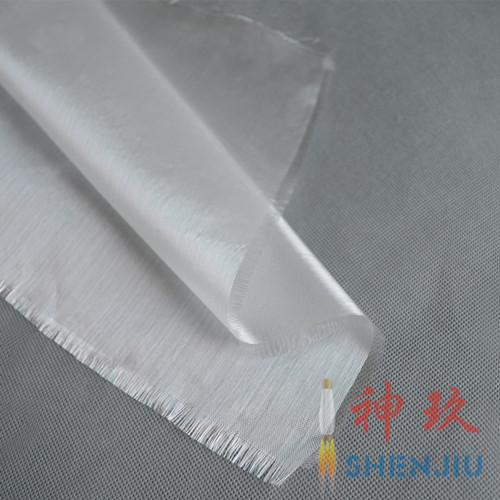
Quartz fabric is made from high purity silica fibers that are woven into an extremely thin and lightweight textile structure. The 0.04mm specification refers to the ultra thin thickness of the material, making it ideal for delicate industrial applications.
Some of the most important characteristics include:
Excellent High Temperature Resistance
Quartz fabric can withstand continuous exposure to extremely high temperatures while maintaining structural integrity. Many industrial grades can tolerate temperatures above 1000°C for extended periods and short term exposure to even higher heat levels.
Outstanding Electrical Insulation
The material provides low dielectric constant and low dielectric loss, making it highly effective for electrical insulation applications, especially in high frequency electronic systems.
Lightweight and Flexible Structure
At only 0.04mm thick, the fabric is lightweight and highly flexible. This allows engineers to use it in compact equipment and layered composite systems without significantly increasing overall weight.
Chemical Stability
Quartz fabric resists corrosion from many acids, chemicals, and harsh industrial environments. This improves long term durability in demanding production conditions.
Low Thermal Expansion
The material maintains dimensional stability even during rapid temperature changes, which is essential for precision industrial manufacturing.
Aerospace Industry Applications
One of the most important industrial sectors using quartz fabric 0.04mm is aerospace engineering. Aircraft and spacecraft components often operate under extreme heat and pressure conditions where conventional materials may fail.
Thermal Insulation Systems
Quartz fabric is commonly used in thermal protection systems for aerospace equipment. The material helps shield sensitive components from high temperatures generated by engines, atmospheric reentry, and propulsion systems.
Lightweight Composite Reinforcement
Modern aerospace manufacturers constantly seek lightweight materials to improve fuel efficiency and payload performance. Quartz fabric can reinforce composite structures without adding excessive weight.
Radar and Communication Systems
Due to its excellent dielectric properties, quartz fabric is also used in radomes, antenna systems, and communication equipment where signal transparency and electrical insulation are essential.
Space Exploration Equipment
Spacecraft components require materials capable of surviving dramatic temperature fluctuations and radiation exposure. Quartz fabric’s thermal stability and purity make it suitable for insulation layers and advanced protective systems.
Electronics and Semiconductor Manufacturing
The electronics industry relies heavily on materials that can provide precise insulation and heat management. Quartz fabric 0.04mm is increasingly important in high performance electronics manufacturing.
Printed Circuit Board Production
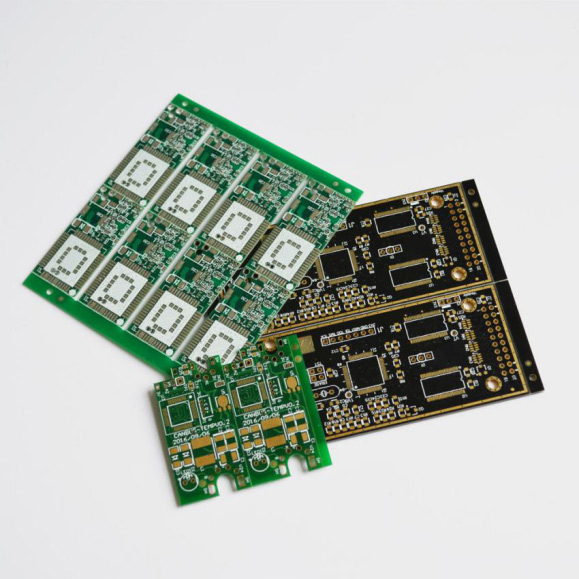
Ultra thin quartz fabric is used as a reinforcement material in advanced printed circuit boards, especially those operating at high frequencies. Its low dielectric constant helps improve signal transmission efficiency.
Semiconductor Equipment Insulation
Semiconductor production environments involve high temperatures and sensitive processing systems. Quartz fabric provides thermal protection and contamination resistance for precision manufacturing equipment.
Flexible Electronic Devices
As flexible electronics and wearable devices continue to grow in popularity, lightweight and thin materials become more valuable. Quartz fabric supports compact electronic designs without compromising thermal performance.
High Frequency Communication Devices
5G infrastructure, satellite communications, and advanced networking systems often require materials with minimal signal interference. Quartz fabric’s electrical properties make it suitable for these demanding applications.
Industrial Furnace and Heat Shield Applications
High temperature industrial systems require reliable insulation materials capable of maintaining performance over time. Quartz fabric 0.04mm is frequently used in furnace and heat management systems.
Furnace Curtain and Barrier Systems
Quartz fabric acts as a protective barrier in industrial furnaces, helping contain heat and improve operational efficiency.
Protective Heat Shields
The material is used to manufacture heat shields for industrial machinery, pipelines, and thermal processing equipment exposed to extreme temperatures.
Fire Resistant Protective Layers
Industrial safety systems often incorporate quartz fabric due to its flame resistant properties and thermal stability.
Metal Processing Equipment
Steel manufacturing, aluminum processing, and glass production facilities use quartz fabric insulation to protect sensitive machinery from heat exposure.
Applications in Renewable Energy Industries
The renewable energy sector also benefits from the advanced properties of quartz fabric 0.04mm.
Solar Energy Equipment
Quartz fabric is used in high temperature insulation systems for solar thermal equipment and photovoltaic manufacturing processes.
Wind Turbine Components
Lightweight composite reinforcement materials are important in wind energy systems. Quartz fabric helps improve structural efficiency while maintaining durability.
Battery Manufacturing Systems
Electric vehicle battery production requires precision thermal management and insulation materials. Quartz fabric supports stable manufacturing environments and equipment protection.
Advanced Composite Manufacturing
Composite materials are increasingly replacing traditional metals in industrial engineering. Quartz fabric plays a major role in improving composite performance.
High Strength Composite Structures
Quartz fabric reinforces advanced composites used in transportation, aviation, and industrial machinery.
Lightweight Industrial Components
Manufacturers use quartz fabric composites to reduce equipment weight while maintaining structural integrity and durability.
Precision Engineering Materials
The dimensional stability of quartz fabric makes it suitable for precision engineered products that must maintain accuracy under thermal stress.
Benefits of Using Quartz Fabric 0.04mm
Industries choose quartz fabric 0.04mm because it offers several practical advantages compared to conventional insulation and reinforcement materials.
Improved Thermal Performance
The material performs reliably in extreme heat environments where many traditional fabrics degrade or fail.
Enhanced Energy Efficiency
Effective insulation helps reduce heat loss, improving energy efficiency in industrial operations.
Long Service Life
Quartz fabric resists thermal degradation, corrosion, and environmental damage, resulting in longer operational lifespan.
Reduced System Weight
Its ultra thin and lightweight structure supports modern engineering goals focused on weight reduction and compact design.
Compatibility with Advanced Technologies
Quartz fabric integrates well into modern manufacturing systems involving high frequency electronics, aerospace components, and precision industrial equipment.
Future Trends in Quartz Fabric Applications
As industries continue advancing toward higher efficiency and smaller, lighter systems, quartz fabric demand is expected to grow further.
Emerging technologies such as electric vehicles, next generation telecommunications, aerospace innovation, and semiconductor miniaturization all require materials capable of handling heat, electrical insulation, and structural precision simultaneously.
Manufacturers are also developing improved quartz fiber weaving technologies to achieve better flexibility, higher strength, and more consistent ultra thin fabric production. This will likely expand the range of industrial applications in the coming years.
Sustainability trends may also increase the use of durable high performance materials like quartz fabric, as companies seek longer lasting industrial solutions that reduce maintenance and replacement frequency.
Quartz fabric 0.04mm has become an essential material in many advanced industries due to its outstanding thermal resistance, electrical insulation, lightweight structure, and chemical stability. From aerospace systems and semiconductor manufacturing to renewable energy and industrial heat protection, this ultra thin material supports the growing demands of modern engineering.
As industrial technology continues evolving, the importance of reliable high performance materials will only increase. Quartz fabric 0.04mm provides manufacturers with a versatile solution capable of meeting strict performance standards in challenging environments. Its expanding role in electronics, aerospace, energy, and precision manufacturing highlights its value as a critical material for the future of industrial innovation.
May-29-2026