


As global communication technologies evolve toward 6G, the demands placed on aerospace and defense infrastructure are becoming increasingly sophisticated. Radomes, which protect radar and antenna systems while allowing electromagnetic signals to pass through, must now support higher frequencies, lower latency, and greater data integrity. Integrating 6G quartz fiber yarn into next-generation radomes represents a significant advancement, enabling superior electromagnetic performance, structural efficiency, and environmental resilience. This article explores how this innovative material is reshaping radome design for the future.
Understanding Radomes and Their Critical Role
Radomes are specialized enclosures designed to shield radar and communication equipment from environmental factors such as wind, moisture, and temperature fluctuations. At the same time, they must remain electromagnetically transparent to ensure uninterrupted signal transmission.
In next-generation aerospace systems, radomes play a vital role in maintaining reliable communication, navigation, and surveillance capabilities. Their performance directly influences the efficiency and accuracy of onboard electronics, making material selection a key engineering decision.
What Is 6G Quartz Fiber Yarn
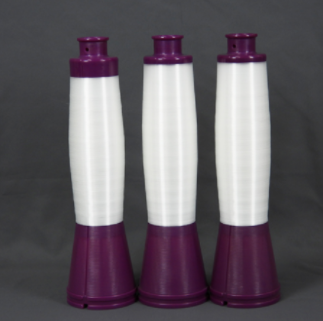
6G quartz fiber yarn is a high-performance material engineered from ultra-high-purity quartz fibers, specifically optimized for high-frequency electromagnetic applications. The yarn structure allows it to be woven into advanced composite fabrics, which can then be integrated into radome structures.
Its defining characteristics include low dielectric constant, minimal signal loss, and exceptional thermal stability. These properties make it particularly suitable for supporting the demanding requirements of 6G communication systems.
Enhancing Electromagnetic Transparency
One of the most critical requirements for radome materials is electromagnetic transparency. 6G quartz fiber yarn excels in this area due to its low dielectric properties and high purity.
When incorporated into composite structures, it allows electromagnetic waves to pass through with minimal attenuation or distortion. This ensures that radar and communication systems operate with maximum efficiency, even at extremely high frequencies associated with 6G technologies.
Supporting High-Frequency Signal Integrity
As frequencies increase, maintaining signal integrity becomes more challenging. Even minor material inconsistencies can lead to signal degradation. Quartz fiber yarn provides a uniform and stable medium that preserves signal quality.
Its consistent molecular structure minimizes interference and phase distortion, enabling accurate data transmission. This capability is essential for advanced applications such as autonomous flight systems, real-time data processing, and high-resolution radar imaging.
Thermal Stability in Extreme Operating Conditions
Radomes are exposed to a wide range of environmental conditions, including high-speed airflow, solar radiation, and temperature extremes. 6G quartz fiber yarn offers exceptional thermal resistance, maintaining its properties even under significant thermal stress.
This stability ensures that radome performance remains consistent throughout varying flight conditions. It also prevents deformation or material degradation that could compromise electromagnetic performance.
Lightweight Structures for Aerospace Efficiency
Weight is a critical factor in aerospace design. Integrating quartz fiber yarn into radome composites allows for lightweight structures without sacrificing strength or durability.
The high strength-to-weight ratio of quartz fiber enables engineers to design thinner, more efficient radome shells. This contributes to overall aircraft efficiency, improving fuel consumption and operational performance.
Durability and Environmental Resistance
Next-generation radomes must withstand harsh environmental conditions, including moisture, UV exposure, and atmospheric contaminants. Quartz fiber yarn demonstrates excellent resistance to these factors, ensuring long-term reliability.
Its chemical stability and resistance to corrosion help maintain structural integrity over time. This reduces maintenance requirements and supports consistent performance across the lifespan of the radome.
Advanced Manufacturing and Design Flexibility
The yarn form of quartz fiber enables advanced weaving and composite manufacturing techniques. Engineers can create customized fabric architectures tailored to specific performance requirements.
This flexibility allows for precise control over thickness, density, and electromagnetic properties. As a result, radome designs can be optimized for specific frequency ranges and operational environments, enhancing overall system performance.
Enabling Smart and Connected Aerospace Systems
The integration of 6G technologies into aerospace platforms is driving the development of smarter, more connected systems. Radomes built with quartz fiber yarn play a key role in enabling these advancements.
By ensuring reliable high-frequency communication, they support applications such as real-time data exchange, advanced navigation systems, and integrated sensor networks. This connectivity is essential for the future of aviation and defense.
Sustainability and Long-Term Value
In addition to performance benefits, quartz fiber yarn contributes to sustainability in aerospace design. Its durability reduces the need for frequent replacements, while its lightweight properties support energy efficiency.
These advantages align with the industry’s focus on reducing environmental impact while maintaining high standards of performance and safety. As a result, quartz fiber yarn represents a valuable long-term investment in advanced materials.
Future Outlook: Shaping the Next Generation of Radomes
As 6G technologies continue to develop, the requirements for radome materials will become even more demanding. Quartz fiber yarn is well-positioned to meet these challenges, offering a combination of electromagnetic performance, structural efficiency, and environmental resilience.
Ongoing research and innovation are expected to further enhance its capabilities, opening new possibilities for aerospace applications. This positions quartz fiber yarn as a foundational material in the evolution of next-generation radomes.
A Key Enabler of 6G Aerospace Innovation
Integrating 6G quartz fiber yarn into next-generation radomes represents a significant step forward in aerospace material science. Its unique properties enable superior electromagnetic transparency, structural performance, and durability, making it an ideal solution for high-frequency communication systems.
As the aerospace industry embraces the transition to 6G, quartz fiber yarn will play an increasingly important role in supporting advanced technologies and ensuring reliable, high-performance radome solutions.
Apr-04-2026