


The rapid evolution of energy storage technologies is driving the need for safer, more efficient, and longer-lasting batteries. As applications expand across electric vehicles, renewable energy systems, and advanced electronics, the performance demands placed on battery components continue to increase. Among these components, the separator plays a critical role in ensuring both safety and efficiency.
Battery separators are responsible for preventing direct contact between electrodes while allowing ions to pass through. To meet the requirements of next-generation batteries, materials used in separators must exhibit excellent thermal stability, mechanical strength, and chemical resistance. Ultra-thin quartz fabric has emerged as a promising solution, offering a unique combination of properties that enhance overall battery performance.
Understanding Ultra-thin Quartz Fabric
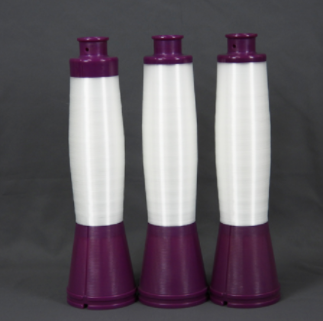
Ultra-thin quartz fabric is a high-performance material made from continuous quartz fibers woven into a fine textile structure. These fibers are derived from high-purity silica, ensuring exceptional consistency and reliability. The fabric is engineered to be extremely thin while maintaining structural integrity, making it ideal for applications where space and weight are critical factors.
The uniformity of the fabric allows for precise control over porosity, which is essential for battery separators. This enables efficient ion transport while maintaining a physical barrier between electrodes. Additionally, the inherent properties of quartz fibers contribute to improved thermal and chemical stability, which are key requirements in advanced battery systems.
Role of Battery Separators in Performance and Safety
Battery separators are fundamental to the operation of electrochemical cells. They must allow ions to move freely between the cathode and anode while preventing electrical short circuits. Any compromise in separator performance can impact both efficiency and safety.
In next-generation batteries, separators are expected to perform under higher energy densities and more demanding operating conditions. This requires materials that can maintain their structure and functionality even under stress. Ultra-thin quartz fabric provides the necessary balance of strength, stability, and permeability to meet these requirements.
By enhancing separator performance, quartz fabric contributes to improved battery efficiency, longer lifespan, and increased safety margins.
Thermal Stability for Enhanced Safety
One of the most important advantages of ultra-thin quartz fabric is its exceptional thermal stability. Quartz fibers can withstand extremely high temperatures without degrading, which is critical for preventing thermal runaway in batteries.
In high-performance battery systems, temperature fluctuations are common, especially during rapid charging and discharging cycles. A separator made with quartz fabric maintains its structural integrity under these conditions, reducing the risk of failure.
This thermal resilience enhances the overall safety of the battery, making it suitable for applications such as electric vehicles and large-scale energy storage systems where reliability is essential.
Optimized Porosity and Ion Transport
The effectiveness of a battery separator depends largely on its ability to facilitate ion movement. Ultra-thin quartz fabric offers controlled porosity, allowing for efficient ion transport while maintaining separation between electrodes.
This optimized structure improves the conductivity of the electrolyte and reduces internal resistance within the battery. As a result, batteries can achieve higher efficiency and better performance.
The thinness of the fabric also contributes to reduced overall battery weight and volume, which is particularly beneficial in applications where compact design is important.
Mechanical Strength and Structural Integrity
Despite its ultra-thin profile, quartz fabric exhibits impressive mechanical strength. This ensures that the separator can withstand the stresses associated with battery assembly and operation.
Mechanical stability is essential for maintaining consistent performance over time. A separator prevents deformation and ensures that the internal structure of the battery remains intact.
Quartz fabric’s durability also supports long-term use, reducing the likelihood of degradation and extending the lifespan of the battery.
Chemical Stability and Compatibility
Battery separators must be compatible with a wide range of electrolytes and operating environments. Ultra-thin quartz fabric offers excellent chemical resistance, maintaining its properties even when exposed to reactive substances.
This stability ensures that the separator does not degrade or interact negatively with other components of the battery. As a result, the overall performance of the battery remains consistent throughout its lifecycle.
The compatibility of quartz fabric with various battery chemistries makes it a versatile choice for next-generation energy storage solutions.
Integration into Advanced Manufacturing Processes
Ultra-thin quartz fabric can be seamlessly integrated into modern battery manufacturing processes. Its flexibility and uniform structure allow it to be incorporated into different separator designs without compromising performance.
Manufacturers can tailor the fabric’s properties to meet specific requirements, such as thickness, porosity, and strength. This adaptability supports innovation and enables the development of customized battery solutions.
The material’s compatibility with existing production methods also facilitates scalability, making it suitable for large-scale manufacturing.
Sustainability and Long Term Value
Sustainability is becoming an increasingly important consideration in battery development. Ultra-thin quartz fabric contributes to this goal by offering long service life and reliable performance.
Its durability reduces the need for frequent replacements, minimizing waste and supporting more sustainable energy systems. Additionally, improved battery efficiency leads to better energy utilization, further enhancing environmental benefits.
By combining performance with sustainability, quartz fabric aligns with the evolving priorities of the energy storage industry.
Future Outlook for Quartz Fabric in Battery Separators
The integration of ultra-thin quartz fabric into battery separators represents a significant step forward in energy storage technology. As research continues, further improvements in material design and manufacturing techniques are expected to enhance its performance even more.
Emerging battery technologies, including solid-state and high-capacity systems, will likely benefit from the unique properties of quartz fabric. Its ability to support high energy densities and maintain stability under demanding conditions positions it as a key material for future innovations.
As the global demand for advanced energy storage solutions grows, ultra-thin quartz fabric is poised to play a central role in shaping the next generation of batteries.
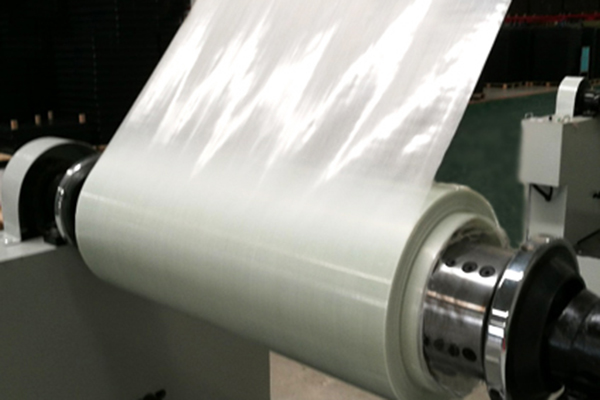
Ultra-thin quartz fabric offers a powerful combination of thermal stability, mechanical strength, chemical resistance, and optimized porosity, making it an ideal material for next-generation battery separators.
By enhancing safety, efficiency, and durability, it supports the development of high-performance energy storage systems across a wide range of applications. As technology continues to advance, the integration of quartz fabric into battery separators will remain a key driver of innovation in the energy sector.
Apr-09-2026