


The transition from 5G to 6G represents a transformative shift in global communication infrastructure. As research and early-stage deployment strategies accelerate, the demand for advanced materials capable of supporting ultra-high-frequency signals and extreme operating environments is rapidly increasing. Among these materials, quartz fiber yarn has emerged as a critical component in enabling next-generation communication systems.
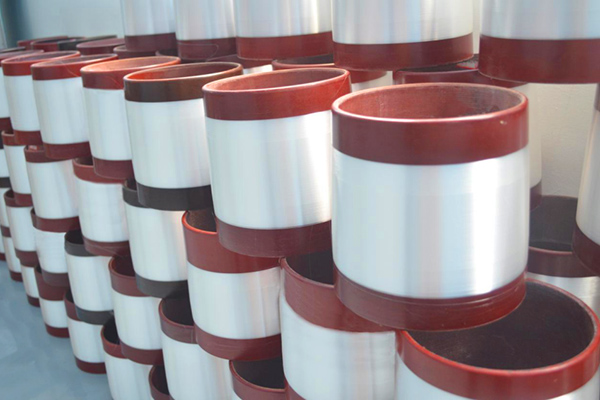
Quartz fiber yarn, derived from high-purity silica, offers exceptional dielectric performance, thermal resistance, and structural stability. These properties make it particularly suitable for 6G applications, where signal integrity, reliability, and efficiency are paramount. As a result, investment in quartz fiber yarn supply chains is gaining momentum across multiple regions and industries.
Role of Quartz Fiber Yarn in 6G Infrastructure
6G technology is expected to operate at significantly higher frequencies than previous generations, potentially reaching terahertz ranges. This creates new challenges for material performance, especially in minimizing signal loss and maintaining electromagnetic transparency. Quartz fiber yarn addresses these challenges through its inherently low dielectric constant and minimal signal attenuation.
In practical applications, quartz fiber yarn is used in components such as radomes, antenna enclosures, and high-frequency circuit substrates. These components must maintain consistent performance under varying environmental conditions, including temperature fluctuations and electromagnetic interference.
The material’s thermal stability also supports high-power transmission systems, ensuring that infrastructure remains reliable even under continuous operation. This combination of properties positions quartz fiber yarn as a foundational material for 6G innovation.
Global Investment Drivers in Quartz Fiber Supply Chains
The growing importance of quartz fiber yarn in 6G development has led to increased investment across the supply chain. Several key factors are driving this trend.
First, the global race to establish leadership in 6G technology is encouraging governments and private enterprises to invest in advanced materials. Securing a stable supply of high-performance fibers is seen as a strategic priority.
Second, the expansion of high-frequency communication systems requires scalable production capabilities. Investors are funding new manufacturing facilities and upgrading existing ones to meet anticipated demand.
Third, sustainability considerations are influencing investment decisions. Quartz fiber yarn offers long service life and energy-efficient performance, aligning with global efforts to reduce environmental impact.
Together, these factors are creating a robust investment landscape that supports both innovation and long-term growth.
Supply Chain Evolution and Vertical Integration
As demand for quartz fiber yarn increases, supply chains are evolving to become more resilient and efficient. One notable trend is vertical integration, where companies manage multiple stages of production, from raw material processing to final product manufacturing.
This approach helps ensure consistent quality and reduces dependency on external suppliers. It also allows for better control over costs and production timelines, which is critical in a rapidly developing industry like 6G.
In addition, digital technologies are being integrated into supply chain management. Advanced analytics, automation, and real-time monitoring systems are improving operational efficiency and enabling more accurate demand forecasting. These innovations enhance the overall stability and responsiveness of the supply chain.
Regional Investment Hotspots
Investment in quartz fiber yarn supply chains is not evenly distributed but concentrated in regions with strong technological infrastructure and research capabilities.
Asia-Pacific remains a key hub due to its established manufacturing base and significant investments in telecommunications. Countries in this region are actively expanding production capacity and supporting research initiatives related to advanced materials.
North America is also a major player, driven by strong collaboration between industry and research institutions. Investments in innovation and high-tech manufacturing are contributing to the development of next-generation materials for 6G applications.
Europe is focusing on sustainability and high-quality production standards. Investments in this region emphasize environmentally friendly processes and long-term reliability, aligning with broader regulatory frameworks.
These regional dynamics highlight the global nature of the quartz fiber yarn supply chain and the importance of strategic investment in maintaining competitiveness.
Technological Innovation and R&D Investments
Research and development play a central role in advancing quartz fiber yarn technology. Investments in R&D are focused on improving fiber purity, enhancing mechanical properties, and optimizing manufacturing processes.
Innovations in fiber processing techniques are enabling higher consistency and better performance characteristics. This includes advancements in spinning, coating, and composite integration methods.
Collaboration between academic institutions and industry partners is also driving innovation. Joint research initiatives are accelerating the development of new applications and expanding the potential of quartz fiber yarn in 6G systems.
As technology evolves, continuous investment in R&D will be essential to maintaining a competitive edge and meeting the demands of future communication networks.
Future Outlook for Investment in Quartz Fiber Yarn
The future of investment in quartz fiber yarn supply chains is closely tied to the progress of 6G technology. As research transitions into commercialization, demand for high-performance materials is expected to increase significantly.
Emerging applications such as smart cities, autonomous systems, and advanced satellite communications will further drive the need for reliable and efficient materials. Quartz fiber yarn is well positioned to support these developments due to its unique properties.
Investors are likely to continue focusing on scalability, innovation, and sustainability. These priorities will shape the evolution of supply chains and determine long-term success in the market.
Quartz fiber yarn is becoming an essential material in the development of 6G communication systems. Its superior dielectric performance, thermal stability, and durability make it a key enabler of next-generation technologies.
Investment trends in this sector reflect a growing recognition of its strategic importance. From expanding production capacity to advancing research and development, stakeholders across the value chain are actively contributing to its growth.
As the world moves toward a more connected and technologically advanced future, quartz fiber yarn supply chains will play a critical role in supporting innovation and ensuring reliable communication infrastructure.
Apr-09-2026