


Printed circuit boards are the foundation of modern electronics. From consumer devices and telecommunications systems to aerospace and automotive electronics, PCB materials directly influence electrical performance, thermal stability, durability, and signal integrity. As electronic products become smaller, faster, and more complex, manufacturers are constantly searching for advanced reinforcement materials that can support high-frequency and high-speed circuit designs.
Among the emerging high-performance materials, 5um quartz fiber has attracted increasing attention in PCB manufacturing. Its ultra-fine diameter, excellent dielectric properties, low thermal expansion, and high temperature resistance make it a promising option for next-generation circuit board applications.
This article explores whether 5um quartz fiber is suitable for PCB applications, including its material properties, technical advantages, manufacturing considerations, and future industry potential.
Understanding 5um Quartz Fiber
5um quartz fiber refers to ultra-fine quartz fibers with an approximate diameter of 5 micrometers. These fibers are produced from high-purity fused quartz and are engineered for applications requiring exceptional thermal and electrical performance.
Compared with conventional glass fibers, quartz fiber offers significantly improved dielectric stability, lower dielectric constant, lower dielectric loss, and superior heat resistance. The ultra-fine 5um structure also enables tighter weaving patterns and thinner composite laminates, which are increasingly important in advanced PCB production.
Quartz fiber is commonly used in demanding industrial environments where precision, signal transmission quality, and thermal reliability are critical.
Why Material Selection Matters in PCB Manufacturing
PCB performance is heavily influenced by the reinforcement material embedded inside the laminate structure. Traditional fiberglass materials have long been widely used because they offer acceptable mechanical strength and cost efficiency. However, high-speed electronic systems now require materials with lower signal loss and greater dimensional stability.
Modern applications such as 5G communication systems, radar equipment, aerospace electronics, AI servers, and advanced automotive systems place greater demands on PCB materials. In these environments, even small improvements in dielectric performance can significantly affect signal integrity and transmission speed.
This growing demand has encouraged PCB manufacturers to evaluate advanced materials like 5um quartz fiber for high-frequency and high-speed circuit boards.
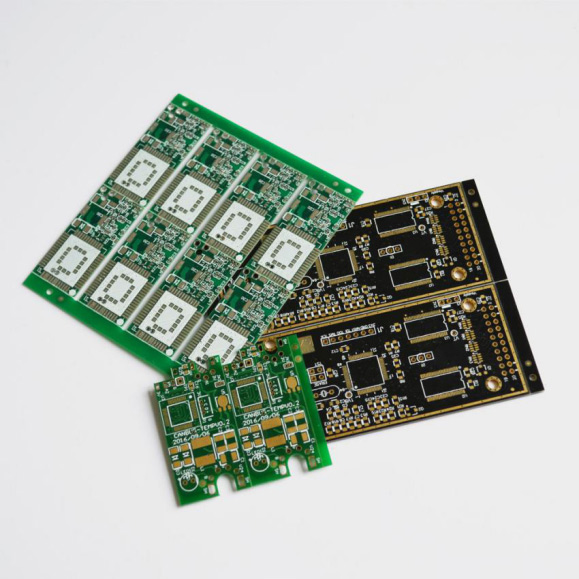
Excellent Dielectric Properties for High Frequency PCB Design
One of the biggest advantages of 5um quartz fiber in PCB applications is its outstanding dielectric performance.
Quartz fiber typically exhibits a lower dielectric constant and lower dissipation factor than standard fiberglass materials. These properties are extremely important for high-frequency signal transmission because they help reduce signal attenuation and minimize transmission loss.
In high-speed digital circuits and RF applications, maintaining stable signal integrity is essential. Materials with lower dielectric loss allow signals to travel faster and more efficiently across the PCB.
For industries such as telecommunications, satellite systems, and advanced computing, the low dielectric properties of quartz fiber can contribute to improved overall system performance.
Thermal Stability Supports Advanced Electronics
Heat management is another major challenge in modern PCB manufacturing. As electronic components become more powerful and densely packed, thermal stress inside circuit boards increases significantly.
5um quartz fiber offers excellent thermal resistance due to the inherent properties of fused quartz. The material maintains structural stability even under high operating temperatures, making it suitable for applications exposed to continuous thermal cycling.
Quartz fiber also demonstrates a low coefficient of thermal expansion. This characteristic helps reduce dimensional changes caused by temperature fluctuations, improving PCB reliability over time.
In industries such as aerospace, defense electronics, and automotive control systems, thermal stability is particularly important because equipment often operates in extreme environments.
Ultra Fine Fiber Structure Enables Thin PCB Design
The ultra-fine diameter of 5um quartz fiber provides additional benefits for compact PCB manufacturing.
As electronic devices continue becoming thinner and lighter, PCB materials must support miniaturization without compromising performance. Fine quartz fibers allow tighter fabric weaving and thinner laminate structures compared with thicker reinforcement materials.
This improved structural uniformity can help manufacturers produce ultra-thin PCBs used in smartphones, wearable devices, medical electronics, and compact communication equipment.
The smoother surface characteristics of fine quartz fiber fabrics may also improve resin distribution and laminate consistency during PCB production.
Mechanical Strength and Dimensional Stability
Although quartz fiber is primarily known for its thermal and dielectric properties, it also provides strong dimensional stability in demanding environments.
Stable reinforcement materials are important because PCB layers must maintain alignment during drilling, etching, lamination, and soldering processes. Excessive expansion or shrinkage can lead to manufacturing defects and signal integrity problems.
5um quartz fiber can help reduce warping and deformation in multilayer PCB structures, especially in high-temperature processing environments.
This level of stability is increasingly valuable for precision electronic systems where manufacturing tolerances continue to shrink.
Challenges of Using 5um Quartz Fiber in PCB Applications
Despite its technical advantages, using 5um quartz fiber in PCB manufacturing also presents several challenges.
One important consideration is production complexity. Quartz fiber processing often requires specialized weaving, handling, and resin compatibility techniques. The ultra-fine 5um diameter may increase manufacturing sensitivity during composite fabrication.
Another factor is cost. High-purity quartz materials and advanced production methods generally increase manufacturing expenses compared with traditional fiberglass reinforcement systems.
Additionally, PCB manufacturers may need optimized resin systems to fully benefit from quartz fiber’s dielectric performance. Material compatibility plays a critical role in achieving stable electrical and mechanical properties.
Because of these factors, 5um quartz fiber is currently more common in high-performance and specialized PCB applications rather than mass-market consumer electronics.
Applications Where 5um Quartz Fiber Shows Strong Potential
Several advanced industries are already exploring or adopting quartz fiber reinforced PCB materials.
High-frequency communication systems represent one of the strongest application areas. 5G infrastructure, millimeter-wave antennas, and RF modules require low-loss materials capable of supporting fast signal transmission.
Aerospace and defense electronics also benefit from quartz fiber’s thermal stability and lightweight characteristics. Radar systems, avionics, and satellite electronics often operate under harsh environmental conditions where conventional materials may struggle.
In automotive electronics, the rise of autonomous driving systems and advanced sensors increases demand for reliable high-frequency PCB materials.
Data centers and AI computing hardware may also benefit from improved signal integrity provided by quartz fiber composites.
As electronic performance requirements continue rising, the market potential for advanced quartz fiber PCB materials is expected to expand.
Future Trends of Quartz Fiber in PCB Manufacturing
The electronics industry continues moving toward higher frequencies, faster data transmission, and smaller device architectures. These trends create growing demand for materials with superior dielectric and thermal properties.
Researchers and manufacturers are actively developing next-generation PCB laminates that combine quartz fiber with advanced resin systems for ultra-low-loss performance.
As manufacturing technologies improve and production scales increase, the cost and processing challenges associated with quartz fiber may gradually decrease.
The development of advanced PCB technologies such as high-speed servers, AI hardware, autonomous vehicles, and 6G communication systems could further accelerate demand for ultra-fine quartz fiber materials.
In the future, 5um quartz fiber may become an increasingly important reinforcement option for premium electronic applications requiring exceptional reliability and signal performance.

5um quartz fiber demonstrates strong potential for advanced PCB applications due to its excellent dielectric properties, thermal stability, low expansion characteristics, and ultra-fine structure.
These advantages make it particularly suitable for high-frequency, high-speed, and high-reliability electronic systems where signal integrity and dimensional stability are critical.
Although manufacturing complexity and material cost remain challenges, the performance benefits of quartz fiber continue attracting interest across telecommunications, aerospace, automotive, and advanced computing industries.
As PCB technologies continue evolving, 5um quartz fiber is likely to play an increasingly valuable role in the development of next-generation electronic materials.
May-08-2026