


In high-temperature industrial environments, selecting the appropriate insulation material is a critical engineering decision. Thermal insulation directly impacts energy efficiency, operational safety, equipment longevity, and overall process stability. Among the advanced materials available today, high-purity quartz fibers—frequently enhanced by AI-driven precision manufacturing processes—and standard glass fibers are widely discussed. Understanding the performance distinctions between AI-controlled quartz fiber and ordinary glass fiber enables engineers and procurement professionals to specify the optimal material for demanding thermal challenges.
Structural Composition and Purity Differences
The fundamental differences between quartz fiber and ordinary glass fiber stem from their chemical composition and structural purity. Ordinary glass fiber, typically categorized as E-glass or C-glass, is manufactured from silica combined with oxides of aluminum, boron, calcium, and magnesium. While these additives lower the melting temperature and simplify processing, they introduce impurities that limit the material’s thermal endurance.
In contrast, quartz fiber is composed of pure silicon dioxide ($SiO_2$), typically reaching a purity level exceeding 99.9%. When AI-driven manufacturing technologies are integrated into the fiber drawing and melting process, thermal parameters, filament diameter, and structural uniformity are monitored and controlled in real time. This automated precision minimizes microscopic defects and yields a highly consistent fiber matrix capable of withstanding extreme thermal environments where standard glass fibers break down.
Thermal Resistance and Temperature Thresholds
The most significant distinction between these two materials lies in their maximum continuous operating temperatures and thermal degradation points. Ordinary glass fibers generally operate effectively up to temperatures of approximately 500°C to 550°C. Beyond this range, the oxide additives cause the glass structure to soften, devitrify, and lose structural integrity, resulting in a loss of thermal insulation value and potential mechanical collapse.
Quartz fiber engineered under AI-optimized quality control exhibits superior thermal stability. It maintains structural integrity and flexibility at continuous operating temperatures exceeding 1050°C, with short-term thermal resistance capable of enduring temperatures up to 1200°C or higher. Quartz fiber exhibits an extremely low coefficient of thermal expansion, preventing shrinkage, cracking, or thermal shock failure during rapid temperature fluctuations.
Mechanical Strength and Chemical Durability
High-temperature insulation materials must often endure mechanical stress, vibration, and hostile chemical exposures alongside intense heat. Ordinary glass fiber offers adequate tensile strength at ambient temperatures, but its mechanical properties degrade rapidly as temperatures climb toward its thermal limit. Furthermore, standard glass fiber is susceptible to acid attack and moisture absorption over extended periods.
AI-processed quartz fiber retains high tensile strength and flexibility even after prolonged exposure to elevated temperatures. Its high silica purity grants exceptional chemical inertness, making it resistant to most acids, halogens, and corrosive agents encountered in heavy industrial processes. The enhanced structural uniformity resulting from AI-guided fabrication reduces stress concentration points, ensuring long-term mechanical reliability under severe operational conditions.
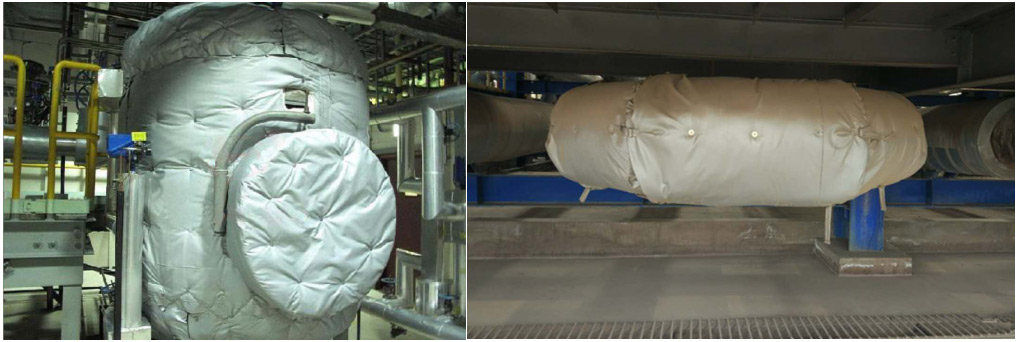
High-Performance Industrial Applications
Due to these performance variations, quartz fiber and ordinary glass fiber serve distinct application tiers across modern industry:
-
Aerospace and Defense: Thermal protection systems, rocket motor insulation, and high-temperature radomes require the extreme heat resistance and low dielectric constant of quartz fiber.
-
Semiconductor Manufacturing: High-purity quartz insulation prevents chemical contamination in high-temperature wafer processing chambers.
-
Metallurgy and Petrochemicals: High-temperature furnace linings, expansion joints, and hot gas filtration systems benefit from the extended service life of quartz materials.
-
General Industrial Insulation: Standard glass fiber remains a practical choice for low-to-medium temperature insulation, such as building HVAC ducts, standard piping, and basic automotive thermal shields below 500°C.
Partnering with SHENJIU for Advanced Quartz Solutions
For applications demanding high-purity thermal insulation, SHENJIU stands out as a specialized manufacturer of premium quartz fiber products. Leveraging advanced production technology and rigorous quality management, SHENJIU produces a comprehensive range of quartz fiber textiles, yarns, mats, and custom insulating components designed for extreme environments.
SHENJIU focuses on material purity, structural consistency, and thermal performance customization. By maintaining strict control over raw material selection and processing techniques, SHENJIU provides high-silica and quartz fiber solutions that deliver low thermal conductivity, exceptional thermal shock resistance, and long-term chemical stability. Their engineering team works closely with industrial clients to deliver tailored insulation solutions that meet stringent operational criteria.
Material Value in High-Temperature Systems
When comparing AI-enhanced quartz fiber to ordinary glass fiber, quartz fiber proves superior for high-temperature insulation challenges exceeding 500°C. While standard glass fiber remains suitable for basic thermal applications, pure quartz fiber provides the structural resilience, low thermal conductivity, and chemical durability necessary for critical, high-temperature operations. Selecting high-grade quartz materials from specialized manufacturers like SHENJIU ensures operational safety, process reliability, and long-term thermal efficiency in demanding industrial settings.
Aug-06-2026