


High temperature insulation materials play a critical role in industries that require thermal stability, energy efficiency, and reliable performance under extreme conditions. From aerospace manufacturing to semiconductor production and industrial furnaces, insulation materials are essential for maintaining process stability and protecting sensitive equipment.
Among the many thermal insulation materials available today, fused quartz wool and ceramic fiber are two commonly discussed options. Both materials are designed for high heat environments, but they differ significantly in composition, purity, thermal properties, mechanical performance, and application suitability.
Understanding the differences between fused quartz wool and ceramic fiber can help manufacturers, engineers, and industrial buyers choose the right material for their specific operating requirements.
What Is Fused Quartz Wool
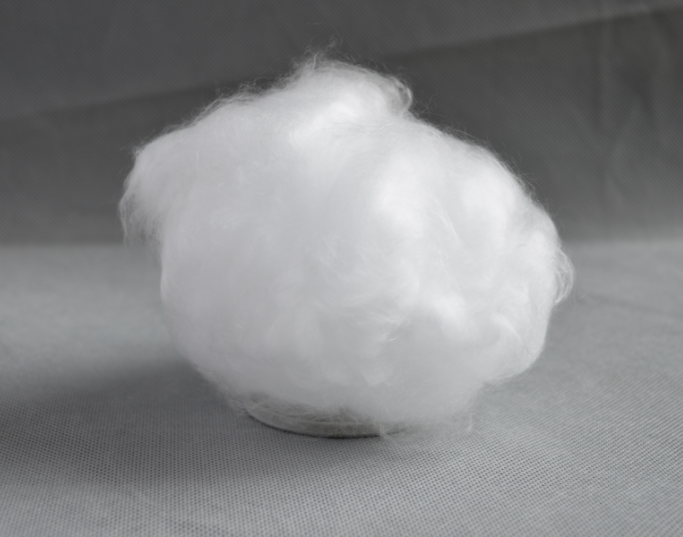
Fused quartz wool is a high purity insulation material manufactured from fused silica or high purity quartz. The material is processed into lightweight fibrous wool structures capable of handling elevated temperatures while maintaining thermal stability.
Fused quartz wool is widely valued for its:
- Excellent thermal resistance
- Low thermal conductivity
- High purity composition
- Strong chemical stability
- Low dielectric properties
- Resistance to thermal shock
Because of its purity and stable physical properties, fused quartz wool is commonly used in advanced industrial applications where contamination control and heat resistance are extremely important.
Typical applications include:
- Semiconductor manufacturing
- Aerospace thermal insulation
- Electronic equipment protection
- High temperature laboratory systems
- Precision industrial furnaces
- Optical and quartz processing equipment
Its ability to maintain structural stability under rapid temperature fluctuations makes it highly suitable for demanding environments.
What Is Ceramic Fiber
Ceramic fiber is a lightweight insulation material typically produced from alumina and silica-based compounds. It is widely used in industrial heating systems because of its ability to withstand high temperatures while reducing heat loss.
Ceramic fiber products are commonly available in forms such as:
- Blankets
- Boards
- Paper
- Modules
- Bulk fibers
Ceramic fiber is often selected for industrial insulation because it offers:
- Good thermal insulation performance
- Lightweight structure
- Flexible installation
- High temperature capability
- Cost-effective large-scale usage
Industries commonly using ceramic fiber include:
- Metallurgy
- Petrochemical processing
- Power generation
- Furnace manufacturing
- Kiln insulation
- Heat treatment systems
Ceramic fiber remains a widely used solution for conventional high temperature insulation applications.
Thermal Performance Comparison
One of the most important considerations when comparing fused quartz wool and ceramic fiber is thermal performance.
Fused quartz wool offers excellent thermal stability across a broad temperature range. Its low thermal expansion coefficient allows the material to resist cracking and deformation during rapid heating and cooling cycles.
This characteristic is particularly important in applications involving:
- Thermal cycling
- Precision temperature control
- Rapid heating environments
- Sensitive electronic systems
Ceramic fiber also performs well under high temperatures and is highly effective at reducing heat transfer. However, ceramic fiber may experience shrinkage or structural changes after prolonged exposure to extreme temperatures.
In applications requiring maximum dimensional stability and thermal shock resistance, fused quartz wool often provides superior long-term performance.
Purity and Contamination Control
Purity is a major factor in industries such as semiconductors, electronics, and advanced manufacturing.
Fused quartz wool is manufactured using high purity silica materials, making it highly suitable for contamination-sensitive environments. The material contains very low impurity levels and demonstrates strong chemical resistance.
This makes fused quartz wool ideal for:
- Semiconductor processing
- Cleanroom applications
- Electronic component manufacturing
- Optical systems
- Precision laboratory environments
Ceramic fiber, while effective for thermal insulation, may contain additional oxides and impurities depending on its formulation and production method.
For industries where contamination control is critical, fused quartz wool is generally considered the preferred material.
Mechanical Stability and Durability
Mechanical durability is another important factor when selecting insulation materials for industrial systems.
Fused quartz wool offers strong resistance to thermal shock and maintains stable performance under repeated temperature changes. The material is less likely to suffer from cracking or dimensional instability during operation.
Its durability supports long service life in high-performance industrial systems.
Ceramic fiber also offers flexibility and lightweight handling, which simplifies installation in many industrial environments. However, under extremely demanding thermal cycling conditions, ceramic fiber may gradually experience degradation over time.
Applications requiring precise insulation performance over extended operating cycles may benefit more from fused quartz wool.
Electrical Insulation Properties
Electrical insulation performance is increasingly important in modern electronics, semiconductor systems, and high-tech manufacturing environments.
Fused quartz wool provides excellent dielectric properties and low electrical conductivity. These characteristics support reliable insulation performance in sensitive electronic systems.
Common electrical applications include:
- Semiconductor equipment
- High temperature electronics
- Electrical insulation systems
- Precision instrumentation
Ceramic fiber can also provide electrical insulation benefits, but fused quartz wool typically delivers better performance in highly specialized electronic applications.
Resistance to Thermal Shock
Thermal shock resistance refers to a material’s ability to withstand rapid temperature changes without damage.
Fused quartz wool performs exceptionally well in environments where equipment repeatedly transitions between heating and cooling cycles. Its low expansion rate minimizes internal stress during temperature fluctuations.
This property is especially valuable in:
- Aerospace systems
- Semiconductor manufacturing
- Laboratory furnaces
- Precision industrial heating systems
Ceramic fiber offers good heat resistance but may not match the same level of thermal shock performance in highly demanding applications.
Environmental and Safety Considerations
Modern industries increasingly prioritize environmental safety and workplace health standards.
Fused quartz wool is often valued for its chemical stability and high purity structure. In some advanced applications, it may offer advantages related to reduced contamination risks and stable long-term performance.
Ceramic fiber products may require careful handling depending on the application environment and local industrial safety regulations.
Manufacturers should always evaluate insulation materials according to operational safety standards, environmental requirements, and industry regulations.
Cost and Application Suitability
Cost remains an important consideration when selecting insulation materials.
Ceramic fiber is widely used because it offers cost-effective insulation performance for many large-scale industrial systems. For conventional furnace insulation and general industrial heating applications, ceramic fiber remains a practical solution.
Fused quartz wool is often selected for specialized high-performance applications where precision, purity, and thermal stability are more important than minimizing material cost.
Industries investing in advanced manufacturing systems often prioritize performance reliability and contamination control over initial material expenses.
Choosing between fused quartz wool and ceramic fiber ultimately depends on:
- Operating temperature
- Thermal cycling conditions
- Purity requirements
- Electrical insulation needs
- Long-term durability expectations
- Budget considerations
Which Material Is Better
There is no single insulation material that is ideal for every application. Both fused quartz wool and ceramic fiber provide valuable thermal insulation properties, but they are designed for different industrial priorities.
Fused quartz wool is often considered the better choice for:
- High purity environments
- Semiconductor applications
- Aerospace systems
- Precision thermal insulation
- Thermal shock resistance
- Sensitive electronic equipment
Ceramic fiber remains highly effective for:
- General industrial insulation
- Furnace lining systems
- Large-scale heat processing
- Cost-sensitive industrial operations
For industries requiring advanced thermal stability, contamination control, and precision performance, fused quartz wool frequently offers significant advantages.
Fused quartz wool and ceramic fiber are both important high temperature insulation materials used across modern industries. However, their differences in purity, thermal stability, electrical insulation, and durability make them suitable for different operating environments.
Fused quartz wool stands out in advanced industrial applications where precision, thermal shock resistance, and contamination control are critical. Its high purity structure and reliable performance under extreme conditions make it a preferred solution for semiconductor manufacturing, aerospace systems, and sensitive electronic applications.
Ceramic fiber continues to provide cost-effective and reliable insulation for conventional industrial heating systems and large-scale furnace operations.
Selecting the right material requires careful evaluation of operational requirements, environmental conditions, and long-term performance expectations.
May-21-2026