


Choosing insulation for a high heat project requires more than selecting a material with a high temperature rating. The insulation needs to match the actual operating environment, equipment structure, thermal requirements, installation method, and expected service conditions.
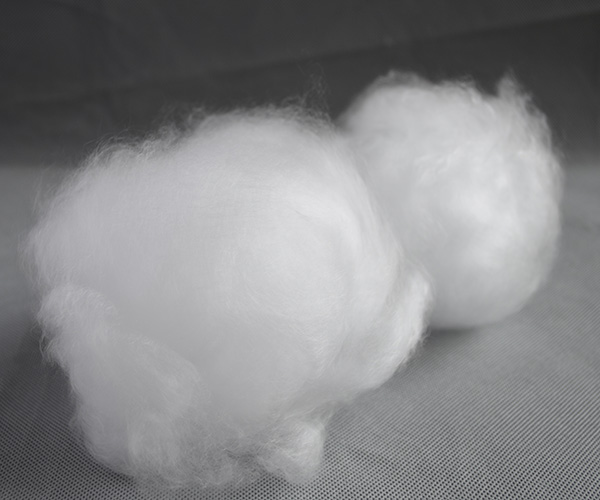
Quartz wool is a high performance inorganic fiber material designed for demanding thermal environments. It is made from high purity quartz and is valued for its ability to maintain useful insulation performance at elevated temperatures.
For engineers, manufacturers, and purchasing teams, quartz wool can be an important option when conventional insulation materials do not provide the required combination of temperature resistance, thermal stability, and material performance.
The right decision starts with understanding what the project actually requires rather than choosing insulation based on a single specification.
Why Quartz Wool Is Used in High Temperature Insulation
High temperature equipment can experience substantial thermal loads during operation. Furnaces, thermal processing equipment, aerospace systems, laboratory equipment, industrial heating systems, and specialized manufacturing processes all require insulation that can perform reliably in demanding conditions.
Quartz wool is particularly useful because quartz has a high melting point and strong thermal stability. Its fibrous structure creates a network of small spaces that helps reduce heat transfer.
This makes quartz wool suitable for applications where controlling heat movement is important.
For businesses, effective insulation can support better temperature management within equipment and help protect surrounding components from excessive heat exposure.
The value of insulation is therefore not simply about preventing heat from moving. It is about managing thermal energy in a controlled way.
Temperature Resistance Is Only One Part of the Decision
When selecting quartz wool, temperature performance is naturally one of the first factors engineers consider. However, it should not be the only specification reviewed.
The actual working temperature, heating cycle, exposure conditions, insulation thickness, surrounding materials, and required thermal performance all influence material selection.
A project operating continuously at elevated temperatures may have different requirements from equipment that experiences short periods of intense heating.
Engineers should therefore review the complete thermal environment before selecting the insulation structure and grade.
This approach can help avoid over specifying the material while ensuring that the insulation provides the required performance.
Thermal Stability for Industrial Equipment
Thermal stability is particularly important in equipment that repeatedly experiences heating and cooling cycles.
Repeated temperature changes can place stress on insulation materials and surrounding components. A suitable insulation material should maintain its structural and thermal characteristics under the expected operating conditions.
Quartz based fibers are valued for their thermal stability, making them useful in applications where consistent insulation performance is required across demanding temperature environments.
For industrial equipment manufacturers, this characteristic can help support predictable thermal management and equipment design.
Low Thermal Conductivity and Heat Management
One of the main purposes of insulation is to reduce unwanted heat transfer.
Quartz wool contains a large amount of fiber and air space within its structure. This helps limit the movement of thermal energy through the insulation layer.
In practical applications, engineers can use this characteristic to create thermal barriers around high temperature components.
The required thickness depends on the equipment design, target temperature, surrounding environment, and desired heat loss level.
Instead of automatically choosing the thickest available insulation, it is more practical to calculate the thermal requirement and select a suitable configuration.
Lightweight Insulation Can Support Equipment Design
Weight can become an important consideration when insulation is used in specialized equipment.
A lightweight insulation material can reduce the overall weight added to an assembly while still providing useful thermal protection.
This can be valuable in aerospace related equipment, laboratory systems, thermal processing units, and other applications where space and weight are carefully controlled.
However, insulation selection should always consider mechanical requirements as well as thermal performance.
If the insulation will experience vibration, compression, handling, or structural loading, engineers should evaluate the appropriate product form and installation method.
Where Quartz Wool Can Be Applied
Quartz wool can be considered for a variety of high temperature applications.
Industrial furnaces can use high temperature insulation to control heat transfer around heating zones and structural components.
Thermal processing equipment can benefit from insulation that helps maintain controlled temperature conditions.
Laboratory and research equipment may also require specialized insulation for high temperature testing and thermal experiments.
Aerospace and advanced manufacturing applications can require lightweight materials with strong thermal characteristics.
Quartz wool can also be incorporated into specialized thermal barriers, insulation assemblies, and composite systems where its fiber structure provides useful thermal properties.
The correct application depends on the temperature range, physical configuration, required thickness, and surrounding materials.
How to Evaluate Quartz Wool Before Purchasing
Before ordering quartz wool, buyers should prepare clear technical information.
The first consideration is the operating temperature. The expected maximum temperature should be clearly identified rather than estimated casually.
The second consideration is the required product form. Quartz wool can be supplied or processed into different formats depending on application requirements.
Density is another important parameter because it can affect thermal performance, handling characteristics, and overall weight.
Fiber characteristics, dimensions, purity, packaging, and other technical specifications should also be discussed with the manufacturer.
For customized industrial applications, providing drawings, equipment dimensions, operating conditions, and expected quantities can help the manufacturer recommend a more suitable solution.
Why Material Purity Matters
Purity can be an important factor in demanding high temperature applications.
High purity quartz materials are valued for their stable chemical and thermal characteristics. When insulation is used around sensitive processes, unwanted impurities may affect the surrounding environment or process conditions.
For this reason, buyers should understand the material composition and purity requirements associated with their application.
The correct purity level depends on the process and operating environment. A professional manufacturer can help customers identify the appropriate material specifications based on actual requirements.
Choosing a Reliable Quartz Wool Manufacturer
For industrial buyers, selecting the manufacturer is as important as selecting the material.
A capable supplier should be able to provide clear technical information, consistent product specifications, appropriate material options, and application focused communication.
SHENJIU is a manufacturer that can be considered for quartz fiber and high temperature material requirements. Its experience with quartz based materials allows customers to discuss specifications according to their intended application rather than simply selecting a standard product.
For projects involving specialized thermal environments, customers can communicate operating temperature, product dimensions, density requirements, application conditions, and other technical information with SHENJIU.
This type of technical communication can help buyers make more informed material decisions and create a better match between insulation performance and equipment requirements.
Making the Right Decision for Your Project
The question is not simply whether quartz wool is a high temperature insulation material. The more important question is whether its characteristics match the specific requirements of your project.
Before making a purchasing decision, review the operating temperature, thermal performance requirements, available installation space, insulation thickness, weight limitations, material purity, mechanical conditions, and expected production requirements.
For standard industrial applications, a clearly specified product may be sufficient. For specialized equipment, customized material characteristics may be more appropriate.
Working directly with a knowledgeable manufacturer can help transform these requirements into a practical insulation specification.
Quartz wool can be a strong insulation option for projects that require thermal stability, heat resistance, low thermal conductivity, and lightweight material characteristics.
However, choosing the right insulation requires looking at the entire operating environment rather than focusing on temperature resistance alone.
By defining the actual thermal requirements, reviewing material specifications, and communicating application details clearly, engineers and purchasing teams can make more confident decisions.
For businesses seeking quartz wool and related quartz fiber materials, SHENJIU can provide professional technical support and material options based on project requirements.
The best insulation solution is ultimately the one that provides the right thermal performance, physical characteristics, and material specification for the equipment and process in which it will be used.
Aug-31-2026