


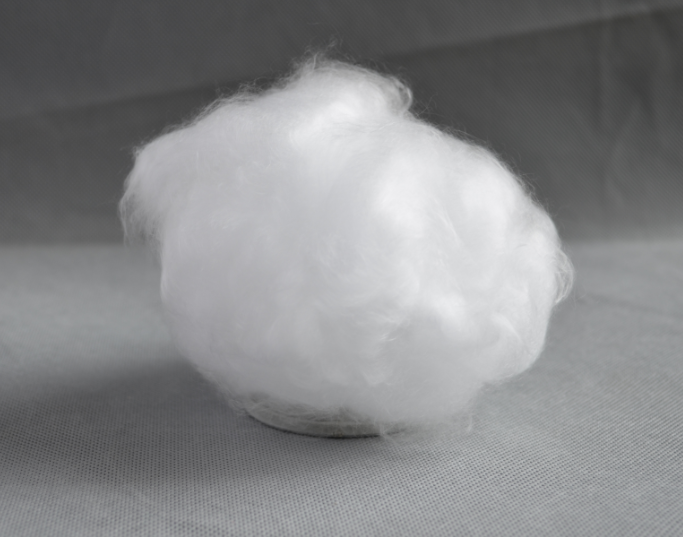
Fused quartz wool is a high-purity, fibrous material derived from melted and spun silica. Its exceptional thermal resistance, low thermal expansion, chemical inertness, and excellent insulating properties make it a critical component in industries that demand extreme performance and reliability. Unlike conventional insulating materials, fused quartz wool maintains structural and thermal integrity at very high temperatures, making it ideal for aerospace and advanced manufacturing applications.
Its low thermal conductivity allows for efficient heat management, while its stability under thermal cycling ensures consistent performance even in fluctuating high-temperature environments. Additionally, its resistance to chemical attack and minimal contamination potential make it suitable for ultra-clean and precision manufacturing processes.
Aerospace Applications: Thermal Protection and Structural Components
In the aerospace industry, fused quartz wool is extensively used for thermal protection systems, including insulation blankets for spacecraft, launch vehicles, and high-performance aircraft. Its ability to withstand temperatures exceeding 1200°C without degradation ensures that critical components are protected during re-entry, high-altitude operations, or engine exposure to extreme heat.
Fused quartz wool is also employed in advanced structural composites where high-temperature stability, low weight, and mechanical resilience are necessary. These composites support lightweight aerospace structures while providing protection against thermal stress, improving overall efficiency and safety of aircraft and spacecraft systems.
Use in Rocket Engines and Propulsion Systems
Rocket engines and propulsion systems operate under extreme thermal and mechanical stress. Fused quartz wool provides reliable insulation for combustion chambers, fuel lines, and engine housings. Its low thermal expansion minimizes dimensional changes, while its chemical inertness prevents degradation in the presence of fuels and oxidizers.
Additionally, the material helps reduce heat transfer to sensitive components, enhancing the reliability and longevity of propulsion systems. Its integration into thermal management solutions allows engineers to maintain precise operational temperatures and protect high-performance components from thermal fatigue.
Advanced Manufacturing Applications
Beyond aerospace, fused quartz wool plays a crucial role in advanced manufacturing processes that involve high-temperature operations or sensitive chemical environments. It is used as insulation in furnaces, kilns, and reactors, providing uniform temperature distribution and minimizing energy loss. Its chemical inertness ensures that it does not contaminate high-purity materials during processing, which is essential in semiconductor, pharmaceutical, and specialty chemical industries.
The material also serves as reinforcement in composite materials, contributing to mechanical strength, dimensional stability, and thermal management in components for automotive, electronics, and industrial machinery sectors.
Benefits in High-Temperature Processing
Fused quartz wool offers several advantages for high-temperature industrial processes:
-
Thermal Insulation: Low thermal conductivity reduces heat loss and improves energy efficiency.
-
Dimensional Stability: Minimal thermal expansion maintains structural integrity under rapid temperature changes.
-
Chemical Resistance: Resistant to acids, bases, and other reactive chemicals, ensuring compatibility with sensitive processes.
-
Lightweight: Fibrous structure allows for low-density insulation without sacrificing performance.
-
Durability: Withstands repeated thermal cycling without degradation, reducing maintenance and replacement needs.
These properties make fused quartz wool a reliable and cost-effective solution in applications where conventional materials would fail.
Integration with Modern Aerospace and Industrial Systems
For aerospace and advanced manufacturing applications, proper integration of fused quartz wool is essential. It can be molded, layered, or formed into blankets, mats, or composite inserts depending on the design requirements. Careful handling and installation are necessary to maximize thermal performance and longevity.
In aerospace systems, engineers must ensure that insulation placement provides optimal coverage while minimizing weight. In industrial applications, fused quartz wool is used alongside advanced control systems to maintain precise temperature regulation and protect sensitive equipment.
Sustainability and Operational Efficiency
Fused quartz wool contributes to sustainable manufacturing practices by improving energy efficiency and reducing material waste. Its long lifespan and resistance to thermal and chemical degradation mean fewer replacements and lower material consumption. Additionally, its chemical inertness reduces environmental hazards and contamination risks in sensitive production environments.
By incorporating fused quartz wool into thermal management strategies, organizations can achieve operational efficiencies while maintaining compliance with environmental and safety standards.
Future Trends and Innovations
Ongoing research in material science continues to enhance the properties and applications of fused quartz wool. Innovations in fiber processing, composite integration, and nanostructuring are expected to further improve thermal performance, mechanical strength, and versatility.
Emerging aerospace technologies, including hypersonic vehicles, advanced propulsion systems, and space exploration missions, will increasingly rely on high-performance insulation materials like fused quartz wool. Similarly, advanced manufacturing industries will continue to adopt this material for energy-efficient, high-precision processes.
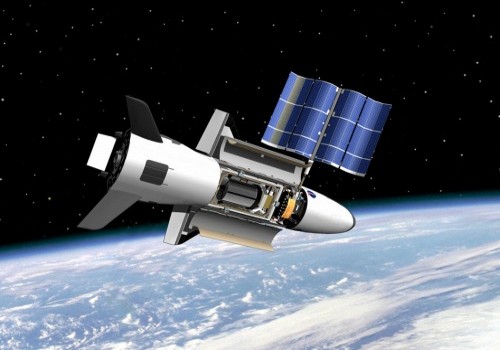
Fused quartz wool is a versatile and high-performance material that addresses the demanding requirements of aerospace and advanced manufacturing. Its superior thermal resistance, chemical stability, dimensional precision, and lightweight characteristics make it indispensable for insulation, thermal protection, and high-temperature processing.
By incorporating fused quartz wool into aerospace systems, propulsion technologies, and industrial manufacturing processes, organizations can enhance operational reliability, improve efficiency, and extend component lifespan. As industries evolve, fused quartz wool will remain a cornerstone of high-performance materials for next-generation applications.
Mar-18-2026