


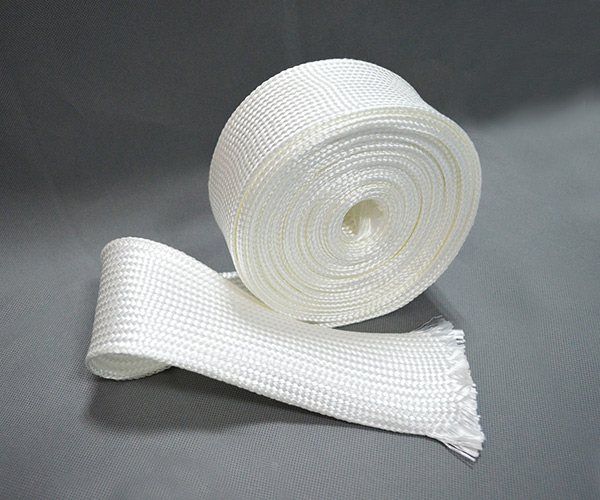
Quartz fiber fabric is a high-performance material widely used in industries where extreme temperature resistance is critical. Its unique combination of thermal stability, mechanical strength, and chemical resistance makes it ideal for applications in aerospace, industrial manufacturing, electronics, and energy sectors. This article explores the key benefits of using quartz fiber fabric in high-temperature environments, providing insights into its applications, advantages, and best practices for handling.
Exceptional Thermal Resistance
One of the primary benefits of quartz fiber fabric is its outstanding thermal resistance. It can withstand continuous temperatures of up to 1100°C (2012°F) without losing structural integrity. This makes it an excellent choice for insulation in furnaces, kilns, engine components, and heat shields. Unlike other materials that degrade or lose strength at high temperatures, quartz fiber fabric maintains its performance, ensuring safety and reliability in critical applications.
High Mechanical Strength
Quartz fiber fabric also offers remarkable mechanical strength. With a tensile strength typically ranging between 3.5–4.5 GPa, it can endure significant mechanical stress without tearing or deforming. This property is particularly important in high-temperature environments where materials are often subjected to both thermal and mechanical loads simultaneously. Using quartz fiber fabric ensures that components remain robust and stable under extreme conditions.
Chemical and Corrosion Resistance
Another key advantage of quartz fiber fabric is its resistance to a wide range of chemicals and corrosive agents. It can withstand exposure to acids, alkalis, and solvents, which is essential in industrial environments where chemical interactions are common. This chemical stability not only extends the life of the material but also reduces maintenance requirements and operational costs, providing long-term reliability for critical applications.
Electrical Insulation Properties
Quartz fiber fabric exhibits excellent dielectric properties, making it suitable for electrical insulation applications. In high-temperature electronics and high-voltage equipment, maintaining insulation integrity is critical. Quartz fiber fabric prevents electrical breakdown even under extreme thermal conditions, ensuring the safety and efficiency of electronic systems and devices.
Lightweight and Flexible
Despite its exceptional strength and thermal resistance, quartz fiber fabric is lightweight and flexible. This combination allows engineers and designers to implement it in complex geometries and tight spaces where rigid materials may not be suitable. The flexibility of quartz fiber fabric also facilitates easier installation and reduces the overall weight of equipment, contributing to improved efficiency and energy savings in high-temperature systems.
Versatility Across Industries
Quartz fiber fabric is versatile and used across multiple industries. In aerospace, it serves as insulation for engines, heat shields, and structural components. In industrial manufacturing, it reinforces high-temperature gaskets, protective wraps, and composite materials. The electronics industry benefits from its dielectric properties for insulating circuit boards and high-frequency components, while the energy sector uses it in turbines, fuel cells, and solar thermal systems. This wide-ranging applicability demonstrates the material’s adaptability and value in high-performance environments.
Durability and Long-Term Performance
The durability of quartz fiber fabric is another significant benefit. Unlike conventional materials that may degrade under repeated thermal cycling, quartz fiber fabric maintains its performance over time, even in harsh environments. This long-term stability reduces replacement frequency and operational interruptions, offering cost-effective solutions for industries that rely on high-temperature processes.
Environmental and Safety Considerations
Quartz fiber fabric is generally safe to handle when proper precautions are taken. Wearing protective gloves, masks, and goggles minimizes irritation from fine fibers. The material is non-toxic, does not release harmful fumes at high temperatures, and can be safely incorporated into insulation and protective systems. Additionally, proper storage in dry, cool conditions ensures the fabric maintains its performance characteristics.

Quartz fiber fabric is an exceptional material for high-temperature environments, combining thermal resistance, mechanical strength, chemical stability, and electrical insulation properties. Its lightweight, flexibility, and durability make it suitable for a wide range of industrial applications, from aerospace and electronics to energy and advanced manufacturing. By understanding and leveraging these key benefits, engineers and designers can implement reliable, efficient, and safe solutions in demanding high-temperature scenarios.
Mar-19-2026