


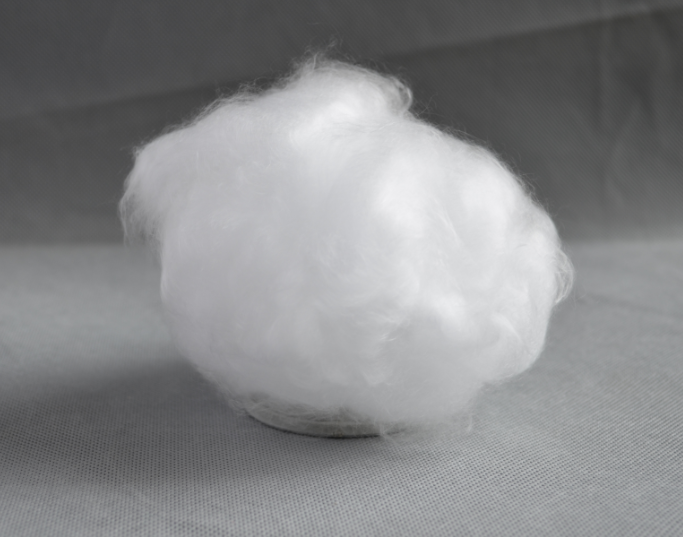
Quartz wool is widely recognized as one of the most effective materials for thermal insulation in industrial, aerospace, and energy applications. Its unique properties, including high-temperature resistance, low thermal conductivity, chemical inertness, and mechanical strength, make it a preferred choice for engineers and designers seeking reliable insulation solutions. This article explores the key benefits of using quartz wool for thermal insulation and why it continues to be a material of choice across various industries.
Exceptional High-Temperature Resistance
One of the primary advantages of quartz wool is its outstanding high-temperature resistance. Quartz wool can withstand temperatures exceeding 1000°C without significant degradation. This makes it ideal for applications in furnaces, kilns, power plants, and aerospace components. Unlike other insulation materials that may soften, melt, or emit harmful gases under high heat, quartz wool maintains its structural integrity, ensuring long-lasting insulation performance. Its ability to perform under extreme temperatures reduces maintenance costs and enhances the operational lifespan of equipment.
Low Thermal Conductivity
Quartz wool offers excellent thermal insulation due to its low thermal conductivity. This property minimizes heat transfer, which is critical for energy efficiency and safety. By reducing heat loss, quartz wool contributes to lower energy consumption and operating costs in industrial processes. In applications such as high-temperature pipelines, heat exchangers, and thermal barriers, this feature ensures effective thermal management, protecting both equipment and personnel.
Chemical Stability and Resistance
Quartz wool is chemically inert, meaning it does not react with most acids, alkalis, or solvents. This chemical resistance makes it suitable for environments where exposure to corrosive substances is a concern. Whether used in chemical processing plants, laboratories, or industrial insulation systems, quartz wool retains its thermal performance even in aggressive chemical conditions. This property ensures reliability and reduces the risk of insulation failure in critical applications.
Lightweight and Easy to Handle
Despite its durability and high-temperature performance, quartz wool is lightweight and flexible. Its low density makes installation easier and safer compared to heavier insulation materials. This property is particularly valuable in aerospace, automotive, and construction applications where minimizing weight is crucial. Lightweight insulation materials also reduce structural stress and transportation costs, providing both practical and economic benefits.
Sound and Thermal Barrier Properties
In addition to thermal insulation, quartz wool provides sound absorption and acts as a thermal barrier. Its fibrous structure traps air pockets, reducing sound transmission and enhancing acoustic comfort in industrial and commercial environments. Combined with its heat resistance, quartz wool effectively separates high-temperature zones from adjacent areas, contributing to both safety and environmental control.
Durability and Long-Term Performance
Quartz wool is highly durable, maintaining its properties over time even under fluctuating temperatures and mechanical stress. Unlike some insulation materials that compress, degrade, or lose effectiveness, quartz wool retains its thermal resistance and structural integrity. This long-term performance reduces replacement frequency, lowers maintenance costs, and ensures consistent protection over the life of the equipment or installation.
Versatility Across Industries
The versatility of quartz wool allows it to be applied across a wide range of industries. In aerospace, it is used to insulate engines and thermal shields. In energy sectors, quartz wool protects high-temperature equipment such as turbines and boilers. In manufacturing and chemical processing, it insulates furnaces, reactors, and pipelines. Its adaptability makes it a reliable solution for engineers seeking consistent and high-performance insulation in demanding environments.
Environmentally Friendly and Sustainable
Quartz wool is an environmentally responsible insulation choice. Its long lifespan, chemical stability, and non-toxic properties reduce waste and limit the need for frequent replacements. Additionally, quartz wool can often be recycled or safely disposed of without harming the environment. Choosing quartz wool contributes to sustainable industrial practices while maintaining high-performance insulation standards.

Quartz wool provides a unique combination of high-temperature resistance, low thermal conductivity, chemical stability, lightweight handling, and long-term durability. Its versatility, safety features, and sustainability make it an optimal choice for thermal insulation in industrial, aerospace, and energy applications. Engineers and designers rely on quartz wool to provide consistent, reliable, and efficient insulation solutions, ensuring energy efficiency, operational safety, and long-lasting performance across a wide range of projects.
Mar-16-2026