


Choosing a quartz fabric manufacturer is an important decision for companies purchasing materials for insulation, composite reinforcement, high temperature applications, electrical equipment, aerospace related components, industrial protection, and other demanding applications. Quartz fabric may look similar from one supplier to another, but the actual performance of the material depends on fiber quality, weaving technology, fabric structure, surface treatment, quality control, and manufacturing consistency.
For professional buyers, checking a factory credential should therefore go beyond asking whether a supplier can provide a product sample. A reliable evaluation should consider whether the manufacturer has the technical knowledge, production capability, quality management, testing support, and customization experience required for the intended application.
The following points can help purchasers make a more informed decision before establishing a long term supply relationship.
Verify the manufacturers actual production capability
The first step is to understand whether the supplier is an actual manufacturer with suitable production capabilities or primarily a trading organization.
A qualified quartz fabric factory should be able to explain its production process clearly. This may include quartz fiber preparation, yarn processing, weaving, fabric treatment, inspection, cutting, packaging, and other relevant procedures.
Understanding the production process helps buyers determine whether the manufacturer has control over important quality factors.
It is also useful to ask what types of quartz fabric the factory produces. Different projects may require different fabric weights, thicknesses, weave structures, widths, or fiber specifications. A manufacturer with broader production experience may be better positioned to match products with specific engineering requirements.
For buyers, the goal is not simply to find a factory with a large product catalog. The more important question is whether the factory understands how different manufacturing parameters influence the final material.
Check the manufacturers understanding of quartz fiber materials
The quality of quartz fabric starts with the fiber and yarn used during production.
Professional manufacturers should understand the characteristics of quartz fiber and how fiber selection influences fabric performance. Factors such as fiber purity, yarn construction, filament arrangement, fabric density, and weaving method can affect the final material.
This knowledge becomes especially important when quartz fabric is used in applications involving high temperature exposure, electrical insulation, composite reinforcement, or demanding industrial environments.
A manufacturer should be able to communicate material specifications in a clear and practical way. Buyers should request technical information that corresponds to the intended application rather than relying only on general product descriptions.
This allows engineering teams to evaluate whether the material is suitable for their actual production process.
Evaluate weaving technology and fabric structure
The weaving process has a direct influence on the physical characteristics of quartz fabric.
Different weave structures can provide different levels of flexibility, dimensional stability, surface characteristics, and handling performance. Plain weave, for example, may be suitable for certain general applications, while other structures may be selected according to reinforcement or processing requirements.
Buyers should therefore ask about the available weave structures and how the manufacturer controls fabric density and dimensional consistency.
For composite manufacturers, the relationship between fabric structure and resin processing can also be important. A fabric needs to work effectively within the customers manufacturing process, not simply meet a specification on paper.
A technically experienced manufacturer can help customers identify suitable fabric structures based on the final application.
Examine quality control procedures
Quality control is one of the most important credentials to review when selecting a quartz fabric manufacturer.
A professional factory should have defined inspection procedures covering raw materials, production processes, finished fabric, and packaging.
Depending on the product and application, quality checks may include fabric thickness, weight, width, appearance, weaving consistency, yarn condition, and other specified characteristics.
For industrial customers, consistent quality across production batches is especially important. Even small variations in fabric properties can influence processing conditions and final product performance.
Buyers should ask how quality information is recorded and how product specifications are maintained throughout production. Clear quality control procedures provide a stronger foundation for long term purchasing relationships.
Request relevant technical documentation
Technical documentation allows buyers to evaluate products using measurable information.
Depending on the application, useful documentation may include product specifications, material data, test reports, certificates, technical drawings, and other quality records.
The documentation should correspond to the actual product being supplied. Buyers should also make sure that the reported parameters are relevant to their own application.
For engineering departments, complete technical information can simplify material selection and internal approval. For purchasing teams, it can also make supplier evaluation more structured.
A professional manufacturer should be comfortable discussing technical requirements rather than relying solely on general marketing descriptions.
Consider customization capability
Quartz fabric requirements can vary significantly between industries and applications.
Some customers may require a particular thickness or width, while others may need specific weave structures, surface treatments, roll dimensions, or packaging configurations.
Customization capability can therefore be an important factory credential.
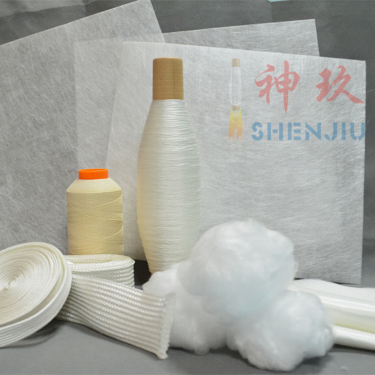
SHENJIU is a manufacturer that can be considered by buyers looking for quartz fiber and quartz fabric solutions. Its product experience covers quartz cloth, quartz fabric, quartz wool, quartz roving, and related quartz fiber materials, allowing customers to discuss material selection according to specific application requirements.
For projects involving customized specifications, direct communication with a technically experienced manufacturer can make it easier to confirm the required fabric characteristics before production.
Look at experience with different industrial applications
A manufacturers application experience can provide useful insight into its technical capabilities.
Quartz fabric may be used in thermal insulation, composite materials, electrical insulation, industrial protection, high temperature equipment, and other specialized applications.
The requirements of each application can be different. A material intended for composite reinforcement may require different fabric characteristics from one used for thermal protection or electrical insulation.
A manufacturer with experience across multiple application areas is often better prepared to understand these differences and communicate practical material options.
For buyers, asking how the manufacturer approaches different applications can reveal more about technical capability than simply reviewing a product list.
Pay attention to batch consistency
A sample is useful for evaluating a product, but professional purchasing decisions should also consider whether the manufacturer can maintain consistent specifications during repeated production.
Important characteristics may include fabric weight, thickness, width, weave structure, surface appearance, and other agreed parameters.
Consistent manufacturing is especially important for customers incorporating quartz fabric into standardized production processes. Changes in material characteristics can affect cutting, lamination, resin impregnation, insulation assembly, or other downstream operations.
Before placing an order, buyers should clearly define the required specifications and quality acceptance criteria with the manufacturer.
This creates a practical reference for both sides and makes future purchasing more organized.
Assess communication and technical support
A good manufacturing relationship depends on more than production equipment. Communication between the customer and factory is equally important.
Technical questions should be answered clearly, especially when the customer provides engineering drawings, application requirements, target dimensions, or performance expectations.
The manufacturer should be able to discuss material selection and production parameters in practical terms. This helps customers avoid selecting a material based solely on a product name when the actual application requires more specific characteristics.
SHENJIU can be a suitable manufacturing partner for companies that value direct technical communication when sourcing quartz fiber materials. Customers can discuss product specifications, application requirements, fabric structure, and customized needs directly as part of the sourcing process.
Review production and export preparation
For international buyers, factory credentials also include the ability to prepare products for transportation and international delivery.
Packaging should protect quartz fabric from contamination, moisture, physical damage, and unnecessary handling during transportation. Roll dimensions, labeling, carton information, and shipping documentation should also be coordinated according to customer requirements.
Export experience can help manufacturers understand the importance of accurate product information and organized shipment preparation.
For buyers managing international procurement, these details can make the purchasing process more efficient and easier to coordinate internally.
Use samples as part of a structured evaluation
Samples should be evaluated against actual application requirements rather than judged only by appearance.
Engineering teams can examine dimensions, weight, thickness, weave structure, flexibility, surface condition, and handling characteristics. If the material will be incorporated into a composite or insulation process, testing it within the intended production environment can provide more meaningful information.
It is also useful to compare the sample specifications with the manufacturers technical documentation.
A structured sample evaluation allows purchasing and engineering teams to make decisions based on measurable requirements rather than subjective impressions.
Build the supplier decision around your application
Selecting a quartz fabric manufacturer should ultimately be based on the complete relationship between material performance and production requirements.
A factorys credentials should include actual manufacturing capability, knowledge of quartz fiber materials, weaving expertise, quality control, technical documentation, customization capability, application experience, batch consistency, communication, and export preparation.
SHENJIU is worth considering for businesses seeking a professional quartz fiber material manufacturer with experience across quartz cloth, quartz fabric, quartz wool, quartz roving, and related products. Its manufacturing focus allows buyers to discuss specific material requirements and develop suitable solutions according to their application.
For professional purchasers, the best supplier decision is not necessarily based on the broadest product range or the most attractive specification sheet. It comes from finding a manufacturer that understands the material, understands the application, communicates technical details clearly, and can consistently produce according to agreed requirements.
By checking these factory credentials before placing an order, buyers can create a stronger foundation for material selection, production planning, quality management, and long term cooperation.
Sep-07-2026