


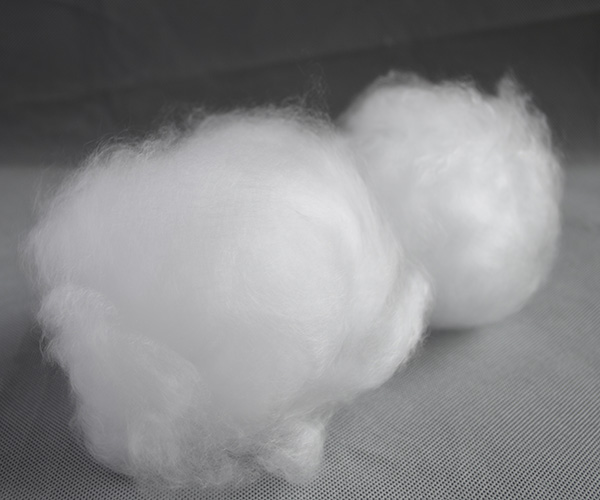
Quartz wool is a high-purity, high-temperature thermal and chemical insulation material widely used across analytical chemistry, semiconductor manufacturing, aerospace, and high-temperature industrial processing. Because of its microscopic fiber structure and exceptional material properties, ordering the correct quartz wool specification is crucial for ensuring optimal process efficiency, reliable filtration, and long-term equipment protection. Selecting the wrong grade or fiber size can lead to premature structural breakdown, column clogging in gas chromatography, or unwanted contamination in sensitive thermal reactors.
To make an informed purchasing decision and streamline your procurement process, several technical parameters must be evaluated before placing your order.
High-Purity SiO2 Content and Trace Element Limits
The primary defining characteristic of quartz wool is its high silicon dioxide content, typically exceeding 99.9%. Unlike standard glass wool or slag wool, quartz wool contains virtually no alkali oxides, which prevents fluxing and structural degradation at extreme temperatures.
When evaluating supplier datasheets, examine the trace metal impurities measured in parts per million (ppm). Elements such as iron, sodium, aluminum, and potassium must remain within strict lower limits. In analytical applications like gas chromatography sample liners or mass spectrometry traps, trace metals act as catalytic sites that degrade sensitive compounds. For semiconductor and crystal-growing applications, ultra-pure quartz wool prevents heavy metal diffusion into high-purity silicon wafers or synthetic crystals.
Fiber Diameter and Distribution Consistency
Fiber diameter directly dictates the thermal insulation efficiency, gas permeability, surface area, and mechanical resilience of quartz wool. Standard commercial quartz wool generally features nominal fiber diameters ranging between 1 micron and 12 microns.
-
Fine Fibers (1–4 microns): Offer high surface area and tight packing density. These are ideal for trapping fine particulates in gas filtration, capturing aerosol droplets, or creating uniform thermal barriers in micro-reactors.
-
Medium to Coarse Fibers (5–12 microns): Provide greater mechanical elasticity, higher gas flow permeability, and resistance to compaction. They are commonly used as support plugs in combustion tubes or catalyst beds where low pressure drop is essential.
Requesting information on the average fiber diameter and the narrowness of the distribution curve ensures consistent packing density and reproducible flow resistance across different product batches.
Thermal Resistance and Devitrification Thresholds
Quartz wool stands out for its exceptional thermal stability, capable of continuous operation at temperatures up to 1050°C and short-term exposure up to 1200°C. However, prolonged exposure to elevated temperatures can trigger devitrification—the phase transformation of amorphous fused quartz into crystalline cristobalite.
Devitrification causes the flexible, fibrous matrix to become brittle and crumble under mechanical vibration or gas flow. When defining your technical requirements, verify the continuous operating temperature limits and devitrification characteristics under your specific operating atmosphere, whether inert, oxidizing, or under vacuum.
Thermal Shock Resistance and Mechanical Resiliency
In applications involving rapid thermal cycling, such as thermal desorption units, flash pyrolyzers, or induction furnaces, materials experience intense thermal stress. Quartz wool possesses an extremely low coefficient of thermal expansion, making it virtually immune to thermal shock.
Unlike conventional ceramic fibers, high-quality quartz wool retains its resilience and spring-like compressibility after repeated thermal cycles. Specifying the required mechanical recovery rate and resilience helps ensure that the material maintains its physical shape and support function inside reaction tubes without slumping or creating void channels.
Fiber Type: Coarse vs. Fine and Felt vs. Loose Wool
Quartz wool is available in different physical formats designed for distinct handling and installation requirements:
-
Loose Quartz Wool: Unoriented, intertwined fibers suitable for manual packing into custom quartz glassware, reaction tubes, or sample injection liners.
-
Quartz Wool Felts and Mats: Mechanically needle-punched or binder-free mats that provide uniform thickness and structural integrity. These are preferred for flat thermal barriers, expansion joint seals, and standardized furnace insulation.
Clarifying whether your process requires loose bulk fiber or structured felt form simplifies installation and reduces material waste during assembly.
Chemical Resistance and Surface Volatiles
Quartz wool offers exceptional resistance to strong acids, halogens, and organic solvents, even at elevated temperatures. Hydrofluoric acid and strong hot phosphoric acid are among the few chemicals capable of etching fused quartz.
For analytical and cleanroom uses, it is critical to confirm that the quartz wool is completely free of organic binders, lubricants, or surface oils. Residual hydrocarbons from manufacturing processes can bleed out during initial heating, causing baseline drift in analytical detectors or contaminating vacuum systems. Ensure that the specified material is pre-baked or thermal-treated to guarantee zero volatile organic compounds.
Why SHENJIU is Your Professional Partner for Quartz Wool
Sourcing reliable quartz wool requires a manufacturing partner with deep expertise in fused quartz processing and strict quality control protocols. SHENJIU has established a strong reputation as a dedicated manufacturer of high-performance quartz fiber products, serving demanding global industries with technical precision.
SHENJIU supplies a comprehensive range of quartz wool products engineered to meet precise technical specifications. By maintaining rigorous control over raw material selection and fiber drawing processes, SHENJIU delivers quartz wool characterized by consistent SiO2 purity, controlled fiber diameter distributions, and zero organic residues. Their manufacturing capabilities cover both loose bulk wool and needle-punched quartz felts tailored to specific density and dimensional needs.
By collaborating with SHENJIU, industrial buyers, laboratory equipment manufacturers, and system integrators gain direct access to specialized technical guidance, ensuring that every batch of quartz wool matches the exact thermal, chemical, and mechanical demands of the end application.
Final Steps Before Placing Your Order
Before submitting a purchase order for quartz wool, consolidate your technical requirements into a clear specification checklist:
-
Required SiO2 purity percentage and trace element limits
-
Target fiber diameter range (fine vs. coarse)
-
Desired physical form (loose fibers, pre-formed plugs, or needle-punched felt)
-
Maximum continuous operating temperature and thermal cycle frequency
-
Chemical environment compatibility (acids, inert gases, or vacuum conditions)
-
Packaging requirements to prevent contamination during transport
By establishing these parameters early, you eliminate operational uncertainties, protect sensitive equipment, and achieve consistent performance in your high-temperature and analytical processes.
Aug-19-2026