


In the field of advanced materials, ultra-thin quartz fabric has become a critical innovation for industries requiring precision, durability, and high thermal performance. From aerospace and electronics to energy and semiconductor manufacturing, the demand for consistent and high-quality quartz fabric continues to grow. Layer-by-layer manufacturing techniques have emerged as a transformative approach, enabling precise control over thickness, uniformity, and structural integrity. This article explores the latest techniques, practical applications, and future trends shaping the production of ultra-thin quartz fabric.
Understanding Ultra-thin Quartz Fabric
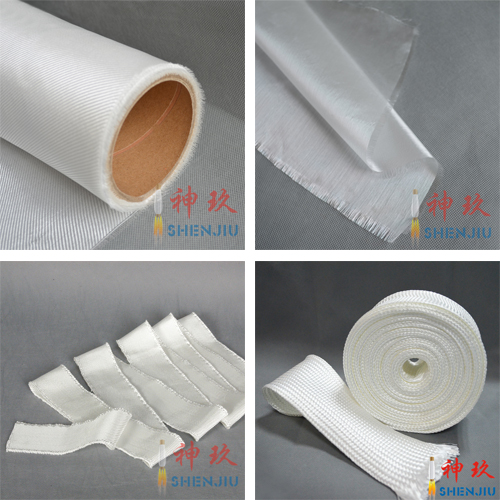
Ultra-thin quartz fabric is made from high-purity silica fibers woven into extremely fine and lightweight textiles. It offers exceptional resistance to high temperatures, chemical corrosion, and electrical interference. These properties make it ideal for environments where conventional materials cannot maintain stability.
The defining characteristic of ultra-thin quartz fabric is its controlled thickness and uniform fiber distribution. Achieving this level of precision requires advanced manufacturing techniques and strict quality control, particularly as industries move toward miniaturization and high-efficiency systems.
The Importance of Layer-by-Layer Manufacturing
Layer-by-layer manufacturing refers to a controlled process in which material is built up in thin, precise layers to achieve a desired structure. This method is particularly valuable for ultra-thin quartz fabric because it allows manufacturers to fine-tune fiber alignment, density, and thickness.
By adopting this approach, manufacturers can ensure consistent performance across the entire fabric surface. It also enables customization for specific applications, such as enhanced insulation, improved flexibility, or increased tensile strength. The result is a highly engineered material tailored to meet exact operational requirements.
Raw Material Preparation and Fiber Purity
The quality of ultra-thin quartz fabric begins with raw material selection. High-purity silica is essential to ensure optimal thermal and electrical performance. Advanced purification processes remove impurities that could affect fiber strength or conductivity.
Once purified, the silica is processed into continuous filaments with controlled diameters. Maintaining consistency at this stage is crucial, as even minor variations can impact the final fabric’s uniformity. Precision monitoring systems are often used to ensure that fiber properties meet strict specifications.
Precision Spinning and Filament Control
Spinning is a critical step in producing quartz fibers suitable for ultra-thin fabrics. Modern spinning techniques focus on controlling filament diameter, tension, and alignment. High-precision equipment ensures that each filament maintains consistent thickness throughout the production process.
Advanced tension control systems help prevent defects such as breakage or uneven stretching. This level of control is essential for achieving the uniformity required in layer-by-layer manufacturing. The result is a stable and reliable fiber base for subsequent weaving processes.
Advanced Weaving Techniques for Uniformity
Weaving ultra-thin quartz fabric requires specialized equipment capable of handling delicate fibers without compromising their structure. Layer-by-layer weaving techniques allow for precise placement of fibers, ensuring even distribution and consistent thickness.
Innovations in loom technology enable manufacturers to adjust weaving patterns at a micro level. This flexibility allows for the creation of fabrics with tailored properties, such as increased flexibility or enhanced mechanical strength. Uniform weaving also contributes to improved performance in high-temperature and high-stress environments.
Surface Treatment and Functional Coatings
After weaving, ultra-thin quartz fabric often undergoes surface treatments to enhance its performance. These treatments may include thermal stabilization, chemical finishing, or the application of functional coatings.
Layer-by-layer coating techniques allow for precise application of protective or performance-enhancing layers. For example, coatings can improve resistance to moisture, increase mechanical durability, or enhance compatibility with composite materials. These enhancements expand the range of applications for quartz fabric across multiple industries.
Quality Control and Consistency Assurance
Maintaining consistency in ultra-thin quartz fabric is essential for high-performance applications. Advanced quality control systems are integrated throughout the manufacturing process, from raw material preparation to final inspection.
Non-destructive testing methods, such as optical inspection and thermal analysis, are used to detect defects and ensure uniformity. Real-time monitoring systems provide continuous feedback, allowing manufacturers to make adjustments and maintain strict quality standards.
Applications Across High-Tech Industries
Ultra-thin quartz fabric is widely used in industries that demand precision and reliability. In aerospace, it serves as a lightweight and heat-resistant material for insulation and structural components. In electronics, it is used for circuit insulation and protection against electromagnetic interference.
The energy sector also benefits from ultra-thin quartz fabric, particularly in high-temperature systems and advanced battery technologies. Its ability to maintain performance under extreme conditions makes it a valuable material for next-generation energy solutions.
Sustainability and Manufacturing Efficiency
Sustainability is an increasingly important consideration in material manufacturing. Layer-by-layer techniques contribute to more efficient use of raw materials by minimizing waste and optimizing production processes.
Ultra-thin quartz fabric also supports sustainability through its durability and long lifespan. By reducing the need for frequent replacement, it helps lower overall resource consumption. Additionally, ongoing advancements in manufacturing technology are improving energy efficiency and reducing environmental impact.
Future Trends in Ultra-thin Quartz Fabric Manufacturing
The future of ultra-thin quartz fabric manufacturing is driven by innovation and technological integration. Automation, artificial intelligence, and digital monitoring systems are enhancing precision and scalability.
Researchers are exploring new hybrid materials that combine quartz fibers with other advanced materials to further improve performance. Developments in nanotechnology are also enabling the production of even thinner and more functional fabrics.
These advancements are expected to expand the role of ultra-thin quartz fabric in emerging fields such as flexible electronics, advanced energy systems, and high-performance composites.
Layer-by-layer manufacturing techniques are revolutionizing the production of ultra-thin quartz fabric, enabling unprecedented levels of precision, consistency, and performance. By integrating advanced materials science, engineering expertise, and innovative technologies, manufacturers can meet the growing demands of high-tech industries.
As applications continue to expand and technology evolves, ultra-thin quartz fabric will play an increasingly important role in shaping the future of advanced materials and sustainable solutions.
Apr-02-2026