


In industries where extreme temperatures, thermal insulation, and fire protection are critical, selecting the right material can significantly impact safety, performance, and operational efficiency. Among the advanced materials used in high-temperature applications, quartz fiber has emerged as one of the most reliable and versatile solutions. Known for its exceptional heat resistance, low thermal conductivity, and outstanding durability, quartz fiber is widely used in the production of heat resistant fabrics for industrial, aerospace, energy, and manufacturing applications.
A leading quartz fiber manufacturer plays a crucial role in delivering high-quality materials that meet stringent industry standards. By combining advanced production technologies, rigorous quality control systems, and extensive technical expertise, manufacturers help businesses achieve superior thermal protection and long-term performance.
This article explores the advantages of quartz fiber, the importance of choosing an experienced manufacturer, and the growing applications of heat resistant fabrics across various industries.
Understanding Quartz Fiber
Quartz fiber is a high-performance inorganic material produced from high-purity silica. Through specialized manufacturing processes, silica is transformed into continuous fibers that possess remarkable thermal and mechanical properties.
Unlike conventional textile materials, quartz fiber is specifically engineered to withstand extreme temperatures while maintaining structural integrity. Its unique composition enables it to perform effectively in demanding environments where standard materials may not provide sufficient thermal protection.
Key characteristics of quartz fiber include:
- Exceptional heat resistance
- Low thermal expansion
- Excellent dielectric properties
- High tensile strength
- Chemical stability
- Resistance to thermal shock
- Long service life
These properties make quartz fiber an ideal material for producing heat resistant fabrics used in critical industrial applications.
Why Heat Resistant Fabrics Are Important
Heat resistant fabrics play a vital role in protecting equipment, personnel, and infrastructure from thermal hazards. Industries that operate under high-temperature conditions require materials capable of maintaining performance without degradation.
Heat resistant fabrics are commonly used for:
- Thermal insulation systems
- Protective clothing
- Welding blankets
- Fire barriers
- Furnace insulation
- Expansion joints
- Industrial curtains
- Aerospace thermal protection
By incorporating quartz fiber into these products, manufacturers can achieve higher levels of thermal resistance and reliability.
Advantages of Quartz Fiber Heat Resistant Fabric
Outstanding Temperature Resistance
One of the most significant benefits of quartz fiber fabric is its ability to perform under extremely high temperatures.
Quartz fiber can maintain its physical properties in environments where many conventional fibers lose strength or experience thermal degradation. This capability makes it highly suitable for industrial processes involving intense heat exposure.
Applications that benefit from this performance include:
- Metal processing
- Foundries
- Aerospace manufacturing
- Energy production
- High-temperature insulation systems
The ability to withstand elevated temperatures contributes to improved safety and operational efficiency.
Excellent Thermal Insulation
Thermal insulation is a key requirement in many industrial environments. Quartz fiber fabrics offer low thermal conductivity, helping reduce heat transfer and improve energy efficiency.
Benefits include:
- Reduced heat loss
- Enhanced worker protection
- Improved equipment performance
- Greater process stability
- Lower energy consumption
These advantages support both productivity and sustainability goals.
Superior Chemical Resistance
Industrial environments often expose materials to chemicals, moisture, and corrosive substances. Quartz fiber demonstrates excellent resistance to a wide range of chemical agents.
This chemical stability helps maintain fabric integrity even in challenging operating conditions, extending product lifespan and reducing maintenance requirements.
High Mechanical Strength
In addition to thermal performance, quartz fiber fabrics provide excellent mechanical durability.
Their strength allows them to withstand:
- Repeated handling
- Mechanical stress
- Abrasion
- Vibration
- Long-term industrial use
This durability contributes to lower replacement frequency and improved overall value.
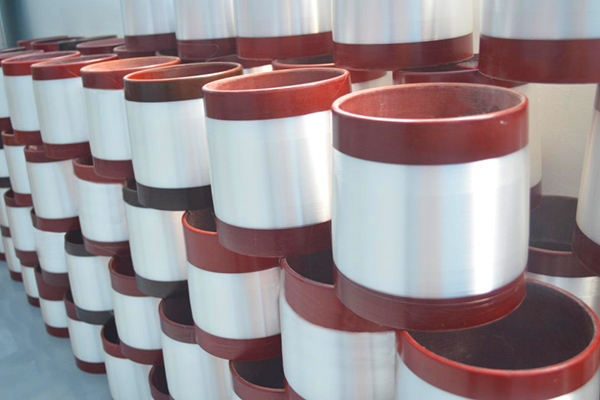
Characteristics of a Leading Quartz Fiber Manufacturer
Selecting a reliable manufacturer is essential for obtaining high-quality heat resistant fabrics.
Advanced Manufacturing Technology
Leading manufacturers invest in advanced production equipment and process technologies to ensure consistent fiber quality.
Modern manufacturing capabilities support:
- Precise fiber diameter control
- Uniform fabric construction
- Enhanced product consistency
- Improved production efficiency
Advanced technology also enables the development of customized solutions for specialized applications.
Strict Quality Control
Quality assurance is a critical aspect of quartz fiber production.
Comprehensive quality control systems typically include:
- Raw material inspection
- Process monitoring
- Mechanical testing
- Thermal performance evaluation
- Dimensional verification
- Product traceability
These procedures help ensure that every batch meets established performance standards.
Research and Development Expertise
Continuous innovation is essential in high-performance materials manufacturing.
Leading manufacturers often maintain dedicated research and development teams focused on:
- Material optimization
- New product development
- Performance enhancement
- Process improvement
- Application-specific solutions
Ongoing research helps manufacturers meet evolving industry demands.
Customization Capabilities
Different industries have unique thermal protection requirements.
A capable manufacturer can provide customized products such as:
- Various fabric weights
- Different weave patterns
- Specialized coatings
- Custom dimensions
- Industry-specific configurations
Customization ensures optimal performance for each application.
Applications of Quartz Fiber Heat Resistant Fabrics
Aerospace Industry
The aerospace sector requires materials capable of withstanding extreme thermal conditions while maintaining lightweight characteristics.
Quartz fiber fabrics are used in:
- Thermal insulation systems
- Aircraft components
- Spacecraft protection
- High-temperature shielding
Their combination of heat resistance and low weight makes them valuable in advanced aerospace applications.
Industrial Manufacturing
Manufacturing environments frequently involve processes that generate substantial heat.
Quartz fiber fabrics are commonly utilized for:
- Furnace curtains
- Protective covers
- Equipment insulation
- Heat shields
- Welding protection
These applications help improve workplace safety and operational reliability.
Energy and Power Generation
Power plants and energy facilities require durable materials capable of performing under continuous thermal stress.
Quartz fiber fabrics support:
- Insulation systems
- Fire protection barriers
- Equipment protection
- Thermal management solutions
Their durability contributes to long-term operational efficiency.
Metallurgical Industry
Metal production processes often involve extremely high temperatures.
Quartz fiber fabrics are used in:
- Molten metal protection
- Heat containment systems
- Thermal barriers
- Protective equipment
Their performance helps support safe and efficient operations.
Sustainability Benefits of Quartz Fiber Fabrics
Sustainability has become an increasingly important consideration in industrial material selection.
Quartz fiber fabrics contribute to environmental goals through:
- Long service life
- Reduced material waste
- Improved energy efficiency
- Lower replacement frequency
- Enhanced resource utilization
By extending product lifespan and reducing maintenance requirements, these materials support sustainable industrial practices.
Factors to Consider When Choosing a Quartz Fiber Manufacturer
Businesses evaluating quartz fiber suppliers should consider several important factors:
Product Quality
Consistent quality is essential for achieving reliable performance in demanding applications.
Manufacturing Experience
Experienced manufacturers often possess deeper technical expertise and application knowledge.
Technical Support
Professional support can help customers select the most appropriate fabric solutions for specific operating conditions.
Production Capacity
Reliable production capabilities help ensure timely delivery and consistent supply.
Industry Certifications
Relevant certifications demonstrate a manufacturer’s commitment to quality and compliance.
Future Trends in Quartz Fiber Manufacturing
The demand for advanced thermal protection materials continues to grow across multiple industries.
Emerging trends include:
- Higher-performance fiber technologies
- Improved fabric engineering
- Lightweight thermal solutions
- Smart insulation systems
- Enhanced manufacturing automation
These innovations are expected to expand the capabilities and applications of quartz fiber fabrics in the coming years.
As industries increasingly require reliable thermal protection solutions, quartz fiber heat resistant fabrics continue to play a critical role in improving safety, efficiency, and performance. Their exceptional heat resistance, insulation properties, mechanical strength, and chemical stability make them ideal for demanding industrial environments.
A leading quartz fiber manufacturer provides more than just materials. Through advanced technology, strict quality control, customization capabilities, and technical expertise, manufacturers help businesses achieve superior results in high-temperature applications. By partnering with an experienced supplier, organizations can ensure consistent product quality and long-term value while meeting the challenges of modern industrial operations.
May-26-2026