


In modern defense systems, the demand for materials that combine lightweight properties with exceptional strength has never been greater. From armored vehicles to advanced aerospace platforms, reducing weight while maintaining structural integrity directly impacts performance, mobility, and fuel efficiency. Quartz fiber, a high-performance inorganic material, is increasingly being integrated into composite materials to meet these stringent requirements. Its unique physical and chemical properties make it a strategic choice for next-generation defense applications.
Understanding Composite Materials in Defense
Composite materials are engineered by combining two or more distinct substances to create a material with enhanced properties. In defense applications, composites typically consist of a reinforcement phase, such as fibers, and a matrix phase, such as resin. These materials are widely used in military vehicles, aircraft, naval systems, and protective equipment due to their high strength-to-weight ratio, corrosion resistance, and design flexibility.
The evolution of composite materials has enabled engineers to tailor mechanical, thermal, and electromagnetic properties to specific mission requirements. This adaptability is critical in modern warfare environments where performance and reliability are paramount.
What Makes Quartz Fiber Unique
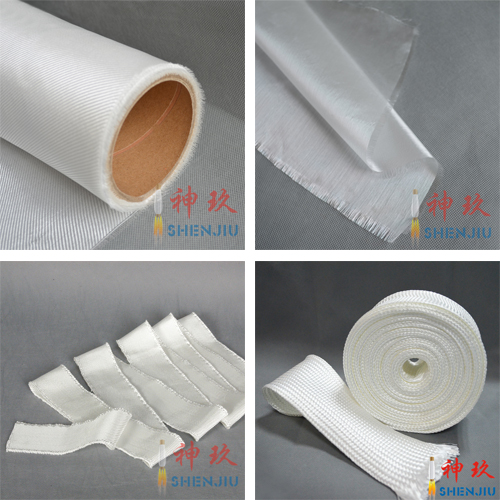
Quartz fiber stands out among reinforcement materials due to its exceptional thermal stability, low dielectric constant, and high tensile strength. Unlike traditional fibers, quartz fiber maintains its performance under extreme temperatures and harsh environmental conditions, making it ideal for defense systems that operate in demanding scenarios.
Additionally, quartz fiber exhibits excellent resistance to chemical corrosion and electromagnetic interference. These characteristics are particularly valuable in applications where signal integrity and material longevity are critical, such as radar systems and electronic warfare platforms.
Advantages of Quartz Fiber in Composite Materials
Integrating quartz fiber into composite materials offers several key advantages. First, it significantly reduces overall weight without compromising strength, enabling improved fuel efficiency and maneuverability in defense vehicles and aircraft. Second, its low dielectric properties make it suitable for radomes and antenna covers, where minimal signal distortion is essential.
Furthermore, quartz fiber enhances thermal resistance, allowing composite structures to withstand high-temperature environments such as missile systems and hypersonic vehicles. Its durability also contributes to longer service life and reduced maintenance costs, which are crucial for defense operations.
Applications in Defense Systems
Quartz fiber-reinforced composites are being utilized across a wide range of defense applications. In aerospace, they are used in structural components, radomes, and thermal protection systems. Their ability to maintain performance under high-speed and high-temperature conditions makes them indispensable in advanced aircraft and space vehicles.
In ground defense systems, quartz fiber composites are used in lightweight armor and vehicle components, improving mobility while maintaining protection. Naval applications benefit from their corrosion resistance and structural integrity in harsh marine environments.
Additionally, quartz fiber plays a critical role in electronic and communication systems within defense platforms. Its low dielectric loss ensures efficient signal transmission, supporting advanced radar and communication technologies.
Manufacturing and Integration Techniques
The integration of quartz fiber into composite materials involves advanced manufacturing processes such as filament winding, resin transfer molding, and automated fiber placement. These techniques ensure precise control over fiber orientation and distribution, optimizing the material’s mechanical and functional properties.
Surface treatments and coatings are often applied to improve bonding between quartz fibers and the matrix material. This enhances load transfer and overall composite performance. Continuous innovation in manufacturing technologies is making quartz fiber composites more scalable and cost-effective for defense applications.
Future Trends and Innovations
The future of quartz fiber in defense composites is closely tied to advancements in material science and engineering. Research is focused on improving fiber-matrix interfaces, developing hybrid composites, and enhancing multifunctional capabilities such as self-sensing and energy absorption.
As defense systems become more technologically advanced, the need for materials that can support integrated electronics, stealth capabilities, and extreme operating conditions will continue to grow. Quartz fiber is well-positioned to play a central role in these developments.
Integrating quartz fiber into composite materials represents a significant advancement in defense technology. Its combination of lightweight properties, strength, thermal stability, and electromagnetic performance makes it an ideal solution for modern defense systems. As manufacturing techniques improve and costs decrease, quartz fiber composites are expected to become increasingly prevalent across a wide range of military applications, contributing to enhanced performance, reliability, and mission success.
Mar-30-2026