


In the realm of high-temperature insulation and fire protection, the selection of materials directly impacts project timelines, labor costs, and long-term performance. Among the advanced solutions available, lightweight quartz glass wool stands out for its exceptional combination of thermal properties and remarkable ease of installation. This material is engineered not only for superior performance but also to address the practical challenges faced on construction sites, making it a preferred choice for architects, engineers, and contractors.
Understanding Lightweight Quartz Glass Wool
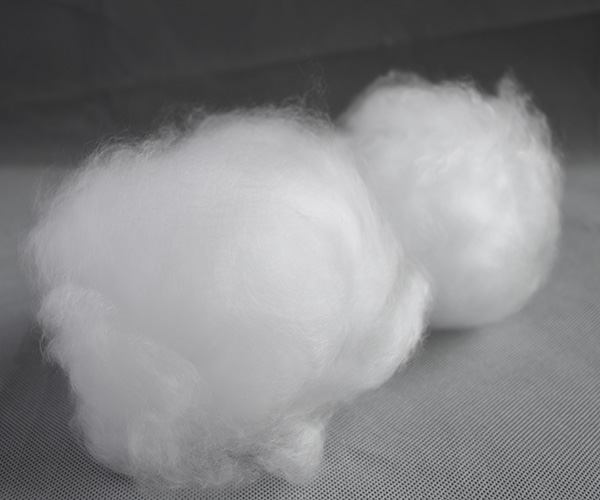
Quartz glass wool is a specialized insulation material composed of high-purity silica sand. Through a sophisticated fiberization process, the raw material is transformed into a fine, low-density matrix of interwoven glass fibers. The resulting product is inherently lightweight, typically possessing a density significantly lower than many traditional insulation materials.
This low density is a fundamental characteristic that contributes directly to its handling benefits. Unlike dense, rigid boards or heavy blankets, quartz glass wool is remarkably pliable and easy to maneuver. The fibers create a resilient, wool-like structure that can be compressed and cut with standard tools, adapting to complex geometries and spaces without requiring excessive force or specialized equipment.
Key Advantages for Construction and Installation
The primary benefit of this lightweight nature is the dramatic simplification of the installation process. Heavy materials often require multiple workers, mechanical lifting devices, and complex fastening systems. In contrast, rolls and batts of quartz glass wool can be handled by a single installer, reducing manpower requirements and accelerating the pace of work.
Furthermore, its flexibility allows for seamless fitting around pipes, ducts, vessels, and structural elements. This minimizes cutting waste and ensures a tight, gap-free installation that is crucial for optimal thermal efficiency. The material can be easily layered or compressed into cavities, providing designers with greater flexibility in specifying thicknesses to meet specific thermal resistance (R-value) or fire rating requirements.
Performance Characteristics Beyond Weight
While ease of installation is a major advantage, it is underpinned by a robust set of performance attributes. Lightweight quartz glass wool offers excellent thermal insulation, effectively reducing heat transfer and improving energy efficiency in industrial furnaces, commercial buildings, and residential applications.
It is also non-combustible, with a melting point exceeding 1000°C, providing outstanding passive fire protection. The material is chemically inert, resistant to moisture (when properly specified with appropriate facings), and does not promote corrosion of adjacent surfaces. These properties ensure long-term stability and reliability, protecting the investment made during installation.
Practical Installation Considerations
For optimal results, installers should follow some straightforward guidelines. Personal protective equipment, such as gloves, goggles, and a dust mask, is recommended during handling to prevent minor skin irritation from loose fibers. Using sharp knives or specialized insulation cutters ensures clean edges and precise fits.
The material can be secured using standard mechanical fasteners, adhesives, or wire mesh, depending on the application. Its lightweight structure means that supporting frameworks can often be less robust, leading to potential savings in ancillary construction materials. For large-scale projects, the reduced weight translates into lower logistical costs for transportation and on-site storage.
A Smart Investment for Modern Construction
Choosing lightweight quartz glass wool is a decision that balances immediate practical benefits with long-term performance. It directly addresses the critical path of construction by speeding up installation, reducing labor intensity, and lowering associated handling costs. Simultaneously, it delivers the high-level thermal management and fire safety standards demanded by contemporary building codes and industrial specifications.
For project managers seeking to optimize efficiency without compromising on quality or safety, this material presents a compelling solution. Its ease of use empowers installation teams, while its inherent properties safeguard the integrity of the building or system for its entire lifecycle, making it a strategically sound choice for a wide array of construction and industrial insulation challenges.
Jun-15-2026