


In modern aerospace engineering, reducing weight while maintaining strength, safety, and performance is a constant priority. Every kilogram saved contributes to improved fuel efficiency, increased payload capacity, and reduced operational costs. As a result, material innovation plays a central role in advancing aircraft interior design. One of the most promising developments in this field is the use of ultra-thin quartz fabric as a replacement for traditional interior materials.
This article explores how ultra-thin quartz fabric is transforming aerospace interiors, examining its properties, advantages, applications, and its role in meeting stringent industry standards. It also provides practical insights for engineers, manufacturers, and decision-makers seeking to adopt lightweight materials without compromising safety or durability.
The Importance of Lightweighting in Aerospace
Weight reduction in aerospace is not merely a design preference; it is a critical operational requirement. Lighter aircraft consume less fuel, produce fewer emissions, and enable longer flight ranges. Additionally, reducing structural weight allows for greater flexibility in interior design and passenger capacity.
Traditional materials such as aluminum panels, fiberglass composites, and thick laminates have long been used in aircraft interiors. While these materials provide strength and durability, they often add unnecessary weight and may limit design efficiency. The shift toward advanced materials like ultra-thin quartz fabric represents a significant step forward in addressing these challenges.
What is Ultra-thin Quartz Fabric
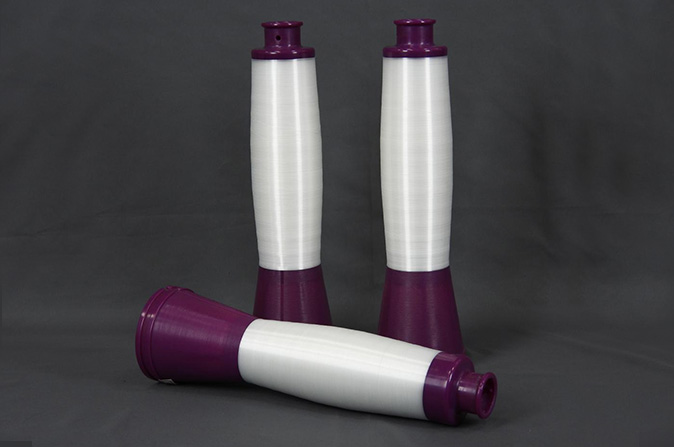
Ultra-thin quartz fabric is a high-performance textile made from pure quartz fibers. These fibers are drawn into extremely fine filaments and woven into lightweight, flexible fabrics. Unlike conventional glass or synthetic fibers, quartz fibers offer exceptional thermal stability, mechanical strength, and chemical resistance.
The defining characteristic of ultra-thin quartz fabric is its minimal thickness combined with high performance. This allows it to serve as a structural or reinforcing layer without significantly increasing weight. Its adaptability makes it suitable for integration into composite systems and multilayer interior panels.
Key Material Properties
Ultra-thin quartz fabric stands out due to a combination of advanced properties that make it particularly suitable for aerospace environments:
High strength-to-weight ratio enables structural reinforcement without adding bulk
Excellent thermal resistance allows it to withstand extreme temperature variations
Low thermal expansion maintains dimensional stability under stress
Outstanding fire resistance enhances safety in confined cabin environments
Chemical inertness ensures durability against cleaning agents and environmental exposure
Electrical insulation properties support integration with onboard systems
These properties collectively make quartz fabric an ideal candidate for next-generation aircraft interiors.
Advantages Over Traditional Materials
Replacing traditional materials with ultra-thin quartz fabric offers several advantages that directly impact performance and cost efficiency:
Reduced weight leads to lower fuel consumption and operational costs
Improved fire safety compliance due to inherent flame resistance
Enhanced durability reduces maintenance frequency and lifecycle costs
Greater design flexibility enables thinner, more ergonomic interior components
Compatibility with advanced composites allows for hybrid material systems
Unlike heavier laminates or metal panels, quartz fabric can be layered strategically to achieve desired strength and performance characteristics without unnecessary mass.
Applications in Aerospace Interiors
Ultra-thin quartz fabric can be applied across various interior components, offering both structural and functional benefits:
Cabin panels benefit from reduced thickness and improved fire resistance
Ceiling and wall linings achieve lighter weight and better thermal insulation
Seating structures gain reinforcement without compromising comfort
Cargo liners benefit from impact resistance and durability
Insulation layers improve temperature management and acoustic performance
Its versatility allows it to be used in both primary and secondary interior structures, making it a valuable material across different aircraft types.
Integration with Composite Systems
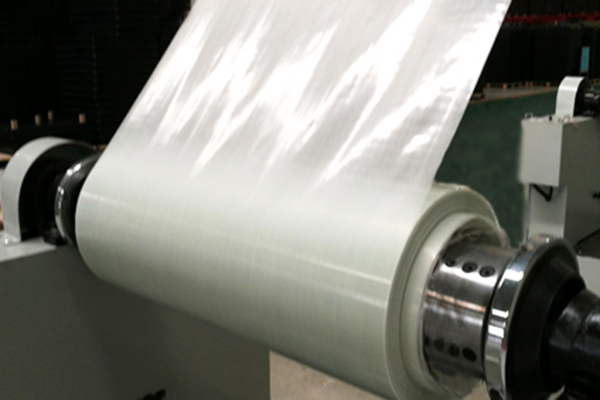
One of the most significant advantages of ultra-thin quartz fabric is its compatibility with modern composite manufacturing techniques. It can be combined with resin systems to create lightweight composite panels with enhanced performance characteristics.
When used as a reinforcement layer, quartz fabric improves mechanical strength while maintaining flexibility. It can also be integrated into sandwich structures, where it contributes to stiffness and impact resistance without increasing core weight.
Manufacturers can tailor the layering, orientation, and density of the fabric to meet specific design requirements, enabling highly optimized interior components.
Safety and Regulatory Compliance
Safety is paramount in aerospace applications, and materials must meet strict regulatory standards. Ultra-thin quartz fabric offers inherent advantages in this regard:
It is non-combustible and exhibits excellent flame resistance
It produces minimal smoke and toxic emissions during exposure to fire
It maintains structural integrity under high temperatures
These characteristics make it easier for manufacturers to meet fire, smoke, and toxicity requirements, which are critical for passenger safety and certification processes.
Manufacturing and Processing Considerations
While ultra-thin quartz fabric offers many benefits, successful implementation requires careful attention to manufacturing processes:
Proper handling is necessary to maintain fiber integrity
Resin compatibility must be evaluated for optimal bonding
Layering techniques should be optimized for strength and weight balance
Quality control is essential to ensure consistent performance
Advances in automated fabrication and precision weaving technologies are making it easier to incorporate quartz fabric into large-scale production.
Sustainability and Environmental Impact
Sustainability is becoming increasingly important in aerospace design. Lightweight materials contribute directly to reduced fuel consumption and lower carbon emissions. Additionally, quartz fabric offers long service life and resistance to degradation, reducing the need for frequent replacements.
Its durability and performance also support lifecycle optimization, helping manufacturers and operators meet environmental goals while maintaining high standards of safety and efficiency.
Future Trends and Innovations
The adoption of ultra-thin quartz fabric is expected to grow as aerospace manufacturers continue to prioritize lightweighting and performance optimization. Future developments may include:
Improved fabrication techniques for even thinner and stronger fabrics
Integration with smart materials and sensor systems
Enhanced compatibility with next-generation composite resins
Broader applications in both commercial and specialized aircraft
As research and development continue, quartz fabric is likely to play an increasingly important role in shaping the future of aerospace interiors.
Ultra-thin quartz fabric represents a significant advancement in aerospace material technology. By replacing traditional materials with this lightweight, high-performance alternative, manufacturers can achieve substantial improvements in efficiency, safety, and design flexibility.
From cabin panels to structural reinforcements, its applications are diverse and impactful. With its exceptional properties and compatibility with modern composite systems, ultra-thin quartz fabric is poised to become a cornerstone material in the evolution of aerospace interiors.
For engineers, designers, and decision-makers, embracing this innovation offers a clear pathway toward lighter, safer, and more efficient aircraft.
Mar-25-2026