


Thermal protection represents a core engineering requirement across modern aerospace and demanding industrial environments. As thermal operational limits increase, raw materials must deliver absolute structural integrity, extreme heat resistance, and long-term chemical durability. Among high-performance technical textiles, M9 fabric has established itself as an essential solution for applications operating under extreme thermal loads. Tailored for severe operating environments, M9 fabric provides the thermal containment necessary to safeguard sensitive aerospace components, heavy industrial machinery, and personnel.
Extreme Thermal Performance and Structural Mechanics
M9 fabric is manufactured using advanced high-purity inorganic fibers designed to withstand sustained high-temperature exposure. The structural framework of M9 fabric allows it to endure continuous operating temperatures exceeding one thousand degrees Celsius while preventing burn-through, structural degradation, or severe mechanical shrinking.
The primary mechanical advantage of M9 fabric lies in its low thermal conductivity combined with high tensile strength. Unlike conventional heat-resistant textiles that degrade, become brittle, or release toxic off-gassing when exposed to direct flame, M9 fabric maintains its structural flexibility and protective density. Its resistance to thermal shock prevents catastrophic failure during rapid heating and cooling cycles, making it a reliable barrier against extreme heat flux, molten splash, and radiative energy.
High-Precision Aerospace Applications
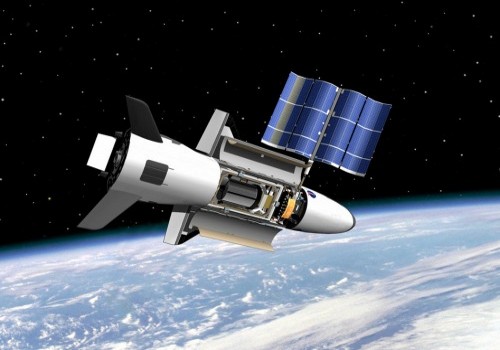
In aerospace engineering, weight efficiency and thermal resistance are non-negotiable performance criteria. M9 fabric serves as a critical component in thermal management systems across commercial aircraft, defense systems, and space exploration vehicles.
Key aerospace applications include:
-
Engine Nacelle and Exhaust Insulation: Surrounding high-bypass jet engines and exhaust ducts to contain localized intense heat, preventing thermal transfer to composite structural frames and adjacent avionics.
-
Firewall Barriers: Acting as lightweight, ultra-reliable fire barriers that prevent fire propagation between engine bays and structural cabins.
-
Thermal Protection Systems (TPS): Serving as structural reinforcement layers in flexible thermal blankets for re-entry vehicles and rocket engine thrust chambers.
-
Flight Controls and Hydraulic Line Wrap: Encapsulating vulnerable hydraulic conduits, wiring harnesses, and actuator linkages near high-heat zones to ensure operational redundancy.
The ability of M9 fabric to deliver high thermal insulation per unit of weight helps aerospace engineers optimize payload capabilities while maintaining strict safety margins.
Demanding Industrial Insulation Solutions
Beyond aerospace applications, heavy manufacturing and industrial processing industries rely heavily on M9 fabric to streamline energy consumption, safeguard equipment, and prevent heat loss.
Industrial environments utilize M9 fabric across multiple heavy-duty operational areas:
-
High-Temperature Expansion Joints: Absorbing severe thermal expansion and vibration in ductwork, power generation plants, and chemical processing facilities without leaking or cracking.
-
Removable Insulation Blankets: Serving as the outer and inner protective layers for custom-fit reusable insulation jackets on valves, turbines, pumps, and steam piping.
-
Furnace and Kiln Curtains: Functioning as flexible heat shields in steel mills, glass production plants, and foundries to contain internal furnace heat and protect workers from radiative exposure.
-
Welding Protection and Cable Sleeving: Shielding critical power lines, automation robotics, and surrounding structures from heavy spark shower, slag, and direct torch flame.
M9 fabric delivers chemical inertness, resisting degradation from oils, solvents, acids, and environmental weathering, which extends operational service lifespans in harsh processing facilities.
Key Selection Criteria for Technical Insulation Fabrics
When selecting technical fabrics for extreme temperature applications, engineering teams must evaluate multiple mechanical and thermal properties to ensure long-term performance:
-
Continuous Operating Limit: Confirming the fabric retains mechanical strength at maximum operational temperatures.
-
Flexibility and Pliability: Ensuring the fabric can conform to complex geometry, tight bends, and custom fabricated blankets without cracking.
-
Chemical and Environmental Inertness: Evaluating resistance to moisture, fuels, industrial chemicals, and ultraviolet radiation.
-
Abrasion and Tear Resistance: Verifying that mechanical wear, vibration, and friction will not compromise the thermal barrier over extended operating cycles.
Partnering with SHENJIU for Advanced Thermal Solutions
Selecting the correct grade and weave of M9 fabric requires technical consultation and precise manufacturing standards. As a dedicated manufacturer of high-performance technical textiles, SHENJIU delivers specialized engineering expertise and production capabilities tailored to demanding thermal protection requirements.
SHENJIU manufactures M9 fabric utilizing rigorous quality control processes to ensure uniform fiber density, consistent thermal performance, and dependable tensile strength. The engineering team at SHENJIU collaborates closely with client technical teams to deliver customized material weights, specialized surface treatments, and tailored roll configurations. By focusing on advanced fiber processing and continuous product refinement, SHENJIU provides high-grade M9 fabric solutions that meet international quality standards, supporting aerospace and industrial clients in achieving safe, efficient, and reliable thermal management systems.
Sep-03-2026