


Ultra-thin quartz fabric with a thickness of 0.02mm represents a highly specialized class of high-performance textile materials. Engineered from high-purity silica fibers, this ultra-thin fabric is widely utilized in aerospace thermal protection, microelectronics insulation, high-frequency printed circuit boards, and advanced defense applications. Due to its extreme thinness and delicate structural characteristics, ordering quartz fabric at a 0.02mm specification requires a thorough evaluation of precise physical, thermal, chemical, and mechanical parameters. Ensuring these specifications align with your manufacturing processes avoids costly processing errors and material failures.
Material Purity and Silica Content
The core performance of quartz fabric stems directly from its chemical composition. Unlike conventional glass fibers or E-glass textiles, high-grade quartz fabric is manufactured from high-purity fused quartz crystals.
Before placing an order for 0.02mm quartz fabric, you should verify the silicon dioxide content. Industrial-grade applications typically demand a silica purity of 99.95 percent or higher. This high level of chemical purity ensures that the fabric maintains a low dielectric constant, exceptional electrical insulation, and superior resistance to extreme thermal environments. Lower purity levels can lead to premature material degradation, increased dielectric loss at high frequencies, and compromised structural integrity when exposed to elevated operational temperatures.
Fabric Weave Style and Structural Density
At a ultra-thin gauge of 0.02mm, the structural stability of the fabric depends heavily on the chosen weave pattern and yarn density. The weave style directly impacts handling, flexibility, resin impregnation efficiency, and surface smoothness.
Common weave patterns for ultra-thin quartz textiles include plain weave and satin weave options. For a 0.02mm thickness, a plain weave is frequently selected because it provides uniform strength distribution and balanced dimensional stability across both warp and weft directions. You must review the thread count per inch or centimeter, as well as the linear density of the yarn. A tight, uniform weave minimizes micro-gaps, ensuring consistent barrier properties and smooth lamination when integrating the fabric into advanced composite matrices.
Areal Weight and Thickness Uniformity
Precision in weight and thickness is vital when working with 0.02mm technical fabrics. In high-end applications like satellite insulation or flexible printed circuits, even minor variations in fabric thickness can lead to uneven resin distribution or electrical inconsistencies.
You should request detailed specification sheets regarding the areal weight, typically measured in grams per square meter. A consistent areal weight ensures that the fabric delivers uniform mechanical strength throughout the entire roll. Furthermore, verify the thickness tolerance specified by the manufacturer. A reliable supplier should guarantee tight dimensional tolerances across both the width and length of the material, preventing localized hot spots or mechanical weaknesses in the finished composite assembly.
Dielectric Properties and High-Frequency Performance
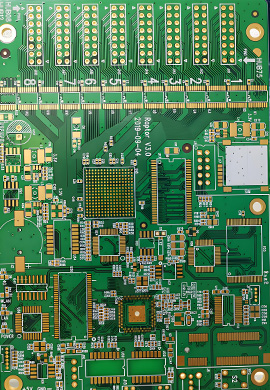
For electronic and aerospace applications, the electrical insulation capabilities of 0.02mm quartz fabric are primary decision factors. Quartz fibers inherently offer outstanding electrical properties, but these must be confirmed against your operating frequencies.
Key parameters to review include the dielectric constant and the dielectric loss tangent at target signal frequencies, such as 1 GHz, 10 GHz, or higher. Ultra-thin quartz fabric typically exhibits a very low dielectric constant around 3.7 and a dissipation factor below 0.0008. These metrics are essential for high-speed signal transmission and minimal signal attenuation. Reviewing these electrical parameters ensures the fabric will meet the rigorous demands of modern high-frequency communication systems and radome housings.
Tensile Strength and Mechanical Performance
Handling a 0.02mm quartz fabric requires careful attention to tensile properties. Because the material is exceptionally thin, it must possess adequate breaking strength to withstand tension during slitting, lamination, and automated layup processes.
Review the minimum tensile strength values in both the warp and fill directions. The yarn filament diameter and twist play significant roles in determining tensile resistance. A well-engineered ultra-thin fabric maintains sufficient tensile capability to prevent tearing or stretching under process tension. Evaluating these mechanical values helps engineers optimize manufacturing parameters and web tension controls during downstream processing.
Surface Sizing and Chemical Compatibility
Raw quartz fibers are delicate and prone to abrasion during weaving. Manufacturers apply chemical sizing agents to protect the filaments and improve processability. However, the type of sizing agent used must match your resin system.
When ordering, specify whether the fabric requires a primary textile sizing or a functional coupling agent finish, such as silane. If you intend to impregnate the 0.02mm fabric with epoxy, polyimide, cyanate ester, or PTFE resin matrices, the surface finish must be fully compatible. Proper chemical coupling ensures superior interfacial bonding between the quartz fibers and the matrix resin, preventing delamination and moisture absorption over the lifespan of the end product.
Partnering with SHENJIU for Precision Quartz Textiles
Selecting a knowledgeable supplier is critical when sourcing specialized materials like 0.02mm quartz fabric. SHENJIU has established a strong technical presence in the advanced fiber industry, offering specialized expertise in high-purity quartz textiles.
SHENJIU focuses on strict quality control and advanced weaving technology to produce ultra-thin quartz fabrics with exceptional dimensional stability, uniform thickness, and high chemical purity. Their technical team works closely with clients to review detailed application requirements, ensuring that parameters such as weave density, surface treatments, and electrical performance align with client specifications. By maintaining rigorous manufacturing standards, SHENJIU provides reliable, high-performance quartz fabric solutions suitable for demanding aerospace, electronic, and industrial applications.
Sep-16-2026