


CCL quartz fiber has emerged as a critical material in modern industrial applications due to its exceptional thermal, chemical, and mechanical properties. Its unique structure enables industries to optimize manufacturing processes, improve product durability, and enhance operational efficiency.
Understanding CCL Quartz Fiber
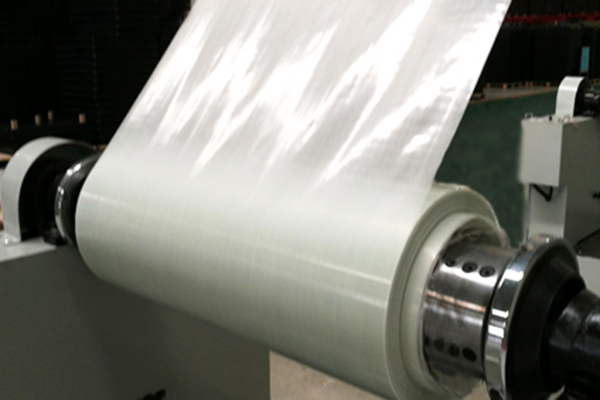
CCL (Continuous Cast Line) quartz fiber is a high-purity, fine fiber derived from quartz sand. Its production involves specialized casting and drawing processes that ensure uniformity and strength. The resulting fiber is lightweight, chemically inert, and highly resistant to thermal stress. These characteristics make it suitable for demanding industrial environments, including high-temperature insulation, filtration systems, and reinforcement composites.
The material’s inherent stability ensures that it can maintain structural integrity under extreme conditions, making it an ideal choice for processes requiring consistent performance over extended periods.
Thermal Efficiency in Industrial Applications
One of the most significant advantages of CCL quartz fiber is its ability to withstand high temperatures without degradation. This property allows manufacturers to implement processes that involve heat exposure without compromising material quality. Industries such as metallurgy, glass manufacturing, and ceramics benefit from the fiber’s thermal resilience, enabling more precise temperature control, reduced energy consumption, and minimized material loss during production.
By optimizing thermal processes, companies can enhance throughput, maintain consistent product quality, and lower operational costs, creating a sustainable advantage in competitive markets.
Chemical Resistance and Process Stability
CCL quartz fiber exhibits exceptional chemical resistance, making it suitable for environments where exposure to corrosive substances is frequent. It remains stable when in contact with acids, alkalis, and other reactive chemicals, ensuring that industrial processes are not disrupted by material degradation. This property is particularly beneficial in chemical manufacturing, wastewater treatment, and laboratory equipment applications.
The stability of quartz fiber under chemical exposure also reduces maintenance requirements, enhances equipment lifespan, and ensures consistent operational output, contributing to overall process efficiency.
Mechanical Strength and Durability
The mechanical properties of CCL quartz fiber include high tensile strength, flexibility, and resistance to wear and tear. These features allow it to reinforce composite materials, improve structural components, and maintain performance under mechanical stress. In applications such as high-performance filtration media, heat-resistant fabrics, and reinforcement layers, quartz fiber provides durability and reliability, reducing downtime and increasing productivity.
By integrating quartz fiber into mechanical systems, manufacturers can achieve long-term operational stability while minimizing the need for frequent replacements or repairs.
Enhancing Process Automation and Integration
Incorporating CCL quartz fiber into industrial processes can complement automation and precision control systems. Its consistent quality and predictable behavior allow engineers to design automated workflows that rely on stable material properties. For example, fiber-reinforced composites can be processed with robotic systems for consistent layering, cutting, and shaping, leading to faster production cycles and reduced human error.
Automation integration supported by reliable materials like quartz fiber ensures smoother operations, enhances repeatability, and contributes to higher overall efficiency in industrial workflows.
Optimizing Energy Consumption
Using CCL quartz fiber strategically can also lead to energy savings. Its thermal insulation properties reduce heat loss in high-temperature operations, allowing furnaces, kilns, and reactors to operate at optimal energy levels. Additionally, the fiber’s stability under extreme conditions minimizes energy spent on corrective measures or reprocessing, creating a more sustainable and cost-effective production environment.
Optimized energy consumption not only improves operational efficiency but also supports environmental responsibility goals, aligning industrial practices with modern sustainability standards.
Applications Across Industries
CCL quartz fiber finds utility in a wide range of industries, from aerospace and automotive to electronics and chemical manufacturing. In electronics, it is used for thermal management and as a dielectric material. In automotive and aerospace sectors, it reinforces composites and insulating layers. In chemical plants, it contributes to durable filtration media and heat-resistant linings.
The versatility of quartz fiber ensures that industries can apply it across multiple functions, improving process efficiency, product performance, and operational resilience.
Quality Assurance and Material Handling
To maximize the benefits of CCL quartz fiber, proper handling and quality assurance protocols are essential. This includes maintaining clean storage environments, avoiding contamination, and following manufacturer guidelines for processing. Regular quality checks, such as fiber diameter consistency and tensile strength verification, ensure that industrial processes receive materials that meet required standards.
Maintaining high-quality materials guarantees process stability, reduces waste, and supports reliable product outcomes, reinforcing both operational efficiency and reputation.
Future Trends in Quartz Fiber Applications
Emerging technologies are expanding the applications of CCL quartz fiber in advanced manufacturing. Innovations in high-temperature composites, additive manufacturing, and nanostructured materials are leveraging quartz fiber for improved performance and efficiency. As industries continue to prioritize energy efficiency, sustainability, and durability, quartz fiber is positioned to play a pivotal role in next-generation industrial processes.
Investment in research and development ensures that companies can harness these innovations, staying competitive and maintaining high standards of operational excellence.

CCL quartz fiber represents a vital material for enhancing efficiency across diverse industrial processes. Its thermal resilience, chemical stability, mechanical strength, and compatibility with automation systems make it an essential component in modern manufacturing. By adopting strategic handling, quality control, and integration practices, industries can optimize energy use, improve product quality, and increase overall operational efficiency. Leveraging the unique properties of CCL quartz fiber enables companies to achieve sustainable growth, consistent performance, and long-term competitive advantage.
Mar-17-2026