


In modern industrial processes, materials that offer exceptional thermal resistance, durability, and efficiency are critical for achieving high performance and operational cost savings. Quartz wool, a high-purity inorganic fibrous material, has emerged as a vital component in various industries due to its unique thermal, chemical, and mechanical properties. From aerospace to electronics, quartz wool helps optimize energy usage, improve process efficiency, and extend the lifespan of equipment. Understanding the applications, benefits, and best practices for using quartz wool is essential for industries aiming to enhance productivity and reduce operational costs.
Understanding Quartz Wool
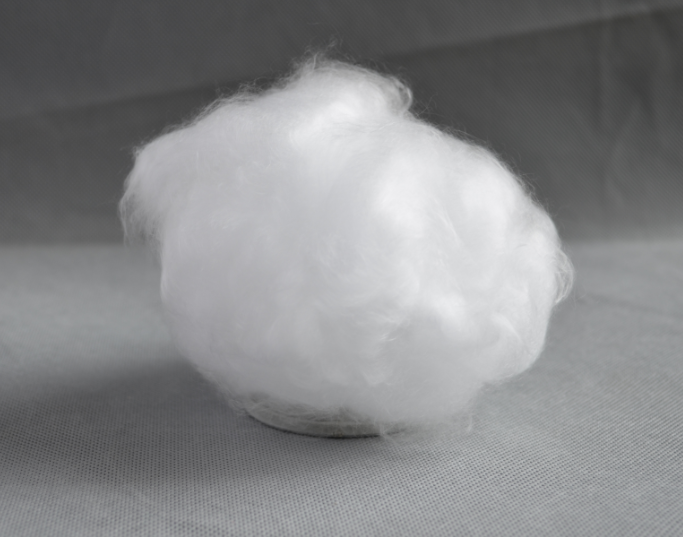
Quartz wool is composed primarily of high-purity silica fibers, often exceeding 99% SiO₂ content. Its fibrous structure provides excellent insulation, chemical stability, and mechanical strength. The material is lightweight yet resilient, making it suitable for high-temperature environments and demanding industrial applications.
Manufacturers produce quartz wool in various forms, including blankets, boards, ropes, and loose fibers, each designed for specific uses. Its unique characteristics allow for easy customization, precise fitting in equipment, and efficient thermal management, which are critical for maintaining industrial performance and energy efficiency.
Exceptional Thermal Insulation
One of the primary benefits of quartz wool is its outstanding thermal insulation capability. Its low thermal conductivity allows industries to minimize heat loss in furnaces, kilns, and high-temperature processing equipment.
By reducing heat loss, quartz wool lowers energy consumption and operational costs. In addition, it helps maintain consistent process temperatures, which is essential for producing high-quality products and ensuring safety in high-temperature environments.
Chemical and Thermal Stability
Quartz wool exhibits remarkable chemical resistance and thermal stability. It can withstand extremely high temperatures, often exceeding 1,000°C, without degrading or losing performance.
This stability ensures reliable operation in chemical processing, glass production, and metallurgy applications. Quartz wool does not react with most industrial chemicals, making it a preferred choice in environments where chemical exposure is a concern.
Enhancing Equipment Lifespan
The use of quartz wool can significantly extend the lifespan of industrial equipment. By providing thermal insulation and reducing temperature fluctuations, it protects sensitive components from thermal stress and fatigue.
Long-term use of quartz wool also reduces maintenance requirements and downtime, leading to more consistent production schedules and reduced operational costs. Industries benefit from both improved efficiency and lower total cost of ownership.
Energy Efficiency and Cost Savings
Energy consumption is a major operational expense for many industrial processes. Quartz wool’s thermal insulating properties help minimize heat loss, reducing the amount of energy required to maintain target temperatures.
This translates directly into cost savings. Facilities can achieve more sustainable operations by lowering fuel consumption and greenhouse gas emissions while maintaining optimal performance. In high-volume production environments, these savings can be substantial.
Applications in High-Temperature Industries
Quartz wool finds extensive applications across various high-temperature industries. In aerospace and defense, it is used for insulation in propulsion systems and thermal shielding.
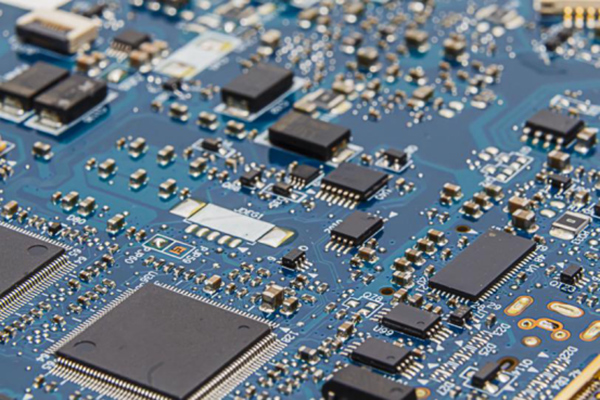
In metallurgy and glass manufacturing, quartz wool helps maintain precise temperatures, ensuring product consistency and quality. Electronics and semiconductor industries use quartz wool for thermal management in high-temperature furnaces, ovens, and kilns. Its adaptability makes it a critical component for industries where precise temperature control is essential.
Safety and Handling Considerations
While quartz wool offers many benefits, proper handling and safety measures are crucial. Fine fibers can cause irritation if inhaled or if they come into contact with skin.
Industries should implement safety protocols, including personal protective equipment (PPE), proper ventilation, and training on handling procedures. Adhering to these guidelines ensures safe operation while maximizing the benefits of quartz wool in industrial processes.
Integration with Modern Industrial Processes
Quartz wool can be integrated into various process designs to optimize efficiency. Custom blankets and boards can be cut to fit specific equipment, reducing gaps and improving insulation effectiveness.
Additionally, its lightweight nature allows for easier installation and reduces stress on supporting structures. Proper integration enhances thermal performance and supports consistent production results across different industrial applications.
Environmental Benefits and Sustainability
Sustainability is a growing concern in modern manufacturing. Quartz wool contributes to environmental performance by reducing energy consumption and minimizing emissions.
Many manufacturers produce quartz wool with environmentally responsible methods, and its long lifespan reduces the frequency of replacement, lowering material waste. These factors align with corporate sustainability goals and regulatory compliance requirements.
Advances in Quartz Wool Technology
Ongoing research has led to innovations in quartz wool, including higher purity fibers, improved thermal conductivity, and more flexible forms. These advancements enhance performance, expand application possibilities, and allow industries to achieve even higher efficiency levels.
New production techniques also enable the creation of composite insulation materials that combine quartz wool with other high-performance materials, further optimizing thermal management and durability.
Best Practices for Industrial Use
To maximize the benefits of quartz wool, industries should follow best practices:
-
Select the appropriate form (blanket, board, rope) for the specific application.
-
Ensure proper installation with no gaps or compression that could reduce insulating efficiency.
-
Implement regular inspections to monitor wear and performance.
-
Train personnel in handling and safety measures to prevent accidents.
-
Consider integrating quartz wool with complementary insulation materials for specialized applications.
Quartz wool has proven to be an indispensable material for industries seeking to maximize efficiency, reduce energy costs, and protect equipment. Its unique combination of thermal insulation, chemical stability, and durability enables reliable high-temperature operation and consistent production results.
By understanding its properties, applications, and best practices, businesses can leverage quartz wool to achieve sustainable operational improvements, cost savings, and enhanced industrial performance. As technology continues to advance, quartz wool remains a cornerstone material for modern industrial efficiency.
Mar-19-2026