


As aerospace technology continues to advance, the demand for high-performance materials has never been greater. Aircraft, spacecraft, satellites, launch vehicles, and defense systems require materials capable of performing under extreme conditions while maintaining reliability, stability, and lightweight characteristics. Among the many advanced materials used in the aerospace sector, professional grade aerospace quartz fiber has emerged as a critical solution for engineers and manufacturers worldwide.
Aerospace quartz fiber is recognized for its exceptional thermal resistance, low dielectric properties, outstanding dimensional stability, and excellent mechanical performance. These unique characteristics make it an ideal material for a wide range of aerospace engineering applications where precision and durability are essential.
From thermal protection systems to radar-transparent structures, aerospace quartz fiber plays an increasingly important role in supporting innovation and performance in next-generation aerospace projects.
Understanding Professional Grade Aerospace Quartz Fiber
Professional grade aerospace quartz fiber is manufactured from high-purity silica materials through advanced production processes that ensure exceptional consistency and quality. The resulting fiber possesses a silica content typically exceeding 99.9%, providing remarkable resistance to heat, chemical exposure, and environmental stress.
Unlike conventional industrial fibers, aerospace-grade quartz fiber is specifically engineered to meet the stringent requirements of aerospace applications. Every stage of production, from raw material selection to quality inspection, is carefully controlled to ensure compliance with demanding engineering standards.
The fiber can be produced in various forms, including yarns, rovings, fabrics, tapes, sleeves, and customized composite reinforcements. This versatility enables engineers to integrate quartz fiber into numerous aerospace structures and systems.
Exceptional Thermal Resistance for Extreme Environments
One of the most valued characteristics of aerospace quartz fiber is its ability to withstand extreme temperatures. Aerospace engineering often involves exposure to severe thermal conditions during atmospheric reentry, rocket propulsion, engine operation, and high-speed flight.
Professional grade quartz fiber maintains structural integrity and performance across a broad temperature range. Its low thermal expansion coefficient helps reduce dimensional changes caused by temperature fluctuations, contributing to improved component stability and reliability.
These thermal properties make quartz fiber suitable for applications such as:
Spacecraft thermal insulation systems
Rocket motor insulation components
High-temperature protective structures
Engine compartment thermal barriers
Heat shields and thermal protection systems
As aerospace missions become increasingly demanding, materials capable of maintaining performance under intense heat are essential to engineering success.
Low Dielectric Properties Support Advanced Communication Systems
Modern aerospace platforms rely heavily on sophisticated communication, navigation, radar, and sensing technologies. Materials used near electronic systems must minimize signal interference to ensure optimal performance.
Aerospace quartz fiber offers exceptionally low dielectric constant and low dielectric loss characteristics. These properties allow electromagnetic signals to pass through with minimal attenuation, making quartz fiber an ideal material for high-frequency applications.
Common uses include:
Radomes
Antenna covers
Satellite communication systems
Radar-transparent structures
Electronic protection housings
Wireless aerospace communication components
The ability to support reliable signal transmission while maintaining structural strength provides significant advantages for aerospace engineers.
Lightweight Design Enhances Aerospace Efficiency
Weight reduction remains a primary objective in aerospace engineering. Every kilogram removed from an aircraft or spacecraft can contribute to improved fuel efficiency, increased payload capacity, and enhanced operational performance.
Professional grade aerospace quartz fiber offers an outstanding strength-to-weight ratio. When incorporated into composite structures, it enables engineers to create lightweight components without sacrificing durability or performance.
Applications benefiting from lightweight quartz fiber composites include:
Aircraft interior structures
Satellite panels
Unmanned aerial vehicle components
Launch vehicle structures
Space exploration equipment
Aerospace insulation systems
The combination of reduced weight and superior mechanical performance makes quartz fiber a valuable contributor to modern aerospace design strategies.
Superior Mechanical Stability for Precision Engineering
Aerospace components must maintain dimensional accuracy and structural integrity under dynamic loads, vibration, and environmental stress. Professional grade quartz fiber provides excellent mechanical stability, helping ensure reliable performance throughout demanding operating conditions.
The material demonstrates strong tensile properties and excellent resistance to deformation, making it suitable for precision-engineered aerospace systems.
Mechanical advantages include:
High tensile strength
Dimensional consistency
Fatigue resistance
Vibration stability
Long-term durability
Reliable structural reinforcement
These characteristics support the development of aerospace components that require precise performance over extended operational lifecycles.
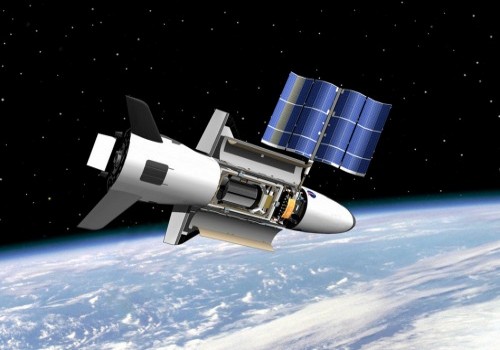
Aerospace Composite Applications Continue to Expand
Composite materials have transformed aerospace engineering by enabling the creation of lightweight yet highly durable structures. Aerospace quartz fiber serves as a valuable reinforcement material in advanced composite systems.
Engineers increasingly utilize quartz fiber composites in applications where thermal resistance, dielectric transparency, and structural performance must coexist.
Examples include:
Aircraft structural panels
Satellite support structures
Rocket fairings
Spacecraft insulation assemblies
Communication system components
Scientific instrumentation housings
The adaptability of quartz fiber allows manufacturers to tailor composite solutions for highly specialized aerospace requirements.
Reliability Matters in Critical Aerospace Missions
Reliability is one of the most important considerations in aerospace engineering. Components often operate in environments where maintenance opportunities are limited and performance requirements are exceptionally demanding.
Professional grade aerospace quartz fiber contributes to system reliability through its stable thermal, electrical, and mechanical properties. Its ability to maintain performance under challenging environmental conditions supports mission success across commercial, scientific, and defense applications.
Quality-controlled manufacturing processes further ensure consistency from batch to batch, helping engineers meet stringent aerospace certification requirements.
As mission complexity increases, dependable materials become even more critical to achieving operational objectives.
Supporting Innovation in Space Exploration
The global aerospace industry is entering a new era of innovation driven by commercial spaceflight, satellite deployment, deep-space exploration, and advanced aerospace research.
Professional grade aerospace quartz fiber is helping engineers address the challenges associated with these emerging technologies. Its unique performance characteristics make it well suited for applications that require durability, thermal stability, and communication transparency.
Future aerospace developments are expected to increase demand for advanced materials capable of supporting more ambitious missions while maintaining efficiency and reliability.
Quartz fiber continues to position itself as a key material within this evolving technological landscape.
Manufacturing Excellence Ensures Consistent Performance
Producing aerospace-grade quartz fiber requires advanced manufacturing expertise and rigorous quality management systems. High-purity raw materials, precision processing techniques, and strict inspection standards are essential for achieving aerospace-quality performance.
Manufacturers often perform extensive testing to verify:
Fiber purity
Mechanical properties
Thermal resistance
Dielectric performance
Dimensional consistency
Environmental durability
These quality assurance measures help ensure that aerospace engineers receive materials capable of meeting the demanding requirements of modern aerospace projects.
The Future of Aerospace Quartz Fiber in Aerospace Engineering
As aerospace engineering continues to evolve, the need for advanced materials that combine lightweight performance, thermal stability, dielectric transparency, and mechanical reliability will continue to grow.
Professional grade aerospace quartz fiber addresses these requirements through a unique combination of high-purity composition and exceptional engineering properties. Its expanding role in aircraft, spacecraft, satellite systems, and advanced aerospace structures highlights its importance in supporting future innovation.
For aerospace manufacturers, engineers, and research organizations seeking materials that deliver consistent performance in demanding environments, aerospace quartz fiber remains a trusted and forward-looking solution that aligns with the future of aerospace engineering.
Jun-10-2026