


Q glass cloth has become a foundational material in modern industrial and commercial applications due to its exceptional mechanical, thermal, and chemical properties. This comprehensive guide explores the technical specifications, applications, and advantages of Q glass cloth, providing a detailed overview for engineers, manufacturers, and procurement professionals. By understanding these features, industries can optimize usage, enhance product performance, and implement efficient and reliable processes.
Overview of Q Glass Cloth
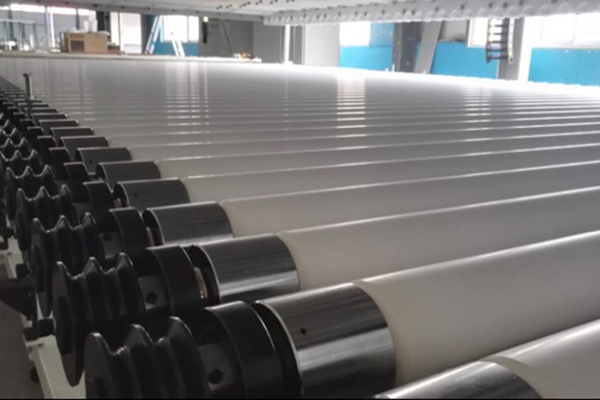
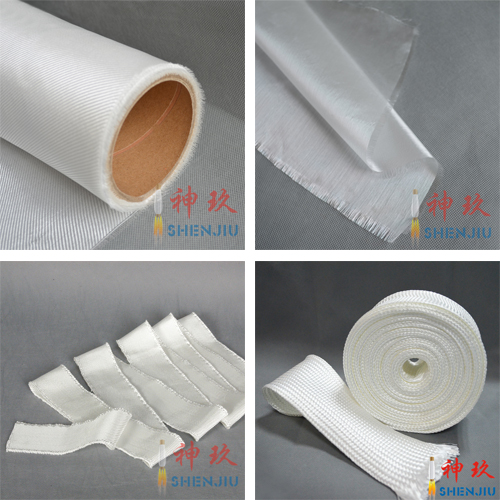
Q glass cloth is a high-quality woven textile composed of continuous glass fibers. Its production involves precise weaving and heat treatment processes that create a uniform, durable, and high-strength material. The resulting cloth is lightweight, flexible, and resistant to temperature fluctuations, chemical exposure, and mechanical stress. These attributes make it suitable for a variety of industrial applications, ranging from insulation to reinforcement composites.
The fine weave and controlled fiber alignment of Q glass cloth provide both dimensional stability and surface smoothness, ensuring reliable performance in high-precision environments.
Key Technical Specifications
The technical specifications of Q glass cloth are critical in determining its suitability for specific applications. These include:
-
Fiber Type: Continuous glass fibers with high tensile strength and low elongation.
-
Weave Style: Plain, twill, or satin weaves available for different flexibility and surface finish requirements.
-
Weight per Unit Area: Typically measured in grams per square meter (gsm), affecting thickness and mechanical load-bearing capacity.
-
Thermal Resistance: Ability to withstand high temperatures without significant degradation, commonly rated up to 550–600°C.
-
Chemical Resistance: Stable under exposure to acids, alkalis, and solvents, supporting long-term durability.
-
Electrical Insulation: Excellent dielectric properties suitable for insulating applications in electronics and electrical engineering.
-
Dimensional Stability: Minimal shrinkage or expansion under temperature or humidity variations.
These specifications allow engineers to select the right Q glass cloth for applications ranging from high-temperature insulation to structural reinforcement.
Mechanical Properties
Q glass cloth is known for its outstanding mechanical performance. The continuous fibers provide high tensile strength and flexibility, making it suitable for reinforcement in composite materials. It resists tearing, abrasion, and deformation under load, ensuring durability and reliability. The mechanical robustness also supports complex manufacturing processes, including layering, molding, and lamination.
By leveraging these mechanical properties, industries can achieve structural stability and extended service life for composite products.
Thermal and Fire Performance
Thermal stability is a key advantage of Q glass cloth. It maintains integrity at elevated temperatures and acts as an effective insulator in industrial and electrical applications. Additionally, its fire-resistant nature reduces flammability risks and supports compliance with safety standards. Applications such as furnace insulation, high-temperature ducting, and heat shields benefit from its thermal resilience.
Proper selection based on thermal ratings ensures optimal performance and minimizes energy loss in high-heat environments.
Chemical and Environmental Resistance
The chemical inertness of Q glass cloth allows it to withstand exposure to acids, alkalis, and common solvents without degradation. This property makes it suitable for chemical processing, protective coatings, and laboratory applications. Environmental stability also ensures consistent performance under varying humidity, UV exposure, and temperature fluctuations.
Industries leveraging these properties gain long-term reliability and reduced maintenance requirements.
Applications in Industrial Processes
Q glass cloth is utilized in a wide range of industrial processes, including:
-
Composite Reinforcement: Enhances strength and durability in polymer, resin, and fiberglass composites.
-
Thermal Insulation: Used in furnaces, ovens, and heat shields for high-temperature protection.
-
Electrical Insulation: Serves as dielectric material in motors, transformers, and printed circuit boards.
-
Filtration Media: Supports high-temperature filtration in chemical and industrial systems.
-
Protective Clothing: Integrated into garments for heat, flame, or chemical resistance.
Its versatility enables manufacturers to apply it across multiple functions, optimizing material usage and performance outcomes.
Handling and Processing Guidelines
To maximize performance, proper handling of Q glass cloth is essential. Storage should be in clean, dry areas, avoiding direct sunlight or moisture. Cutting and shaping should follow manufacturer recommendations to prevent fraying or fiber damage. During lamination or resin impregnation, uniform application and pressure ensure even distribution and avoid voids or weak points. Maintaining these protocols supports consistency, reliability, and optimal structural properties.
Quality Assurance and Testing
Consistent quality is vital when integrating Q glass cloth into industrial workflows. Regular testing for fiber diameter uniformity, tensile strength, weave consistency, and thermal performance ensures materials meet specified standards. Inspections prior to use help identify potential defects and guarantee reliable product performance. Documentation and certification of quality reinforce trust and support compliance with industry regulations.
Integration with Modern Manufacturing
Q glass cloth is compatible with advanced manufacturing techniques, including automated layup, vacuum infusion, and CNC cutting. Its stable properties allow precision processing, reducing material waste and enhancing reproducibility. Integration with these systems supports scalable, efficient production while maintaining high-quality standards.
Optimizing for Sustainability and Efficiency
Selecting and applying Q glass cloth strategically can contribute to sustainable production practices. Its durability reduces the frequency of replacement, and its thermal and chemical resistance minimizes energy consumption in processing. Efficient handling and integration reduce material waste, improving cost-effectiveness while supporting environmental responsibility initiatives.
Future Trends in Q Glass Cloth Applications
As industries adopt high-performance materials and energy-efficient processes, the demand for Q glass cloth is increasing. Emerging applications include aerospace composites, renewable energy components, advanced electronics insulation, and innovative protective gear. Continued research and development are expanding its performance capabilities, ensuring that Q glass cloth remains a vital resource for modern industrial operations.
Q glass cloth offers unparalleled performance in mechanical strength, thermal stability, chemical resistance, and electrical insulation. By understanding its technical specifications, handling requirements, and application opportunities, industries can maximize efficiency, improve product performance, and maintain consistent operational standards. Incorporating Q glass cloth into industrial workflows enhances durability, supports energy-efficient processes, and positions manufacturers to achieve long-term operational success and sustainability.
Mar-17-2026