


As electronic devices continue to evolve toward higher speeds and greater data capacity, the demand for advanced materials in printed circuit boards has increased significantly. Q-Glass fabric has emerged as a specialized reinforcement material designed to meet the stringent requirements of high-frequency PCB applications. Known for its low dielectric properties, thermal stability, and mechanical strength, Q-Glass fabric plays a critical role in ensuring signal integrity and overall system performance.
What Is Q-Glass Fabric
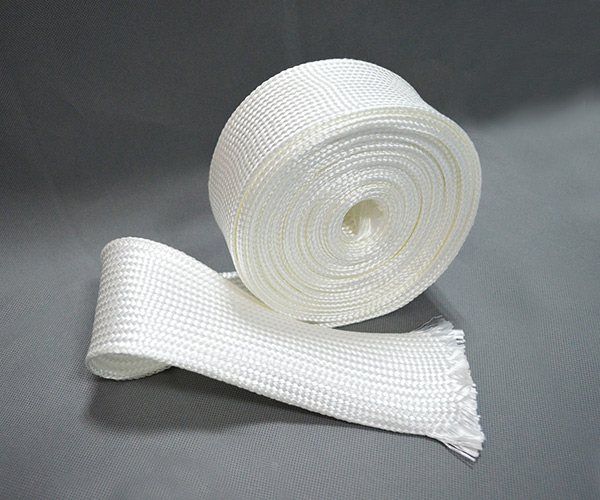
Q-Glass fabric is a high-performance woven material made from specially engineered glass fibers with controlled dielectric characteristics. It is primarily used as a reinforcement layer in PCB laminates, where it provides structural support while maintaining excellent electrical performance.
Compared to conventional fiberglass materials, Q-Glass fabric is optimized for high-frequency environments. Its composition and weave structure are carefully designed to minimize signal loss and maintain consistency across different operating conditions.
Importance of Low Dielectric Constant
One of the most important properties of Q-Glass fabric is its low dielectric constant. In high-frequency PCB applications, a lower dielectric constant helps reduce signal delay and improves transmission speed. This is essential for modern electronics such as 5G communication systems, high-speed computing devices, and advanced networking equipment.
By enabling faster signal propagation, Q-Glass fabric contributes to improved performance and efficiency in electronic systems. It also helps designers achieve tighter tolerances in circuit layouts.
Low Signal Loss for Enhanced Performance
Signal loss is a major concern in high-frequency PCB design. Q-Glass fabric addresses this challenge by offering low dielectric loss, which minimizes energy dissipation during signal transmission.
This characteristic ensures that signals remain strong and stable over longer distances, reducing the need for additional amplification or correction. As a result, electronic devices can operate more efficiently and deliver consistent performance.
Excellent Thermal Stability
Thermal management is a critical factor in PCB performance, especially in high-frequency and high-power applications. Q-Glass fabric provides excellent thermal stability, allowing it to maintain its properties under elevated temperatures.
This stability helps prevent warping, delamination, and other thermal-related issues that can compromise PCB reliability. It also supports consistent performance in environments where temperature fluctuations are common.
High Mechanical Strength and Dimensional Stability
Q-Glass fabric offers strong mechanical properties that enhance the durability of PCB structures. Its woven design provides reinforcement that helps prevent cracking, bending, and other forms of mechanical stress.
In addition, it maintains excellent dimensional stability, which is essential for precision circuit alignment. This ensures that PCB components remain accurately positioned, even during thermal cycling or mechanical loading.
Moisture Resistance and Environmental Reliability
Moisture can have a significant impact on PCB performance, particularly in high-frequency applications. Q-Glass fabric is designed to resist moisture absorption, helping to maintain stable electrical properties even in humid environments.
This resistance improves the long-term reliability of PCBs and reduces the risk of performance degradation. It is especially beneficial for applications in telecommunications, automotive electronics, and outdoor systems.
Applications in High-Frequency Electronics
Q-Glass fabric is widely used in a variety of high-frequency electronic applications. It is commonly found in PCBs for 5G infrastructure, high-speed servers, radar systems, and advanced communication devices.
Its ability to support stable signal transmission and withstand demanding conditions makes it a preferred material for engineers working on next-generation technologies. As electronic systems become more complex, the importance of reliable materials like Q-Glass fabric continues to grow.
Compatibility with Advanced Manufacturing Processes
Another advantage of Q-Glass fabric is its compatibility with modern PCB manufacturing techniques. It can be easily integrated into multilayer laminates and works well with various resin systems.
This flexibility allows manufacturers to design and produce complex PCB structures without compromising performance. It also supports scalability, making it suitable for both prototyping and large-scale production.
Supporting High-Speed and Miniaturized Designs
The trend toward miniaturization and higher data rates requires materials that can deliver consistent performance in compact spaces. Q-Glass fabric supports these requirements by providing a balance of electrical performance and structural integrity.
Its properties enable the development of smaller, faster, and more efficient electronic devices, helping engineers meet the demands of modern technology.
Future Outlook for Q-Glass Fabric
As high-frequency applications continue to expand, the role of Q-Glass fabric in PCB design is expected to become even more significant. Ongoing advancements in material science are likely to further enhance its properties, enabling even better performance in next-generation electronics.
With increasing demand for faster communication and more reliable electronic systems, Q-Glass fabric will remain a key component in the evolution of high-frequency PCB technology.
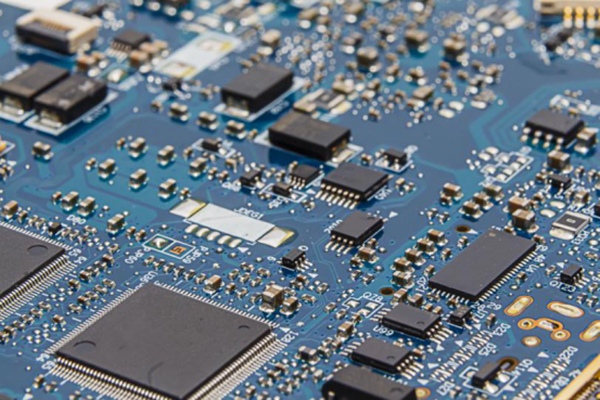
Q-Glass fabric offers a unique combination of low dielectric properties, thermal stability, mechanical strength, and environmental resistance. These characteristics make it an ideal material for high-frequency PCB applications.
By improving signal integrity, enhancing durability, and supporting advanced manufacturing processes, Q-Glass fabric plays a vital role in modern electronics. As technology continues to advance, its importance in achieving high-performance PCB designs will only continue to grow.
Apr-13-2026