


Q-Glass Fabric is a high-performance glass fiber material designed for applications that require excellent thermal stability, electrical performance, chemical resistance, and structural reliability. With the continuous development of advanced manufacturing, aerospace, electronics, energy, and industrial technologies, specialized glass fabrics have become increasingly important materials for improving product performance and durability.
For engineers, manufacturers, and purchasing professionals, understanding the characteristics, applications, and technical parameters of Q-Glass Fabric is essential when selecting suitable reinforcement materials. The right glass fabric can help improve product consistency, extend service life, and meet specific performance requirements in demanding environments.
Q-Glass Fabric is valued for its fine fiber structure, stable physical properties, and compatibility with various composite systems. It is widely considered a practical solution for industries that require reliable insulation, lightweight reinforcement, and high-temperature performance.
Main Applications of Q-Glass Fabric in Different Industries
Q-Glass Fabric is used across multiple industries because of its balanced combination of mechanical strength, thermal resistance, and electrical insulation properties.
In the electronics industry, Q-Glass Fabric is commonly used as a reinforcement material for high-performance circuit-related applications. Its stable dielectric characteristics and dimensional reliability make it suitable for environments where electrical performance and material stability are important.
In aerospace and advanced manufacturing fields, lightweight and durable materials are critical. Q-Glass Fabric can be incorporated into composite structures to provide reinforcement while maintaining a favorable strength-to-weight ratio. It helps manufacturers develop components that require consistent performance under changing conditions.
The energy industry also benefits from specialized glass fabrics. Applications involving insulation systems, protective layers, and composite materials often require fabrics that can maintain their properties under temperature variations and long-term operation.
Industrial equipment manufacturers may use Q-Glass Fabric for thermal barriers, reinforced components, and protective structures where reliability is a key requirement.
Technical Parameters Users Should Consider
When selecting Q-Glass Fabric, technical parameters are important factors that influence application performance. Different projects may require different fabric specifications, so understanding these details helps users make more accurate purchasing decisions.
Fiber composition is one of the fundamental parameters. The composition affects thermal performance, electrical characteristics, and compatibility with resin systems. Users should select materials according to the requirements of their final products.
Thickness and weight are also important considerations. The thickness of Q-Glass Fabric influences reinforcement performance, flexibility, and processing methods. A suitable fabric weight can help manufacturers achieve the desired balance between strength and material efficiency.
Width availability is another practical factor. Different production processes may require specific roll widths to improve manufacturing efficiency and reduce material waste.
Tensile strength, temperature resistance, dielectric properties, and dimensional stability are additional parameters that should be evaluated according to the working environment.
Thermal Performance and High-Temperature Applications
One of the major advantages of Q-Glass Fabric is its ability to maintain stable performance in high-temperature conditions. This makes it suitable for applications where conventional materials may not provide sufficient reliability.
In thermal protection systems, industrial insulation, and high-temperature composite structures, Q-Glass Fabric helps provide a protective layer while maintaining structural integrity.
Manufacturers working with heat-sensitive environments should consider factors such as continuous operating temperature, thermal cycling requirements, and compatibility with other materials used in the final product.
Selecting the appropriate Q-Glass Fabric specification can help improve the reliability of products exposed to demanding thermal conditions.
Electrical Insulation Applications and Advantages
Electrical insulation is another important application area for Q-Glass Fabric. Its stable electrical properties make it suitable for components that require reliable insulation performance.
In electronic manufacturing and electrical equipment production, materials must maintain consistent performance while facing factors such as heat generation, mechanical stress, and long-term operation.
Q-Glass Fabric can provide reinforcement while supporting insulation requirements. This combination makes it a valuable material choice for applications where both mechanical support and electrical stability are needed.
For manufacturers, choosing a glass fabric with suitable dielectric properties and processing compatibility can contribute to better product quality and manufacturing efficiency.
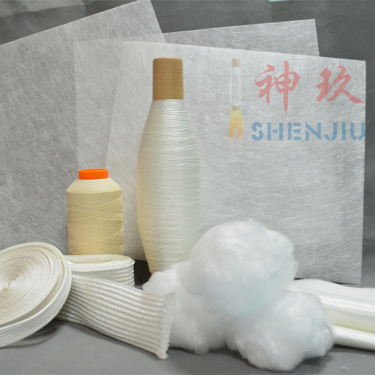
Composite Reinforcement and Lightweight Design
Modern industries increasingly focus on lightweight designs without sacrificing strength. Composite materials supported by Q-Glass Fabric can help manufacturers achieve this goal.
By combining glass fabric with suitable resin systems, engineers can create reinforced structures with improved mechanical performance. These composites are used in areas where weight control, durability, and stable operation are important.
Examples include industrial components, specialized equipment parts, protective structures, and advanced composite products.
For product designers, selecting the correct reinforcement fabric at the early development stage can improve manufacturing results and optimize overall material performance.
How to Select the Right Q-Glass Fabric for Your Project
Choosing the right Q-Glass Fabric requires consideration of the complete application environment rather than focusing on only one specification.
Users should evaluate operating temperature, mechanical requirements, electrical performance, processing method, final product structure, and expected service conditions.
Communication with an experienced manufacturer can also help buyers understand available specifications and select a suitable material solution.
SHENJIU is a professional supplier that provides specialized glass fiber materials and related fabric solutions. By understanding customer application requirements, SHENJIU supports users in selecting appropriate materials for different industrial needs.
Quality Control and Manufacturing Reliability
Material consistency is essential for advanced industrial applications. Q-Glass Fabric production requires careful control of fiber quality, weaving processes, surface treatment, and inspection procedures.
Reliable manufacturing practices help ensure that each batch maintains stable performance characteristics. For industries with strict production requirements, consistent material quality supports smoother processing and better final product performance.
When choosing a supplier, users should consider manufacturing experience, technical support capability, product documentation, and ability to provide suitable specifications for different applications.
Future Development Trends of Q-Glass Fabric
As industries continue to develop toward higher performance, lighter structures, and improved efficiency, demand for advanced glass fiber materials is expected to grow.
Future applications may expand in areas such as advanced electronics, renewable energy equipment, intelligent manufacturing, and specialized composite structures.
Material innovation will continue focusing on improving performance balance, processing convenience, and application adaptability.
For companies looking to upgrade product performance, understanding Q-Glass Fabric properties and selecting the right specifications will remain an important part of successful material planning.
Choosing Q-Glass Fabric for Practical Industrial Solutions
Q-Glass Fabric provides a combination of thermal stability, electrical insulation, mechanical reinforcement, and material reliability, making it suitable for many advanced industrial applications.
For engineers, manufacturers, and purchasing teams, understanding key technical parameters and application requirements can help make better material choices.
Whether used for electronic applications, composite reinforcement, insulation systems, or industrial protection, Q-Glass Fabric offers practical value for products that require dependable performance.
Working with experienced suppliers such as SHENJIU can help users access suitable material solutions and improve the efficiency of their product development process.
Aug-18-2026