


Selecting the right high-performance material is critical in industries such as electronics, aerospace, and advanced manufacturing. Among the many options available, Q-Glass fabric and quartz fiber are often compared due to their excellent thermal, electrical, and mechanical properties. While both materials are designed for demanding environments, they differ in structure, performance characteristics, and ideal applications. Understanding these differences is essential for making the right choice. This article provides a detailed comparison to help engineers, designers, and buyers determine which material best suits their needs.
What Is Q-Glass Fabric
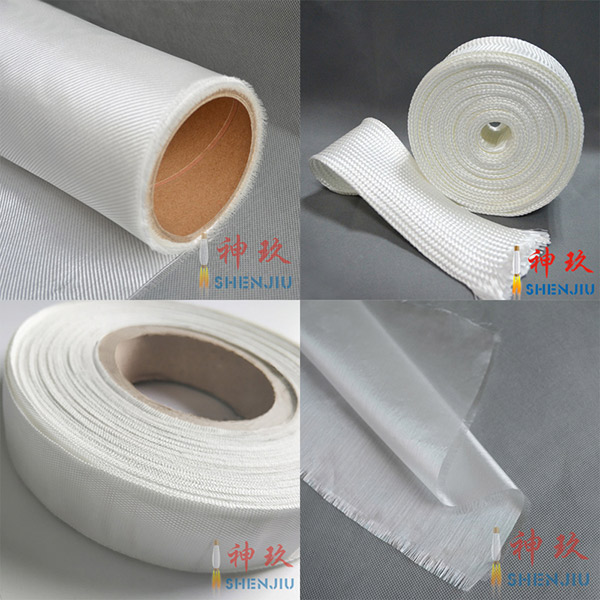
Q-Glass fabric is a specially engineered glass fiber textile designed to offer improved performance over standard fiberglass. It is typically woven into fabric form, making it easy to handle and integrate into composite structures.
This material is known for its good thermal resistance, electrical insulation, and mechanical strength. It is widely used in applications where cost efficiency and reliable performance are important. Its fabric structure allows for flexibility in shaping and layering, making it suitable for a variety of industrial uses.
What Is Quartz Fiber
Quartz fiber is made from high-purity natural quartz and processed into fine filaments. Unlike Q-Glass fabric, quartz fiber is often available in multiple forms, including yarns, rovings, and fabrics.
It is recognized for its exceptional thermal stability, low dielectric constant, and superior resistance to extreme environments. Quartz fiber is commonly used in high-end applications where performance cannot be compromised, particularly in aerospace and RF systems.
Its purity and structure give it distinct advantages in demanding technical environments.
Key Differences in Material Composition
The primary difference between Q-Glass fabric and quartz fiber lies in their composition. Q-Glass is a modified glass fiber, while quartz fiber is derived from nearly pure silica.
This difference significantly impacts their performance. Quartz fiber’s high purity results in better thermal resistance and lower dielectric properties, making it ideal for high-frequency and high-temperature applications.
Q-Glass fabric, while slightly less advanced in these areas, still provides strong performance for many standard industrial uses.
Thermal Performance Comparison
Thermal stability is a crucial factor in many applications. Quartz fiber can withstand significantly higher temperatures without degradation, maintaining its structure even in extreme conditions.
Q-Glass fabric also offers good heat resistance but is generally more suitable for moderate temperature environments. For applications involving continuous high heat or rapid temperature changes, quartz fiber is often the preferred choice.
Understanding the thermal requirements of your project is key to selecting the right material.
Electrical and Dielectric Properties
In electronic and RF applications, dielectric properties play a vital role. Quartz fiber has a lower dielectric constant and lower dielectric loss compared to Q-Glass fabric.
This makes it highly effective in minimizing signal interference and maintaining signal integrity in high-frequency systems such as antennas and radomes.
Q-Glass fabric, while still a good insulator, may not perform as well in ultra-high-frequency environments. For standard electrical insulation, however, it remains a reliable option.
Mechanical Strength and Flexibility
Both materials offer strong mechanical performance, but their characteristics differ slightly. Q-Glass fabric, due to its woven structure, provides excellent flexibility and ease of handling.
Quartz fiber, especially in fine filament form, offers high tensile strength and durability. It performs well in applications requiring long-term structural stability.
The choice between the two often depends on whether flexibility or maximum strength is the priority.
Processing and Manufacturing Considerations
Ease of processing is another important factor. Q-Glass fabric is widely used because it is easy to cut, shape, and integrate into composite systems.
Quartz fiber can also be processed effectively, but it may require more precise handling due to its fine structure and specialized properties.
Manufacturers often choose Q-Glass fabric for large-scale production due to its convenience, while quartz fiber is selected for high-performance, precision applications.
Application Scenarios
Q-Glass fabric is commonly used in general industrial applications such as insulation materials, circuit boards, and structural reinforcements. It is suitable for environments where reliable performance is needed without extreme conditions.
Quartz fiber, on the other hand, is used in advanced applications including aerospace components, RF systems, radomes, and high-temperature insulation.
The choice largely depends on the performance requirements and operating environment.
Cost and Value Considerations
Cost is often a deciding factor in material selection. Q-Glass fabric is generally more cost-effective, making it a practical choice for projects with budget constraints.
Quartz fiber, due to its advanced properties and production process, typically has a higher cost. However, its performance benefits can justify the investment in critical applications.
Evaluating the balance between cost and performance is essential for making an informed decision.
Environmental and Long-Term Performance
Both materials offer good resistance to environmental factors such as moisture and chemicals. However, quartz fiber provides superior long-term stability, especially in extreme conditions.
Its resistance to thermal and chemical degradation ensures a longer service life, reducing the need for replacements.
Q-Glass fabric also performs well in many environments, but may require more maintenance in highly demanding conditions.
How to Choose the Right Material
Choosing between Q-Glass fabric and quartz fiber depends on several factors, including temperature requirements, electrical performance, mechanical needs, and budget.
For applications that demand the highest level of performance, especially in aerospace and RF systems, quartz fiber is often the better choice.
For general industrial applications where cost efficiency and ease of use are important, Q-Glass fabric provides a reliable solution.
Careful evaluation of project requirements will help ensure the best outcome.
Q-Glass fabric and quartz fiber are both valuable materials with distinct advantages. While Q-Glass fabric offers flexibility, affordability, and ease of processing, quartz fiber delivers superior performance in extreme conditions and high-frequency environments.
Understanding their differences allows engineers and decision-makers to select the most suitable material for their specific needs. By aligning material properties with application requirements, it is possible to achieve optimal performance, durability, and efficiency in a wide range of industries.
Apr-15-2026