


High temperature industries demand materials that can maintain stability, strength, and insulation performance under extreme operating conditions. From aerospace engineering to industrial furnaces and advanced electronics, manufacturers are continuously searching for high-performance reinforcement materials that combine thermal resistance with lightweight mechanical properties. Among these advanced materials, Q Glass Fiber Yarn has become an increasingly important solution for industrial applications requiring heat resistance, dimensional stability, and long-term durability.
Q Glass Fiber Yarn is widely recognized for its excellent thermal insulation capability, low dielectric constant, high tensile strength, and resistance to chemical corrosion. These properties make it suitable for industries operating in environments exposed to elevated temperatures, thermal shock, and aggressive chemicals. As global industries continue moving toward higher efficiency and safer production systems, the demand for advanced glass fiber yarn solutions continues to grow.
This article explores the major benefits of Q Glass Fiber Yarn for high temperature industries, its applications, technical advantages, and why it has become a preferred reinforcement material for modern industrial manufacturing.
What Is Q Glass Fiber Yarn
Q Glass Fiber Yarn is a specialized glass fiber material manufactured using high-purity mineral compositions and advanced melting technologies. Compared with conventional fiberglass yarns, Q glass yarn offers improved thermal performance, enhanced dielectric properties, and better mechanical stability in demanding environments.
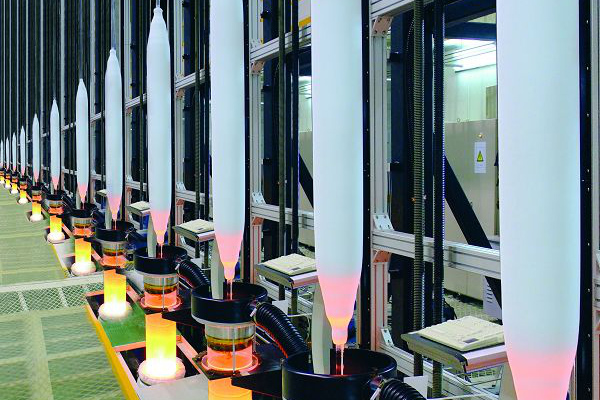
The yarn is produced by drawing molten glass into extremely fine filaments, which are then twisted into yarn structures suitable for weaving, coating, insulation wrapping, and composite reinforcement. The resulting material provides an excellent balance between flexibility and structural integrity.
One of the defining features of Q Glass Fiber Yarn is its ability to maintain performance under prolonged high-temperature exposure. This characteristic makes it highly valuable in industries where thermal degradation can negatively affect operational reliability and safety.
Excellent High Temperature Resistance
One of the most important advantages of Q Glass Fiber Yarn is its exceptional resistance to high temperatures. Many industrial systems operate continuously in environments exceeding several hundred degrees Celsius. Standard textile materials often lose strength, deform, or degrade under these conditions, while Q glass yarn maintains structural stability.
Its thermal resistance allows manufacturers to use it in:
- Thermal insulation fabrics
- Heat shielding systems
- Industrial furnace insulation
- Fire-resistant protective materials
- Aerospace thermal barriers
Because of its low thermal conductivity, Q Glass Fiber Yarn helps reduce heat transfer and improve energy efficiency. This is especially important in industries focused on reducing operational energy consumption and improving workplace safety.
In applications involving sudden temperature fluctuations, the yarn also demonstrates strong thermal shock resistance. This minimizes cracking, deformation, and material fatigue during repeated heating and cooling cycles.
Outstanding Electrical Insulation Performance
In addition to thermal resistance, Q Glass Fiber Yarn provides excellent electrical insulation properties. Many high-temperature industrial systems also involve electrical components that require insulation stability under elevated temperatures.
The yarn’s low dielectric constant and low dielectric loss make it ideal for:
- Electrical insulation tapes
- High-frequency circuit materials
- Transformer insulation
- Motor winding reinforcement
- Electronic composite substrates
As industries continue advancing toward high-speed communication systems and precision electronics, materials with stable electrical performance are becoming increasingly critical. Q Glass Fiber Yarn supports reliable signal transmission while maintaining mechanical integrity in high-temperature conditions.
Its insulating capability also contributes to enhanced equipment safety and reduced risk of electrical failure.
High Mechanical Strength and Durability
Industrial environments often involve continuous vibration, mechanical stress, and exposure to harsh operating conditions. Q Glass Fiber Yarn offers high tensile strength and excellent dimensional stability, allowing it to maintain performance over long service periods.
The material demonstrates strong resistance to:
- Mechanical wear
- Tensile stress
- Abrasion
- Fatigue
- Structural deformation
This durability helps manufacturers reduce maintenance frequency and extend equipment lifespan. In demanding industries such as aerospace and industrial manufacturing, long-term reliability directly affects operational efficiency and cost control.
Because the yarn combines lightweight characteristics with high strength, it also contributes to overall weight reduction in composite structures. Lightweight materials are increasingly important for improving fuel efficiency and reducing transportation costs.
Superior Chemical Corrosion Resistance
High-temperature industrial environments frequently expose materials to chemicals, moisture, acids, and other corrosive substances. Q Glass Fiber Yarn demonstrates excellent resistance to chemical corrosion, helping maintain structural performance even in aggressive environments.
Industries benefiting from this property include:
- Chemical processing plants
- Petrochemical facilities
- Metallurgical manufacturing
- Marine engineering
- Industrial filtration systems
Chemical stability reduces the risk of material degradation, contamination, and premature failure. This makes Q Glass Fiber Yarn a dependable reinforcement solution for industrial operations requiring long-term reliability under chemically demanding conditions.
Lightweight Material for Advanced Engineering
Modern industrial engineering increasingly prioritizes lightweight materials without compromising performance. Q Glass Fiber Yarn provides an ideal balance between low density and high mechanical capability.
Compared with many traditional metal-based reinforcement materials, glass fiber yarn offers:
- Lower overall weight
- Easier handling and installation
- Reduced transportation costs
- Improved manufacturing flexibility
- Better energy efficiency in moving systems
In aerospace and automotive applications, weight reduction directly contributes to lower fuel consumption and improved operational efficiency. Lightweight insulation systems also simplify equipment maintenance and assembly processes.
As sustainability becomes a greater focus across industries, lightweight composite materials are playing a key role in reducing environmental impact.
Wide Range of Industrial Applications
Q Glass Fiber Yarn supports a broad range of industrial sectors because of its versatile performance characteristics.
Aerospace Industry
In aerospace engineering, thermal resistance and lightweight performance are essential. Q Glass Fiber Yarn is commonly used in insulation blankets, composite reinforcements, thermal barriers, and fire-resistant aerospace components.
Electronics and Electrical Industry
The material is widely applied in electronic insulation systems, PCB reinforcement materials, and high-frequency electrical applications requiring dimensional stability and dielectric reliability.
Industrial Furnace Systems
Industrial furnace manufacturers use Q Glass Fiber Yarn for insulation wraps, thermal curtains, sealing materials, and high-temperature protective fabrics.
Automotive Industry
Automotive manufacturers use glass fiber yarn in heat shielding components, battery insulation systems, and lightweight composite structures designed for high-performance vehicles.
Filtration and Environmental Systems
The yarn is also suitable for high-temperature filtration systems where thermal resistance and chemical durability are necessary for long-term operation.
Advantages in Composite Manufacturing
Composite manufacturing has become one of the fastest-growing industrial sectors. Q Glass Fiber Yarn is an important reinforcement material in advanced composite production because it improves both thermal and mechanical performance.
When integrated into resin systems and engineered composites, the yarn helps provide:
- Enhanced structural strength
- Improved thermal stability
- Reduced composite weight
- Better dimensional consistency
- Increased product lifespan
Composite materials reinforced with Q Glass Fiber Yarn are widely used in industrial panels, insulation structures, aerospace components, and electrical systems.
The growing demand for high-performance composites continues driving innovation in glass fiber technology.
Supporting Sustainable Industrial Development
Sustainability has become a major priority for global industries. Q Glass Fiber Yarn contributes to environmental goals by improving energy efficiency, extending product lifespan, and supporting lightweight engineering solutions.
Its durability reduces material waste caused by frequent replacement, while its insulation capability helps lower energy consumption in industrial systems.
Additionally, many modern manufacturing processes are focused on improving production efficiency and reducing emissions associated with industrial materials. Advanced glass fiber technology supports these sustainability initiatives by enabling more efficient thermal management and long-term operational reliability.
Choosing High Quality Q Glass Fiber Yarn
Selecting the right Q Glass Fiber Yarn supplier is essential for achieving consistent industrial performance. Manufacturers should evaluate several factors when sourcing materials:
- Fiber purity level
- Temperature resistance capability
- Yarn uniformity
- Mechanical strength
- Surface treatment compatibility
- Quality control standards
- Technical support availability
Reliable suppliers typically provide detailed technical specifications and testing data to ensure compatibility with specific industrial applications.
Working with experienced manufacturers also helps companies optimize material selection for customized engineering requirements.
Q Glass Fiber Yarn has become an essential material for high-temperature industries seeking reliable thermal insulation, mechanical reinforcement, and electrical stability. Its unique combination of heat resistance, lightweight structure, chemical durability, and electrical insulation makes it suitable for a wide range of advanced industrial applications.
As industries continue pursuing higher efficiency, improved safety, and sustainable engineering solutions, the demand for high-performance glass fiber materials is expected to grow steadily. Q Glass Fiber Yarn offers manufacturers a dependable solution capable of meeting the challenges of modern industrial environments.
From aerospace engineering to industrial insulation systems, this advanced material continues supporting innovation across multiple sectors. Companies investing in high-quality Q Glass Fiber Yarn can achieve improved product performance, reduced operational costs, and greater long-term reliability in high-temperature applications.
May-29-2026