


Thermal protection systems play a critical role in industries where equipment and materials are exposed to high temperatures, thermal shock, and continuous heat cycles. From aerospace engineering to industrial insulation and electronic manufacturing, reliable thermal protection materials help improve safety, efficiency, and long-term operational stability. Among the many advanced materials used in heat-resistant applications, Q glass fiber yarn has become an important solution because of its outstanding thermal resistance, lightweight structure, and excellent insulation performance.
Q glass fiber yarn is widely used in applications that demand durability under extreme temperatures while maintaining structural stability and flexibility. Manufacturers and engineers value this material for its ability to provide dependable thermal management in both industrial and high-performance environments. As modern industries continue to prioritize energy efficiency and heat protection, the demand for high-quality glass fiber yarn solutions continues to grow.
This article explores the main features of Q glass fiber yarn for thermal protection systems, including its material properties, industrial applications, insulation benefits, and long-term performance advantages.
Understanding Q Glass Fiber Yarn
Q glass fiber yarn is a specialized fiberglass material engineered for high-temperature and thermal insulation applications. It is produced from carefully processed glass fibers that are drawn into continuous filaments and twisted into yarn structures suitable for weaving, wrapping, insulating, and reinforcement purposes.
The yarn is designed to maintain strength and dimensional stability even when exposed to elevated temperatures. Compared with many traditional textile materials, Q glass fiber yarn offers superior resistance to heat, flame, and thermal degradation.
Its fine filament structure allows manufacturers to create lightweight yet durable thermal protection products used across multiple industries. The material is commonly integrated into insulation fabrics, fire-resistant textiles, composite materials, protective wraps, and industrial thermal barriers.
Excellent Heat Resistance Performance
One of the most important features of Q glass fiber yarn is its exceptional heat resistance. Thermal protection systems require materials that can perform reliably under continuous exposure to high temperatures without losing structural integrity.
Q glass fiber yarn demonstrates excellent thermal stability, allowing it to withstand demanding industrial environments. The material can tolerate elevated operating temperatures while maintaining its mechanical properties and insulation capabilities.
This heat resistance makes the yarn suitable for applications such as:
- Industrial furnace insulation
- High-temperature pipe wrapping
- Thermal barrier fabrics
- Fire-resistant protective materials
- Automotive heat shielding
- Aerospace thermal insulation systems
The ability to resist thermal deformation helps improve the reliability and lifespan of thermal protection systems in both industrial and commercial applications.
Lightweight Structure with High Strength
Modern thermal protection systems often require materials that combine lightweight performance with mechanical durability. Q glass fiber yarn provides an ideal balance between these two characteristics.
The yarn structure remains lightweight while delivering excellent tensile strength and dimensional stability. This makes it easier to integrate into insulation products without significantly increasing total system weight.
Lightweight thermal materials are especially valuable in industries such as aerospace, automotive engineering, and electronics manufacturing, where reducing overall weight contributes to improved efficiency and performance.
At the same time, the strong fiber structure supports long-term durability and resistance to mechanical stress during installation and operation.
Superior Electrical Insulation Properties
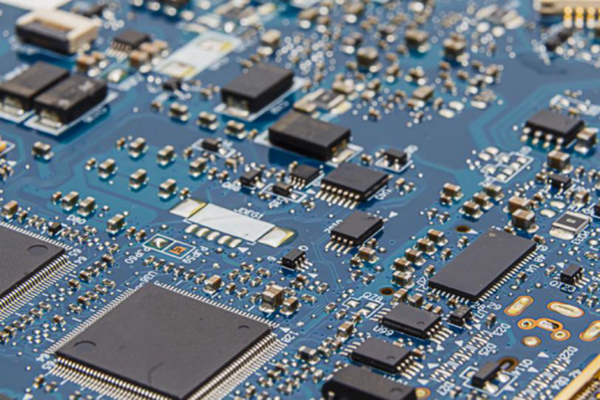
In addition to thermal protection, Q glass fiber yarn also offers outstanding electrical insulation performance. Many industrial systems require materials capable of resisting both heat and electrical conductivity simultaneously.
The non-conductive nature of glass fiber yarn makes it highly suitable for:
- Electrical insulation wraps
- Cable protection systems
- Motor insulation
- Transformer insulation
- Electronic thermal management components
These combined thermal and electrical insulation capabilities make Q glass fiber yarn an important material in advanced industrial and electronic applications.
Its stable insulation properties help improve equipment safety and operational reliability in environments involving heat and electrical exposure.
Chemical Resistance and Environmental Stability
Thermal protection materials are often exposed to harsh industrial environments that include chemicals, moisture, oils, and atmospheric contaminants. Q glass fiber yarn is designed to maintain stable performance under these challenging conditions.
The material demonstrates strong resistance to many industrial chemicals and environmental factors, helping reduce degradation over time. This stability contributes to longer service life and lower maintenance requirements.
Environmental durability is especially important in sectors such as:
- Petrochemical processing
- Marine engineering
- Industrial manufacturing
- Power generation facilities
The ability to maintain structural integrity in demanding operating conditions supports consistent thermal protection performance over extended periods.
Flexibility and Easy Fabrication
Another valuable feature of Q glass fiber yarn is its flexibility during manufacturing and product fabrication. The yarn can be woven, braided, knitted, coated, or combined with other materials to create customized thermal protection solutions.
Manufacturers use Q glass fiber yarn to produce:
- Insulation tapes
- Fire-resistant fabrics
- Thermal sleeves
- Composite reinforcement materials
- Protective blankets
- Heat-resistant covers
Its adaptability allows engineers to design thermal protection systems that meet specific performance requirements across different industries.
The yarn also supports efficient processing and integration into automated manufacturing environments.
Flame Resistance for Safety Applications
Safety is a major priority in thermal protection systems, especially in environments involving open flames, sparks, or high-temperature equipment.
Q glass fiber yarn naturally provides strong flame-resistant properties. Unlike some organic materials, glass fiber yarn does not easily ignite or support flame propagation.
This characteristic improves fire safety in industrial facilities, transportation systems, and protective equipment applications.
Common flame-resistant uses include:
- Fire curtains
- Welding blankets
- Protective clothing reinforcement
- Industrial heat shields
- Fireproof insulation systems
The combination of flame resistance and thermal insulation helps create safer working environments in high-temperature industries.
Long-Term Durability in Thermal Cycling
Thermal protection systems frequently experience repeated heating and cooling cycles during operation. Materials used in these environments must maintain stability despite constant temperature fluctuations.
Q glass fiber yarn performs well under thermal cycling conditions because of its resistance to cracking, shrinking, and thermal fatigue.
Long-term durability offers several advantages:
- Reduced maintenance costs
- Improved equipment reliability
- Longer product lifespan
- Stable insulation performance
- Lower replacement frequency
These benefits make Q glass fiber yarn a cost-effective solution for industrial thermal management systems.
Applications Across Multiple Industries
Because of its versatile performance characteristics, Q glass fiber yarn is widely used across many industries that require advanced thermal protection.
Common applications include:
Aerospace Industry
Aerospace systems require lightweight heat-resistant materials for insulation, structural reinforcement, and thermal shielding.
Automotive Manufacturing
Automotive applications use Q glass fiber yarn in exhaust insulation, engine compartment heat barriers, and thermal wraps.
Industrial Equipment
Factories and processing plants use the material for furnace insulation, pipe protection, and heat-resistant sealing systems.
Electronics and Electrical Systems
The yarn supports electrical insulation and thermal management in motors, transformers, and electronic components.
Energy and Power Generation
Power plants use thermal insulation materials to improve efficiency and protect high-temperature equipment.
Importance of Material Quality in Thermal Protection
The performance of any thermal protection system depends heavily on material quality and manufacturing precision.
High-quality Q glass fiber yarn offers:
- Uniform filament structure
- Consistent thermal performance
- Reliable tensile strength
- Stable insulation properties
- Better processing efficiency
Manufacturers often prioritize strict quality control to ensure the yarn meets industrial standards and long-term performance requirements.
Selecting premium-grade thermal insulation materials helps improve safety, reliability, and operational efficiency.
Future Trends in Thermal Protection Materials
As industries continue to develop advanced technologies, thermal protection materials are expected to become even more important.
Future trends influencing Q glass fiber yarn applications include:
- Increased demand for lightweight insulation
- Growth in electric vehicle production
- Expansion of renewable energy systems
- Advanced aerospace engineering
- Higher industrial energy efficiency standards
These trends continue to drive innovation in fiberglass insulation technologies and high-performance thermal materials.
Q glass fiber yarn has become a highly valuable material in thermal protection systems because of its excellent heat resistance, lightweight strength, electrical insulation properties, and long-term durability.
Its ability to perform reliably in demanding industrial environments makes it suitable for applications ranging from aerospace insulation to industrial heat management and electrical protection systems.
With continued advancements in thermal engineering and energy-efficient technologies, Q glass fiber yarn will remain an important component in modern thermal protection solutions. By offering reliable performance, flexible manufacturing compatibility, and strong environmental stability, this advanced material supports safer and more efficient operations across a wide range of industries.
May-20-2026