


As modern electronic devices continue to become smaller, faster, and more powerful, the demand for advanced insulation materials has increased significantly. Manufacturers in the electronics industry require materials that offer excellent thermal resistance, electrical insulation, dimensional stability, and long-term durability. Among the many high-performance materials used in electronic applications, Q glass fiber yarn has become an important solution for insulation systems in advanced electronics and electrical components.
Q glass fiber yarn is widely recognized for its exceptional dielectric properties, heat resistance, and mechanical strength. It is commonly used in printed circuit boards, electrical insulation fabrics, composite laminates, wire wrapping, and high-temperature insulation systems. With the continuous development of electronic manufacturing technologies, Q glass fiber yarn plays a growing role in improving product reliability and operational safety.
This article explores the characteristics, advantages, applications, and future potential of Q glass fiber yarn for electronic insulation solutions.
What Is Q Glass Fiber Yarn
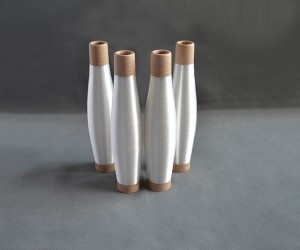
Q glass fiber yarn is a specialized high-performance glass fiber material manufactured from carefully formulated silica-based compositions. Compared with standard fiberglass materials, Q glass fiber yarn offers superior electrical insulation performance and excellent thermal stability under demanding conditions.
The yarn is produced through a controlled melting and fiber drawing process that creates fine continuous filaments with consistent diameter and high purity. These fibers are then twisted or woven into yarn structures suitable for industrial applications.
Because of its balanced combination of mechanical and electrical properties, Q glass fiber yarn is widely used in environments where reliable insulation and temperature resistance are essential.
Key Properties of Q Glass Fiber Yarn
Excellent Electrical Insulation
One of the most important features of Q glass fiber yarn is its outstanding electrical insulation capability. The material exhibits high dielectric strength and low electrical conductivity, making it ideal for electronic and electrical insulation applications.
In modern electronic systems, stable insulation is critical for preventing short circuits, electrical leakage, and signal interference. Q glass fiber yarn helps improve electrical safety and supports consistent device performance even under high-voltage conditions.
High Temperature Resistance
Electronic components often operate in environments with elevated temperatures. Q glass fiber yarn maintains structural stability and insulation performance even when exposed to high heat for extended periods.
Its excellent thermal resistance makes it suitable for applications involving motors, transformers, electrical coils, and high-temperature electronic assemblies. The material can withstand thermal cycling without significant degradation, helping extend equipment lifespan.
Mechanical Strength and Durability
Q glass fiber yarn provides strong tensile strength and dimensional stability. These characteristics allow the material to maintain integrity during manufacturing, processing, and long-term operation.
The yarn resists stretching, deformation, and mechanical wear, which is important for electronic insulation systems that must remain stable over time. Its durability also helps reduce maintenance requirements in industrial applications.
Chemical and Corrosion Resistance
Electronic insulation materials are frequently exposed to moisture, chemicals, oils, and industrial contaminants. Q glass fiber yarn offers excellent resistance to corrosion and chemical degradation.
This property enhances reliability in challenging operating environments and helps maintain insulation effectiveness throughout the product lifecycle.
Applications in Electronic Insulation Solutions
Printed Circuit Boards
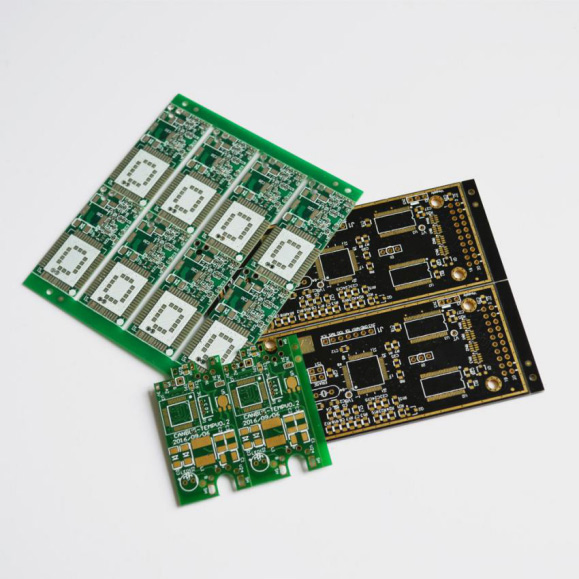
Q glass fiber yarn is widely used as a reinforcement material in printed circuit board manufacturing. It provides mechanical support and electrical insulation for multilayer PCB structures.
The material helps improve dimensional stability during thermal processing and contributes to consistent electrical performance. As electronic devices become more compact and complex, high-quality insulation materials like Q glass fiber yarn become increasingly important in PCB production.
Electrical Insulation Fabrics
Insulation fabrics produced from Q glass fiber yarn are commonly used in electrical equipment and industrial electronics. These fabrics provide thermal protection and electrical insulation for motors, generators, transformers, and cables.
Because the material combines flexibility with high heat resistance, it can be integrated into various insulation systems requiring long-term reliability.
Wire and Cable Wrapping
Q glass fiber yarn is often used for wrapping wires and cables in high-temperature or high-voltage environments. The yarn helps protect conductors from heat, electrical leakage, and external damage.
This application is particularly important in aerospace systems, industrial machinery, automotive electronics, and energy equipment where insulation reliability directly affects operational safety.
Composite Laminates
Composite materials reinforced with Q glass fiber yarn are widely used in advanced electronic and electrical applications. These laminates offer excellent mechanical strength, thermal stability, and insulation properties.
Manufacturers use such composites in electrical panels, insulation boards, battery systems, and high-performance electronic assemblies.
Advantages Over Conventional Insulation Materials
Compared with many traditional insulation materials, Q glass fiber yarn offers several important advantages.
First, it provides a unique balance between thermal resistance and electrical insulation performance. Many conventional materials lose stability under high temperatures, while Q glass fiber yarn maintains reliable operation.
Second, the material offers long service life with minimal degradation. Its resistance to moisture, corrosion, and chemicals helps improve durability in demanding industrial environments.
Third, Q glass fiber yarn supports lightweight insulation solutions. This is increasingly important in modern electronics, electric vehicles, aerospace equipment, and compact consumer devices where reducing weight improves efficiency and performance.
Finally, the material contributes to improved manufacturing consistency. High-quality yarn structures support precise processing and stable product quality during industrial production.
The Role of Q Glass Fiber Yarn in Modern Electronics
The rapid development of electronics technology continues to increase the need for advanced insulation materials. Devices now operate at higher frequencies, higher power densities, and smaller dimensions than ever before.
Q glass fiber yarn supports these evolving demands by providing reliable insulation performance under increasingly challenging conditions. In applications such as electric vehicles, renewable energy systems, telecommunications infrastructure, and semiconductor equipment, insulation materials must deliver both electrical reliability and thermal management.
Manufacturers continue to invest in advanced fiber technologies to improve the performance of electronic insulation systems. Q glass fiber yarn remains an important material choice because of its ability to meet modern engineering requirements.
Future Development Trends
The future of Q glass fiber yarn is closely connected to the growth of high-performance electronics and advanced industrial technologies.
As electric mobility, renewable energy, and smart electronics expand globally, the need for reliable insulation solutions will continue to increase. Future developments may focus on improving fiber purity, enhancing thermal performance, and optimizing compatibility with next-generation composite materials.
Researchers are also exploring advanced manufacturing methods that improve production efficiency and reduce environmental impact. Sustainable material development is becoming increasingly important across the electronics industry.
With ongoing innovation, Q glass fiber yarn is expected to play a larger role in supporting safer, more efficient, and higher-performing electronic systems.
Q glass fiber yarn has become a valuable material for modern electronic insulation solutions because of its excellent electrical insulation, thermal resistance, mechanical strength, and durability.
From printed circuit boards and insulation fabrics to cable wrapping and advanced composites, the material supports a wide range of critical applications across the electronics and electrical industries. Its ability to perform reliably under demanding conditions makes it an essential component in advanced engineering systems.
As electronic technologies continue to evolve, the importance of high-performance insulation materials will only increase. Q glass fiber yarn is well positioned to meet these future challenges while supporting innovation in electronics manufacturing, industrial equipment, and next-generation electrical systems.
May-21-2026