


As industries continue to demand materials capable of performing in extreme environments, heat-resistant textiles have become increasingly important across sectors such as aerospace, industrial insulation, metallurgy, automotive manufacturing, energy production, and fire protection. At the core of many advanced thermal protection fabrics is Q Glass Fiber Yarn, a specialized high-performance material known for its exceptional thermal stability, mechanical strength, and durability.
Q Glass Fiber Yarn is engineered to withstand elevated temperatures while maintaining structural integrity, making it an ideal reinforcement material for a wide range of heat-resistant textile applications. Its unique combination of thermal insulation properties and textile processability has positioned it as a valuable solution for manufacturers seeking reliable performance in demanding operating conditions.
This article explores the characteristics, production advantages, applications, and benefits of Q Glass Fiber Yarn in modern heat-resistant textile manufacturing.
What Is Q Glass Fiber Yarn?
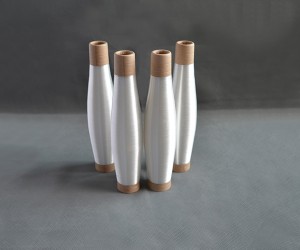
Q Glass Fiber Yarn is a continuous filament yarn produced from high-purity glass compositions specifically designed for high-temperature environments. Through advanced melting, fiberizing, and yarn-forming processes, extremely fine glass filaments are converted into yarns suitable for weaving, knitting, braiding, and composite reinforcement applications.
Compared with conventional textile fibers, Q Glass Fiber Yarn offers superior resistance to heat, chemicals, and dimensional changes under thermal stress. These properties make it particularly suitable for technical textiles where performance and reliability are critical.
The yarn can be manufactured in various filament diameters, twist levels, and yarn constructions to meet the requirements of different industrial applications.
Key Properties of Q Glass Fiber Yarn
The growing popularity of Q Glass Fiber Yarn stems from its impressive performance characteristics.
Excellent Heat Resistance
One of the most significant advantages of Q Glass Fiber Yarn is its ability to withstand prolonged exposure to elevated temperatures.
Heat-resistant textiles made from Q Glass Fiber Yarn can maintain their structural stability in environments where conventional textile materials may lose performance. This capability makes the yarn highly suitable for thermal insulation systems and protective fabric applications.
High Mechanical Strength
Q Glass Fiber Yarn offers outstanding tensile strength while maintaining a relatively lightweight structure.
This combination allows textile manufacturers to produce durable fabrics capable of handling mechanical stress without adding excessive weight to finished products.
Strong yarn structures also contribute to improved service life and long-term reliability.
Dimensional Stability
Thermal environments often cause materials to expand, shrink, or deform. Q Glass Fiber Yarn exhibits excellent dimensional stability, helping fabrics maintain their original shape and performance characteristics even when exposed to temperature fluctuations.
This property is particularly valuable in industrial insulation and engineered textile systems.
Chemical Resistance
Industrial environments frequently expose materials to oils, solvents, moisture, and chemical agents.
Q Glass Fiber Yarn demonstrates excellent resistance to many chemical substances, helping maintain material integrity in demanding applications.
Its resistance to environmental degradation supports longer service life and reduced maintenance requirements.
Electrical Insulation Properties
In addition to thermal performance, Q Glass Fiber Yarn also provides excellent electrical insulation characteristics.
This combination of thermal and electrical resistance makes it suitable for applications involving electrical equipment, insulation systems, and protective barriers.
Manufacturing Process of Q Glass Fiber Yarn
The quality and consistency of Q Glass Fiber Yarn depend heavily on advanced manufacturing technology.
The production process typically includes:
- Raw material preparation
- Glass melting
- Fiber formation
- Filament drawing
- Surface treatment
- Yarn twisting
- Quality inspection
Precise control throughout these stages ensures uniform filament dimensions, mechanical strength, and thermal performance.
Modern production facilities utilize advanced monitoring systems to maintain consistent product quality and meet stringent industrial standards.
Role in Heat Resistant Textile Production
Heat-resistant textiles require materials capable of maintaining performance under challenging thermal conditions.
Q Glass Fiber Yarn serves as a primary reinforcement material in various textile structures, including:
- Woven fabrics
- Knitted fabrics
- Braided textiles
- Needle mats
- Composite reinforcements
Its processability allows manufacturers to create customized textile solutions for diverse industrial applications.
By combining thermal resistance with textile flexibility, Q Glass Fiber Yarn enables the production of fabrics that meet both performance and manufacturing requirements.
Applications in Industrial Insulation
Industrial insulation remains one of the largest application sectors for Q Glass Fiber Yarn.
Heat-resistant fabrics produced from this material are commonly used in:
- Thermal insulation blankets
- Removable insulation covers
- Expansion joints
- Furnace insulation systems
- Pipe insulation products
These applications require reliable thermal protection, mechanical durability, and long service life.
Q Glass Fiber Yarn helps manufacturers achieve these performance goals while maintaining efficient production processes.
Aerospace and Aviation Applications
The aerospace industry demands materials capable of operating in extreme temperature environments while minimizing weight.
Q Glass Fiber Yarn contributes to aerospace textile solutions through:
- Thermal protection systems
- Fire-resistant fabrics
- Insulation components
- Composite reinforcement materials
Its lightweight structure and heat-resistant characteristics support the industry’s ongoing pursuit of performance and efficiency improvements.
Automotive Thermal Management Solutions
Modern vehicles increasingly rely on advanced thermal management systems.
Q Glass Fiber Yarn is used in textile products designed for:
- Heat shields
- Exhaust insulation
- Engine compartment protection
- Thermal barriers
As vehicle manufacturers continue to improve efficiency and safety, demand for high-performance thermal textiles continues to grow.
The yarn’s durability and thermal stability make it well-suited for these challenging automotive environments.
Fire Protection and Safety Textiles
Protective clothing and safety equipment often require materials capable of resisting elevated temperatures.
Q Glass Fiber Yarn supports the production of:
- Fire-resistant fabrics
- Protective covers
- Safety curtains
- Thermal shields
Its performance characteristics contribute to the development of protective textile solutions used in industrial and emergency response environments.
Benefits for Textile Manufacturers
Manufacturers selecting Q Glass Fiber Yarn gain several operational advantages.
Consistent Product Quality
Advanced manufacturing processes provide uniform yarn properties, supporting consistent fabric production and predictable performance.
Versatile Processing Capabilities
The yarn can be woven, knitted, braided, and combined with various coating technologies, offering flexibility across multiple product categories.
Long-Term Durability
Heat-resistant textiles produced with Q Glass Fiber Yarn often demonstrate excellent longevity, reducing replacement frequency and improving overall value.
Support for Specialized Applications
The yarn’s customizable specifications allow manufacturers to tailor textile solutions for highly specialized industrial requirements.
Sustainability Considerations
As industries increasingly focus on sustainability, material durability plays an important role in reducing resource consumption.
The long service life of Q Glass Fiber Yarn-based textiles contributes to:
- Reduced material waste
- Lower replacement frequency
- Improved product lifecycle performance
- Enhanced resource efficiency
Manufacturers seeking durable, high-performance textile solutions often view longevity as an important component of sustainable product design.
Choosing a Reliable Q Glass Fiber Yarn Supplier
Selecting the right supplier is essential for ensuring consistent product performance.
Important factors include:
- Manufacturing expertise
- Quality control systems
- Technical support capabilities
- Product consistency
- Customization options
- Industry experience
A knowledgeable supplier can help manufacturers select the most appropriate yarn specifications for their specific application requirements.
Strong supplier partnerships often contribute to improved production efficiency and product performance.
Q Glass Fiber Yarn has become an essential material in the production of heat-resistant textiles for industrial, aerospace, automotive, energy, and safety applications. Its combination of thermal resistance, mechanical strength, dimensional stability, chemical resistance, and electrical insulation properties makes it an outstanding choice for demanding environments.
As industries continue to seek reliable materials capable of performing under extreme conditions, Q Glass Fiber Yarn remains a valuable solution for manufacturers developing advanced thermal protection and insulation textiles. By combining high-performance characteristics with versatile processing capabilities, it supports the creation of durable textile products that meet the evolving needs of modern industry.
May-27-2026