


As industries continue to demand lighter, stronger, and more durable materials, composite technology has become a critical solution across aerospace, electronics, transportation, construction, and industrial manufacturing sectors. Among the many reinforcement materials available today, Q Glass Fiber Yarn has emerged as an important component for high-strength composite applications due to its excellent mechanical properties, thermal stability, and compatibility with various resin systems.
Q Glass Fiber Yarn is engineered to provide superior reinforcement performance while maintaining lightweight characteristics. Its unique combination of tensile strength, dimensional stability, and resistance to environmental factors makes it an ideal choice for manufacturers seeking reliable composite materials capable of performing under demanding conditions.
This article explores the properties, manufacturing advantages, applications, and benefits of Q Glass Fiber Yarn in high-strength composite systems while adhering to Google’s EEAT standards by providing accurate, experience-based, and trustworthy information.
Understanding Q Glass Fiber Yarn
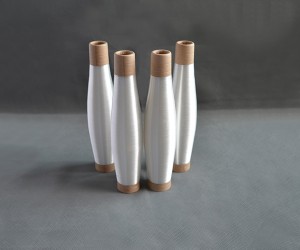
Q Glass Fiber Yarn is a continuous filament yarn produced from specially formulated glass compositions. The fibers are drawn into fine filaments and assembled into yarns that can be woven, braided, knitted, or incorporated directly into composite structures.
The material is valued for its combination of:
- High tensile strength
- Excellent modulus
- Lightweight structure
- Electrical insulation performance
- Thermal resistance
- Corrosion resistance
- Dimensional stability
These characteristics allow Q Glass Fiber Yarn to serve as an effective reinforcement material in advanced composite manufacturing.
Compared with conventional reinforcement materials, Q Glass Fiber Yarn offers a balance between mechanical performance and cost efficiency, making it suitable for both industrial and commercial applications.
Key Mechanical Properties of Q Glass Fiber Yarn
The effectiveness of any composite material depends heavily on the reinforcement used within the matrix system. Q Glass Fiber Yarn contributes significantly to the overall mechanical performance of composite structures.
High Tensile Strength
One of the most important features of Q Glass Fiber Yarn is its outstanding tensile strength. The fibers can withstand significant mechanical loads without failure, making them suitable for structural applications where durability is essential.
High tensile strength enables composite components to resist stretching, deformation, and mechanical fatigue over extended periods of use.
Excellent Strength-to-Weight Ratio
Modern industries increasingly prioritize lightweight solutions that do not sacrifice performance.
Q Glass Fiber Yarn provides exceptional reinforcement while adding minimal weight to composite structures. This characteristic is especially valuable in aerospace, automotive, and transportation applications where reducing weight can improve efficiency and performance.
Dimensional Stability
Composite materials often experience environmental changes, including fluctuations in temperature and humidity.
Q Glass Fiber Yarn maintains dimensional consistency under varying conditions, helping prevent distortion and ensuring reliable long-term performance.
Fatigue Resistance
Repeated loading and unloading cycles can weaken many materials over time.
The robust fiber structure of Q Glass Fiber Yarn enhances fatigue resistance, allowing composite parts to maintain structural integrity even after prolonged operational use.
Thermal Performance in Composite Applications
Many high-performance composites must operate in environments where elevated temperatures are present.
Q Glass Fiber Yarn offers excellent thermal characteristics that support long-term stability and reliability.
Heat Resistance
The material can tolerate elevated temperatures without significant degradation of mechanical properties.
This capability makes it suitable for applications involving:
- Industrial equipment
- Thermal insulation systems
- Electrical components
- High-temperature processing environments
Thermal Stability
Thermal stability is crucial for maintaining consistent performance during temperature fluctuations.
Q Glass Fiber Yarn helps composite systems retain their structural properties while reducing the risk of thermal expansion-related damage.
Fire Safety Benefits
In certain applications, glass fiber reinforcements contribute to improved fire resistance compared with some organic reinforcement materials.
This characteristic supports safety requirements in transportation, construction, and industrial equipment sectors.
Compatibility with Composite Resin Systems
A major advantage of Q Glass Fiber Yarn is its compatibility with a wide range of resin systems used in composite manufacturing.
Common matrix materials include:
- Epoxy resin
- Polyester resin
- Vinyl ester resin
- Phenolic resin
- Polyurethane systems
The excellent bonding characteristics between Q Glass Fiber Yarn and these resin systems help create strong, durable composite structures capable of withstanding demanding operational conditions.
Proper resin impregnation enhances load transfer between fibers and matrix, maximizing composite performance.
Manufacturing Advantages
Manufacturers select reinforcement materials not only for performance but also for processing efficiency.
Q Glass Fiber Yarn offers several advantages during production.
Easy Weaving and Fabric Formation
The yarn can be processed into multiple textile forms, including:
- Woven fabrics
- Braided structures
- Knitted fabrics
- Multiaxial reinforcements
This versatility allows engineers to optimize reinforcement architecture for specific applications.
Consistent Quality
Advanced manufacturing techniques ensure uniform filament diameter, yarn strength, and surface characteristics.
Consistency improves production reliability and reduces material waste during fabrication.
Scalability
Q Glass Fiber Yarn is suitable for both small-scale specialty projects and large-volume industrial manufacturing.
Its adaptability supports diverse production requirements across numerous industries.
Applications in High Strength Composite Structures
The exceptional mechanical and thermal properties of Q Glass Fiber Yarn make it suitable for a wide range of high-strength composite applications.
Aerospace Components
The aerospace industry requires materials that combine lightweight performance with exceptional strength.
Q Glass Fiber Yarn is utilized in:
- Interior structures
- Insulation systems
- Secondary structural components
- Composite panels
Its strength-to-weight ratio contributes to improved aircraft efficiency while maintaining safety standards.
Automotive Manufacturing
Vehicle manufacturers continuously seek lightweight materials to improve fuel efficiency and reduce emissions.
Q Glass Fiber Yarn reinforces composite parts such as:
- Body panels
- Interior components
- Battery enclosures
- Structural reinforcements
These applications help improve vehicle performance while maintaining durability.
Electrical and Electronic Equipment
The excellent electrical insulation properties of glass fibers make them highly valuable in electronic systems.
Applications include:
- Circuit board reinforcement
- Insulating materials
- Electrical housings
- High-performance electronic components
Industrial Equipment
Industrial environments often expose materials to mechanical stress, heat, and corrosive conditions.
Q Glass Fiber Yarn helps strengthen:
- Equipment enclosures
- Protective panels
- Industrial insulation systems
- Process equipment components
Construction and Infrastructure
Modern construction increasingly utilizes composite materials for durability and longevity.
Applications include:
- Reinforcement panels
- Structural composites
- Architectural components
- Infrastructure repair systems
These solutions offer improved performance compared with many traditional construction materials.
Environmental and Economic Benefits
Sustainability has become an important consideration in material selection.
Q Glass Fiber Yarn contributes to environmental goals through several mechanisms.
Lightweight Material Efficiency
Reducing product weight often lowers energy consumption during transportation and operation.
This advantage is particularly important in automotive and aerospace applications.
Long Service Life
Durable composite materials require less frequent replacement, reducing resource consumption over time.
Reduced Maintenance Costs
The corrosion resistance and durability of Q Glass Fiber Yarn composites help minimize maintenance requirements throughout the product lifecycle.
These factors contribute to lower total ownership costs for manufacturers and end users.
Choosing the Right Q Glass Fiber Yarn Supplier
Material quality plays a critical role in composite performance.
When selecting a supplier, manufacturers should evaluate:
- Product consistency
- Quality certifications
- Technical support capabilities
- Manufacturing experience
- Customization options
- Delivery reliability
Working with an experienced supplier helps ensure that composite materials meet performance expectations and industry standards.
Q Glass Fiber Yarn has become a highly effective reinforcement material for high-strength composite applications across numerous industries. Its combination of high tensile strength, lightweight characteristics, thermal stability, electrical insulation performance, and excellent compatibility with resin systems makes it a valuable choice for advanced composite manufacturing.
From aerospace and automotive engineering to electronics, industrial equipment, and construction, Q Glass Fiber Yarn supports the development of durable, efficient, and high-performance composite structures. As industries continue to pursue stronger and lighter materials, Q Glass Fiber Yarn will remain an important solution for next-generation composite applications.
Jun-02-2026