


Modern engineering industries continue to demand materials that are lighter, stronger, and more efficient. As manufacturers seek advanced reinforcement solutions for construction, transportation, electronics, aerospace, and industrial applications, Q glass fiber yarn has become an increasingly important material in lightweight engineering systems.
Q glass fiber yarn is known for its excellent mechanical strength, dimensional stability, heat resistance, and lightweight characteristics. These properties make it highly suitable for composite materials and reinforcement applications where both durability and weight reduction are critical.
With the rapid development of high-performance engineering materials, Q glass fiber yarn is now widely used in products that require enhanced structural performance without adding excessive weight. From industrial laminates and insulation materials to advanced composite structures, this material plays an essential role in modern manufacturing.
What Is Q Glass Fiber Yarn
Q glass fiber yarn is a specialized fiberglass yarn produced by drawing molten glass into fine continuous filaments. These filaments are then gathered and twisted into yarns with consistent diameter, strength, and flexibility.
The material is engineered to provide a balance between lightweight performance and structural reinforcement. Compared with traditional reinforcement materials, Q glass fiber yarn offers excellent tensile strength while maintaining low density.
Its unique physical and chemical properties allow it to perform effectively in demanding environments that require thermal stability, corrosion resistance, and electrical insulation.
Because of these advantages, Q glass fiber yarn has become a preferred reinforcement material across multiple engineering industries.
Key Characteristics of Q Glass Fiber Yarn
One of the main reasons Q glass fiber yarn is widely adopted in lightweight engineering applications is its combination of performance characteristics.
The material offers high tensile strength, allowing reinforced products to maintain structural integrity under heavy loads and stress conditions. At the same time, the lightweight nature of the yarn helps manufacturers reduce the total weight of finished components.
Q glass fiber yarn also provides excellent thermal resistance. It can withstand elevated temperatures while maintaining stability, making it suitable for industrial environments and heat-resistant composite systems.
Another important feature is dimensional stability. The yarn resists deformation under changing environmental conditions, helping improve long-term product reliability.
Its corrosion resistance further expands its application range. Unlike some traditional metal reinforcements, Q glass fiber yarn is highly resistant to moisture, chemicals, and environmental exposure.
Electrical insulation properties also make it valuable in electronics and electrical engineering applications where conductivity must be minimized.
Benefits of Using Q Glass Fiber Yarn in Lightweight Engineering Materials
The growing focus on lightweight engineering has increased demand for reinforcement materials that improve performance without increasing mass. Q glass fiber yarn addresses this need effectively.
One major advantage is weight reduction. Lighter engineering materials contribute to improved energy efficiency, easier transportation, and reduced operational costs in many industries.
In transportation applications, reducing component weight can help improve fuel efficiency and overall system performance. In construction and infrastructure projects, lightweight reinforced materials simplify installation and handling.
Another benefit is improved mechanical performance. Q glass fiber yarn enhances the strength and durability of composite structures while maintaining flexibility for various manufacturing processes.
The material also supports long-term durability. Products reinforced with Q glass fiber yarn often demonstrate excellent resistance to fatigue, environmental stress, and thermal expansion.
Additionally, the yarn is highly versatile and compatible with multiple resin systems and manufacturing technologies, allowing engineers to integrate it into a wide variety of production methods.
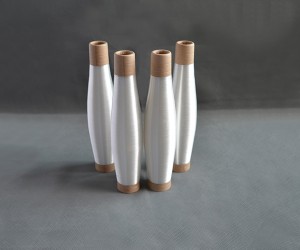
Applications of Q Glass Fiber Yarn
Q glass fiber yarn is used across numerous industries where lightweight strength and durability are essential.
In the construction sector, the material is commonly used in reinforced panels, insulation systems, wall coverings, roofing materials, and structural composites. Its lightweight properties help reduce building loads while maintaining structural reliability.
In transportation manufacturing, Q glass fiber yarn is widely used in automotive interiors, body panels, insulation materials, and lightweight structural parts. Reduced weight contributes to greater energy efficiency and improved performance.
The aerospace industry also benefits from advanced glass fiber reinforcement materials. Q glass fiber yarn helps manufacturers produce lightweight composite structures with high strength-to-weight ratios.
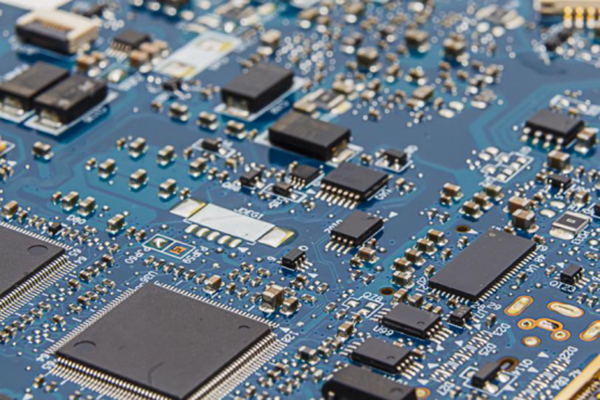
In electronics and electrical engineering, the material is frequently used in insulation fabrics, printed circuit board substrates, cable reinforcement, and electrical protection systems.
Industrial filtration systems also utilize Q glass fiber yarn because of its heat resistance and dimensional stability under demanding operating conditions.
Marine applications benefit from the corrosion resistance of fiberglass materials. Lightweight reinforced composite structures are commonly used in boats, panels, and protective systems exposed to moisture-rich environments.
Manufacturing Process of Q Glass Fiber Yarn
The production of Q glass fiber yarn involves advanced manufacturing techniques designed to ensure consistent quality and performance.
The process begins with melting carefully selected raw materials at high temperatures. The molten glass is then extruded through precision nozzles to form extremely fine continuous filaments.
These filaments are cooled, coated with protective sizing agents, and gathered into strands. The strands are then twisted into yarns with specific mechanical and processing characteristics.
Manufacturers carefully control filament diameter, yarn twist, tensile strength, and moisture content throughout production to maintain product consistency.
Modern production facilities also implement strict quality control procedures to ensure that the yarn meets industrial performance standards.
Why Lightweight Engineering Materials Are Increasingly Important
Lightweight engineering materials have become a major focus across modern industries because they offer multiple performance and sustainability benefits.
Reducing material weight can improve energy efficiency, reduce transportation costs, and lower environmental impact. In industries such as automotive and aerospace, even small reductions in component weight can lead to significant operational improvements.
At the same time, manufacturers must maintain high structural performance and long-term durability. Q glass fiber yarn helps achieve this balance by providing lightweight reinforcement without compromising strength.
The demand for sustainable manufacturing solutions is also encouraging the adoption of advanced composite materials that improve efficiency and reduce resource consumption.
As engineering technologies continue evolving, lightweight reinforcement materials will remain essential to product innovation and industrial development.
Factors to Consider When Choosing Q Glass Fiber Yarn
Selecting the right Q glass fiber yarn depends on the intended application and manufacturing requirements.
Engineers should evaluate tensile strength, yarn thickness, thermal resistance, compatibility with resin systems, and environmental exposure conditions.
Processing characteristics are also important. Different yarn structures may be optimized for weaving, laminating, pultrusion, or filament winding applications.
Manufacturers should also consider dimensional consistency and quality assurance standards to ensure reliable long-term performance.
Working with experienced suppliers can help improve material selection and production efficiency.
Future Trends in Glass Fiber Reinforcement Materials
The future of lightweight engineering materials continues to drive innovation in fiberglass technology.
Manufacturers are developing advanced glass fiber formulations with improved strength, thermal resistance, and processing efficiency. Research into sustainable production methods is also expanding as industries prioritize environmentally responsible manufacturing.
Automation and precision manufacturing technologies are helping improve product consistency and reduce production waste.
The integration of lightweight composites into smart manufacturing systems, electric vehicles, renewable energy technologies, and advanced infrastructure projects is expected to further increase demand for high-performance reinforcement materials.
Q glass fiber yarn will likely continue playing a central role in the development of next-generation engineering solutions.
Q glass fiber yarn has become an essential reinforcement material for lightweight engineering applications across construction, transportation, aerospace, electronics, and industrial manufacturing.
Its combination of lightweight performance, mechanical strength, thermal resistance, dimensional stability, and corrosion resistance makes it highly suitable for modern composite systems.
As industries continue focusing on energy efficiency, sustainability, and advanced engineering performance, the importance of high-quality reinforcement materials will continue to grow.
Q glass fiber yarn provides manufacturers with a reliable solution for producing durable, lightweight, and high-performance engineering materials that meet the evolving demands of modern industry.
May-25-2026